


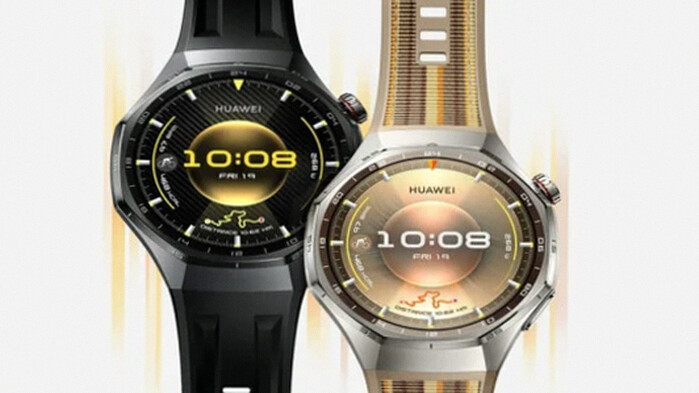
Huawei has set a new benchmark in smartwatch battery technology with the release of the Watch GT 6 Pro. This advanced device offers an outstanding battery life of up to 14 days on a single charge, significantly outperforming flagship models from dominant competitors like Apple and Samsung. Users now have access to a premium wearable that minimizes the frequent need for recharging, a key pain point in the smartwatch market.
The impressive battery endurance of the Huawei Watch GT 6 Pro stems from a strategic blend of hardware and software innovation. Central to this achievement is the device’s substantial 867 mAh battery, a sizable capacity within the compact form factor of a wearable. Huawei further optimized power consumption by implementing a dual-chipset architecture, which intelligently manages energy use without compromising core functionalities.
Breakdown of Battery Performance Advantages
- Battery Capacity: The 867 mAh cell far exceeds the typical battery sizes found in other premium smartwatches.
- Chipset Efficiency: The dual chipset design balances performance demands and preserves battery life through smart power regulation.
- Optimized Software: Huawei’s firmware prioritizes energy savings, extending operational duration to nearly two weeks with regular use.
Comparing this to its key rivals, the differences become stark. The Samsung Galaxy Watch Ultra, despite its advanced features, can only maintain approximately three days of battery life under moderate use. Apple’s Watch Ultra 3 performs even less, lasting under two days before requiring recharge. Huawei’s model effectively quadruples or more the battery life of these competing offerings, making it a game-changer for users prioritizing longevity.
Strategic Trade-offs for Long Battery Life
Huawei’s remarkable battery performance does entail some compromises. The Watch GT 6 Pro offers fewer third-party app integrations than Apple or Samsung’s smartwatches. Its ecosystem does not extend as deeply into connected services and apps, and native voice assistant capabilities remain limited. These trade-offs reflect Huawei’s focus on energy efficiency as a top priority over an extensive feature set.
For consumers who value uninterrupted wearable usage over an expansive application ecosystem, the Watch GT 6 Pro presents an ideal balance. It fulfills the growing demand for devices that offer convenience and reliability without daily charging routines.
Market Impact and Cross-Platform Compatibility
Huawei’s success with the Watch GT 6 Pro reinforces its stronghold in the global smartwatch market. The company holds an estimated 18% to 21% share worldwide, outperforming its position in the smartphone sector, where market share lingers between 4% and 5%. One reason behind this strong performance is Huawei’s universal device compatibility. The Watch GT 6 Pro operates smoothly with both Android and iOS systems, expanding its appeal beyond Huawei smartphone owners.
Remarkably, over 30% of Huawei Watch users pair their devices with iPhones or non-Huawei Android phones, demonstrating the brand’s ability to capture diverse customer segments globally. This flexible approach strengthens Huawei’s competitive edge by reducing barriers for new users.
Future Outlook and Consumer Appeal
The Huawei Watch GT 6 Pro’s ability to provide about 14 days of battery life without recharging establishes a new standard in smartwatch endurance. It positions Huawei favorably as the preferred choice for consumers who emphasize long-lasting wearable devices. While it does not boast the extensive app ecosystems of Apple or Samsung products, the GT 6 Pro’s battery longevity and broad platform support remain its most compelling advantages.
These factors collectively indicate that Huawei’s dedication to battery innovation has effectively differentiated the Watch GT 6 Pro in a highly competitive market. The device exemplifies how intelligent design and focused trade-offs can deliver superior user experiences that meet evolving consumer expectations in wearable technology.