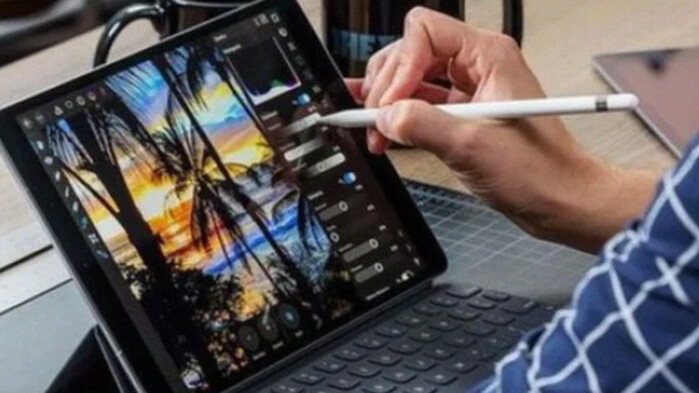
In 2026, online learning and writing theses demand devices that offer more than just basic smartphone capabilities. Tablets with larger displays and robust performance enable students to handle video conferences, manage lengthy PDF readings, and multitask efficiently, improving overall productivity.
Budget-friendly productivity tablets now pack premium features such as Samsung Dex desktop mode and stylus support. Students can access these capabilities without spending over $1300, making tablets an affordable alternative to expensive laptops.
1. Samsung Galaxy Tab A11 Plus
This tablet features an 11-inch WUXGA display with a resolution of 1920×1200 pixels. Its 90Hz refresh rate ensures smooth scrolling and quick app switching, enhancing user experience during multitasking activities like referencing online materials or attending virtual classes.
Powered by a MediaTek Dimensity 7300 chipset built on a 4nm process, it scores around 800,000 points on AnTuTu. Samsung Dex support allows users to transform the tablet interface into a desktop-like environment, perfect for writing assignments or managing multiple windows.
The Tab A11 Plus comes with a 7,400mAh battery and supports 25W fast charging. Samsung guarantees software updates up to seven years, starting from Android 16 with One UI 8, ensuring longevity and security for students on a budget.
2. Infinix XPad 20 Pro
Offering a polished metal unibody design just 6.58mm thick, the Infinix XPad 20 Pro boasts a 12-inch 2K display with a 90Hz refresh rate, ideal for split-screen multitasking and reading detailed digital textbooks.
Its Helio G100 Ultimate chipset is paired with 8GB RAM and 256GB of UFS 2.2 storage, delivering smooth performance for running multiple apps simultaneously. With an 8,000mAh battery, this tablet supports all-day productivity without frequent recharging.
Additionally, TÜV Rheinland certification for low blue light helps reduce eye strain during extended hours of study and assignment work.
3. Motorola Moto Pad 60 Neo
Designed for daily tasks, the Moto Pad 60 Neo has an 11-inch 2.5K resolution screen with a 90Hz refresh rate. This combination produces sharp visuals and fluid navigation, making it easier to work through dense documents or participate in online lectures.
Equipped with a power-efficient Dimensity 6300 chipset and 4GB RAM, it’s tailored for light office work such as emailing and browsing, though not recommended for heavy multitasking. Its metal body is IP52 certified for splash resistance, complemented by a robust 7,400mAh battery for long-lasting use.
4. Redmi Pad 2
Boasting a premium metal unibody, the Redmi Pad 2 combines elegance with functionality. The 2.5K resolution display supports a 90Hz refresh rate for crisp text and smooth scrolling, crucial for reading small-font documents online.
Powered by a MediaTek Helio G100 Ultra 6nm chipset with 4GB RAM and 128GB UFS 2.2 storage, it balances efficiency and speed. Four Dolby Atmos speakers enhance online meetings by providing clear audio, essential for following discussions during virtual classes.
The tablet’s battery capacity is 9,000mAh, but it charges at 18W, requiring over three hours for a full charge. Cameras include an 8MP rear and 5MP front sensor, sufficient for scanning documents and video calls.
Choosing the Right Tablet for Students
These four tablets offer budget-conscious students advanced features suited to online education and thesis writing in 2026. When deciding, consider whether 4G connectivity, extended OS updates, or bundled stylus support align best with your academic needs and long-term device investment.
Each option delivers a balance of performance, battery life, and display quality, maximizing productivity without exceeding approximately $133 (2 million Indonesian Rupiah). Selecting the right tablet depends on personal prioritization of portability, processing power, or multimedia capabilities essential for modern learning environments.