


Apple is reportedly preparing to enter the foldable smartphone market with its iPhone Fold. Recent leaks reveal that the company is focusing on a major innovation in the device’s hinge design. This new approach aims to overcome longstanding issues with screen durability and mechanical stress at the fold.
A key highlight comes from a trusted source, @yeux1122, who disclosed via the Korean platform Naver that Apple will use liquid metal for the iPhone Fold’s hinge construction. This material is expected to enhance mechanical strength and reduce pressure on the critical folding point of the screen. Foldable phones have traditionally struggled with visible creases and fragile hinges, making this development potentially transformative.
Apple has reportedly been experimenting with liquid metal technology for more than 15 years. Despite this extensive research, the company has not utilized it extensively in previous iPhone models. The iPhone Fold would mark the first major product to leverage this advanced material, signaling a breakthrough in Apple’s hardware innovation.
Combining Liquid Metal with New-Generation Titanium
Alongside the hinge, the device’s chassis is said to incorporate a new variant of titanium. This upgraded titanium is a refinement of the metal used on the iPhone 15 Pro series. Apple has modified the alloy composition and manufacturing methods to produce a material that is both stronger and lighter. This helps reduce the overall device weight and improves long-term durability.
Such choices reflect Apple’s design philosophy that balances strength, sleek aesthetics, and user comfort. The integration of liquid metal hinges with a titanium frame aims to deliver a foldable device that feels premium and robust without compromising portability.
Exclusive Supplier and Supply Chain Details
The leak also identified Dongguan Yi’an Technology as the exclusive supplier of this liquid metal material to Apple. This company will provide the critical components for the iPhone Fold’s hinge, playing a central role in the production of Apple’s first foldable phone. Securing a specialized supplier indicates Apple’s intent to maintain strict quality control over this novel part.
Reduced Screen Crease for Better Aesthetic and Comfort
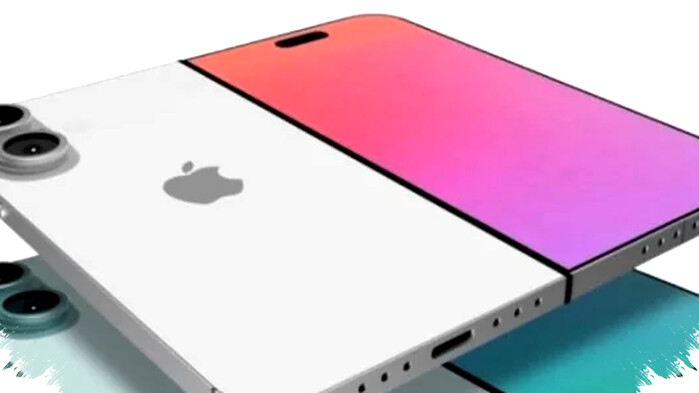
One of the major user complaints about foldable phones is the visible crease at the fold line. The iPhone Fold is rumored to feature a nearly invisible hinge crease, based on circulating CAD renders. The device’s display surface appears much flatter with a barely noticeable fold line compared to existing foldables.
Should this design succeed, it would set new standards in the foldable smartphone market and address a key pain point for consumers. Apple seems to focus on delivering a comfortable, visually appealing screen experience.
Leaked Specs: A20 Pro Chipset and Touch ID
Performance-wise, the iPhone Fold is expected to include the new A20 Pro chip built on a 2nm fabrication process by Apple. This would provide significant improvements in speed and power efficiency. The device is also said to use Apple’s in-house C2 modem for enhanced connectivity.
Camera setup reportedly consists of dual rear cameras and dual front-facing cameras for selfies. For biometric security, Apple plans to incorporate Touch ID embedded in the power button instead of Face ID, which is a notable deviation from its recent trends.
A New Chapter for Apple’s Innovation
If these leaks are accurate, Apple is not merely following existing foldable trends but aims to redefine the segment through unique materials and engineering. The iPhone Fold may well be one of the company’s most significant product launches in years, combining years of material research with groundbreaking design.
This forthcoming device highlights Apple’s ambition to lead in foldable technology by solving mechanical challenges and elevating user experience with durable, lightweight construction and sophisticated features.