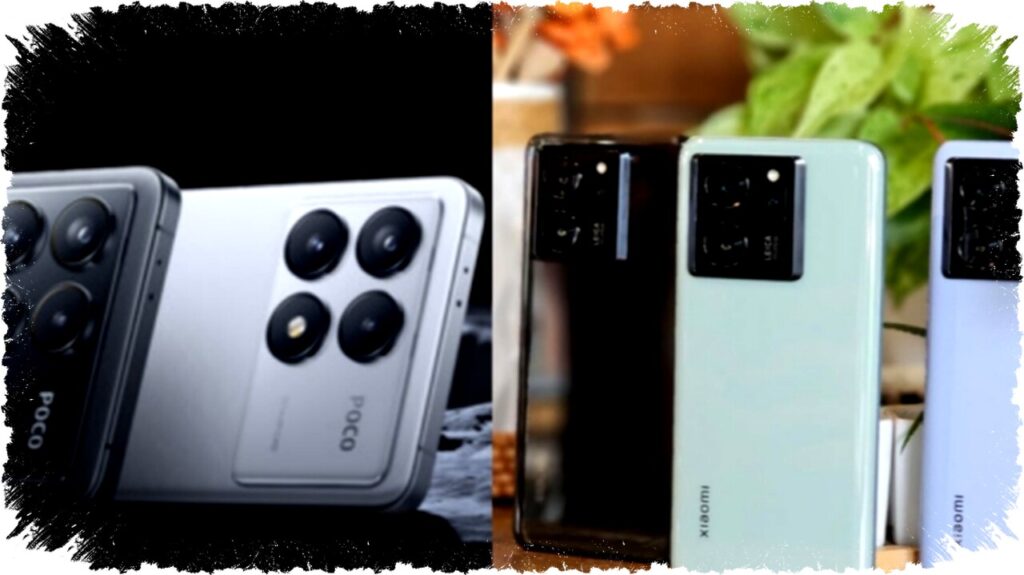
Poco F6 Pro and Xiaomi 13T remain popular choices among smartphone users in 2026. Despite coming from the same ecosystem, each device targets different user needs, keeping their comparison relevant. Poco F6 Pro focuses on delivering high performance, while Xiaomi 13T offers a balanced mix of features and efficiency.
From a performance standpoint, Poco F6 Pro is equipped with a flagship-level chipset. This enables it to handle demanding tasks such as gaming and heavy multitasking with ease. Users seeking powerful hardware for long-term use often prefer Poco F6 Pro because of its superior speed and responsiveness. On the other hand, Xiaomi 13T does not match Poco on raw power but provides consistent and reliable performance suitable for everyday activities. This distinction matters more in 2026 as software and app demands increase.
Display and Visual Experience
Both Poco F6 Pro and Xiaomi 13T come with high-quality screens that support high refresh rates. Poco F6 Pro excels in responsiveness, making it a strong candidate for gaming enthusiasts and active users who require smooth interactions. Meanwhile, Xiaomi 13T is praised for color accuracy and visual comfort, ideal for users who consume multimedia content. The screen experience depends largely on individual preferences and usage habits, with Poco prioritizing speed and Xiaomi focusing on visual fidelity.
Camera Capabilities
Photography lovers tend to favor Xiaomi 13T due to its natural color rendering and consistent image processing. The phone adapts well to various lighting conditions, making it versatile for mobile photography. Poco F6 Pro remains competitive but leans more toward practicality than artistic effects. In 2026, Xiaomi’s camera system is considered more flexible for users who value photo quality and color precision.
Battery Life and Power Efficiency
Battery performance is a significant factor for many buyers. Xiaomi 13T benefits from excellent system optimization, delivering better power efficiency throughout the day. In contrast, Poco F6 Pro features a larger battery with fast charging support but consumes more power when pushed to maximum performance. This often means Xiaomi 13T is preferred by users who prioritize battery longevity over peak performance bursts.
Design and Aesthetic Appeal
Design-wise, Poco F6 Pro adopts a sporty and bold appearance. It appeals to users who favor a robust and dynamic look. Xiaomi 13T presents an elegant and minimalist style, conveying a premium feel that attracts those who appreciate refined aesthetics. Design preference is subjective, but Xiaomi’s approach tends to cater to a broader audience seeking subtle sophistication.
Software Updates and Long-Term Support
Both models continue to receive adequate software updates in 2026. Xiaomi 13T is known for better update stability and optimized new features. Poco F6 Pro focuses updates on improving core performance aspects. These differences impact the user experience over time, with Xiaomi appealing to those who want consistent enhancements and Poco targeting users interested in sustained peak performance.
Price and Value Considerations
Generally, Poco F6 Pro offers high specifications at a more affordable price point, approximately around $450. Xiaomi 13T commands a slightly higher price, near $550, justified by its superior camera features and power efficiency. Cost-conscious consumers may find Poco to be a better value for pure performance, while those valuing balanced features might lean towards Xiaomi.
Summary of Key Differences
| Feature | Poco F6 Pro | Xiaomi 13T |
|---|---|---|
| Performance | Flagship chipset, high power | Stable, efficient daily use |
| Display | High refresh rate, responsive | Accurate colors, comfortable |
| Camera | Practical, less artistic | Natural tones, versatile |
| Battery | Large capacity, fast charging | Power-efficient, longer usage |
| Design | Sporty, bold | Elegant, premium feel |
| Software Updates | Performance focused | Stable, feature optimized |
| Price Approximate | $450 | $550 |
Both Poco F6 Pro and Xiaomi 13T hold their ground in 2026’s mobile landscape. Choosing between them depends on personal priorities—either maximum performance or balanced, efficient usability. Consumers should assess their daily demands and preferences before making a purchase.