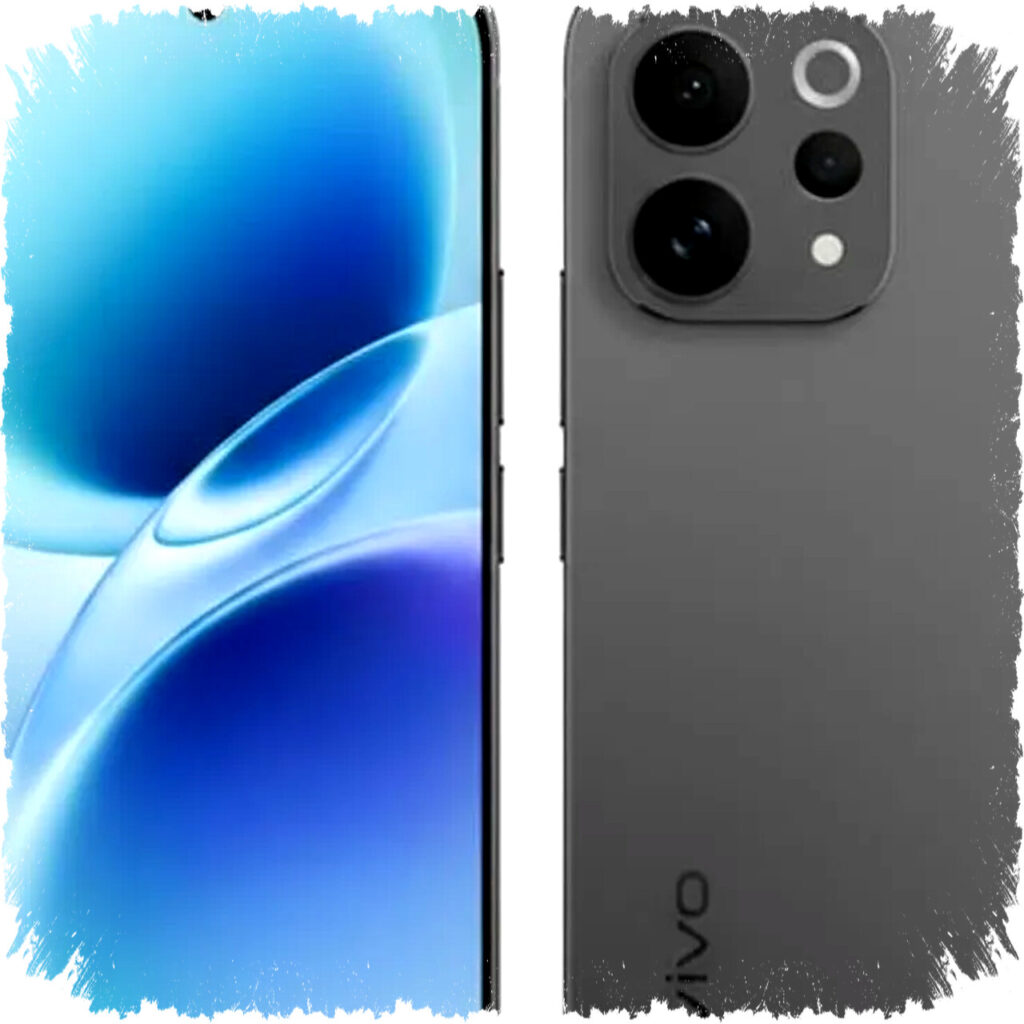
Vivo’s upcoming V70 FE model has recently appeared in certification and benchmark listings, revealing key specifications such as its chipset, RAM capacity, and battery size. This confirms the device’s focus on providing a balance between performance and long-lasting battery life for the mid-range market soon to be addressed globally.
The device carries a sizable battery rated at approximately 6,870 mAh, commonly rounded up to 7,000 mAh in typical usage terms. This battery capacity is designed for durability, retaining up to 80% of its original capacity after around 1,600 charge cycles. Additionally, the V70 FE supports 55W fast wired charging, which is a competitive feature enhancing its appeal for users prioritizing quick battery replenishment.
Chipset and Performance
Benchmark results from Geekbench reveal that the V70 FE runs on the MediaTek Dimensity 7300 chipset built on a modern 4nm process technology. The octa-core CPU can clock speeds up to 2.5 GHz and is paired with Mali-G615 MC2 GPU, which is suitable for daily multimedia and gaming applications. The model tested came with 8GB of RAM and runs Android 16 out of the box, likely customized with Vivo’s latest user interface such as Funtouch OS or OriginOS.
The use of the Dimensity 7300 chipset places the V70 FE firmly in the mid-range category, focusing on energy efficiency and balanced computing power. This makes it a practical choice for users who want competent performance without the price tag of flagship devices.
Battery and Durability
Battery capacity and longevity are standout features of the V70 FE. Certifications show the device complies with IP68 standards for water and dust resistance. This adds a layer of durability that is particularly attractive to active users or those working in environments where their smartphone faces potential exposure to the elements.
The combination of a large battery, fast charging support, and robust build makes the V70 FE highly relevant for consumers who demand extended usage times and reliability.
Key Specifications at a Glance
- Chipset: MediaTek Dimensity 7300 (4 nm)
- CPU: Octa-core, up to 2.50 GHz
- GPU: Mali-G615 MC2
- RAM: 8GB (potentially with other variants)
- OS: Android 16 with Vivo’s UI
- Battery: 7,000 mAh (typical), 55W fast charging support
- IP Rating: IP68 for dust and water resistance
Market Positioning and Launch Prospects
The Vivo V70 FE is expected to become available in several markets, including Indonesia, based on its registration in local certification platforms. This launch aligns with Vivo’s strategy to deliver region-customized models that cater to diverse consumer preferences. The “FE” label suggests a "Fan Edition" that balances affordability with critical features such as efficient performance and strong battery life.
Compared to other V70 variants like the standard or Elite versions, which may include Qualcomm chipsets and enhanced camera systems, the FE model aims to attract users who value battery longevity and cost-effectiveness.
Consumer Trends and Industry Context
Smartphone buyers in the mid-range segment increasingly prioritize battery capacity alongside smooth performance. Vivo’s emphasis on a large battery and fast charging in the V70 FE addresses this trend. With Android 16 onboard, users get access to the latest software improvements and enhanced system optimization.
As consumers spend more time on mobile devices, the demand for durable, efficient phones with longer battery life continues to grow. Vivo’s V70 FE taps into this need by offering a modern chipset with solid battery technology packaged in a resilient body certified against water and dust intrusion.
Ongoing leaks and certifications indicate the official announcement is approaching. Once released, the Vivo V70 FE is likely to be a competitive choice for users who do not want to compromise on battery performance while maintaining reasonable pricing.
Overall, the Vivo V70 FE represents a strategic entry in Vivo’s portfolio, addressing a clear niche for power-efficient, long-lasting daily smartphone usage without stepping into the premium pricing territory.