


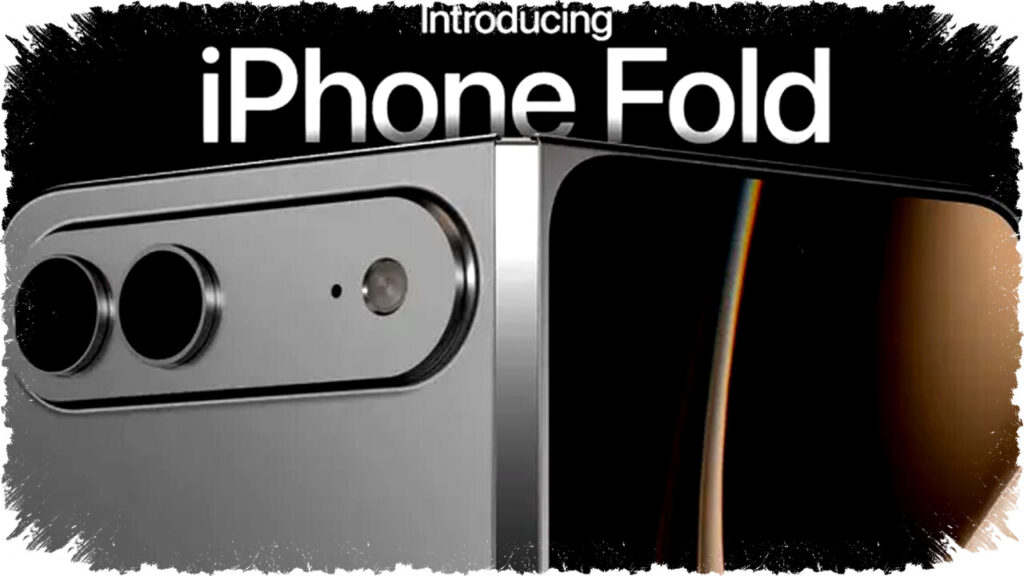
Apple is preparing to enter the foldable smartphone market with its anticipated iPhone Fold, scheduled for launch in September 2026 alongside the iPhone 18 series. This device introduces a new design paradigm, promising high durability and productivity benefits in a sleek, book-style fold.
The iPhone Fold aims to deliver a cleaner screen experience by replacing Face ID with Touch ID integrated into the power button. This change removes the usual screen distractions, such as the notch or island, creating a more immersive display.
Key Specifications of the iPhone Fold
According to industry analyst Jeff Pu and supply chain sources, the iPhone Fold features a 7.8-inch flexible OLED main display that uses innovative “crease-free” technology. This ensures the internal screen remains smooth and nearly flat, emulating the feel of an iPad mini. Additionally, the foldable phone sports a 5.3 to 5.5-inch external LTPO adaptive refresh rate display for convenience when closed.
The construction adopts aerospace-grade titanium combined with aluminum, providing a lightweight yet sturdy frame. The hinge utilizes liquid metal for enhanced flexibility and durability, a significant technical advancement that enables near seamless folding.
Under the hood, the device runs on the Apple A20 Pro chipset made with TSMC’s 2-nanometer fabrication process. This next-gen processor is paired with 12GB of LPDDR5X RAM, tailored to support complex Apple Intelligence (AI) features, such as real-time 8K video editing and simultaneous multitasking of multiple heavy apps.
Optics include dual rear cameras both featuring 48-megapixel sensors for wide and ultrawide shots. The front-facing camera is an 18-megapixel under-display unit positioned under the main screen, keeping the display visually uninterrupted when unfolded.
Breakthrough in Foldable Screen Technology
One of the biggest challenges in foldable phones has been the visible crease along the fold. Apple attempts to overcome this with a combination of liquid metal hinges and specialized pressure distribution plates. The result is a main display that acts as a nearly perfect flat canvas, ideal for cinematic viewing and intensive productivity tasks.
The 7.8-inch inner screen promises excellent contrast and a cinematic aspect ratio, catering to users who demand high-quality media consumption on-the-go.
Price Point and Availability
Considering the advanced materials and pioneering technologies involved, the iPhone Fold is expected to enter the market with a premium price tag between $1,999 and $2,400, depending on configurations and regions. This price positions the device above Apple’s current top-tier iPhone 18 Pro Max models, reflecting its niche as an ultra-premium foldable.
In Indonesia, for instance, local pricing after taxes and distribution is estimated to start from approximately Rp35 million (around $2,000). Apple plans a limited initial production volume of 3 to 5 million units globally, focusing on delivering a quality "masterpiece" experience before scaling up.
Why the iPhone Fold Matters
Apple’s entry into foldable smartphones signals a strategic move to redefine mobile productivity and multimedia interaction. By combining cutting-edge foldable screen technology, next-level chipset performance, and innovative biometric solutions, the iPhone Fold aims to offer both prestige and practical value in a highly competitive segment.
Consumers looking for a device that fuses future-forward design with robust hardware specs will find the iPhone Fold an exciting prospect in 2026. The blend of patented materials and refined technology promises an iconic addition to Apple’s product lineup and the broader foldable market.