


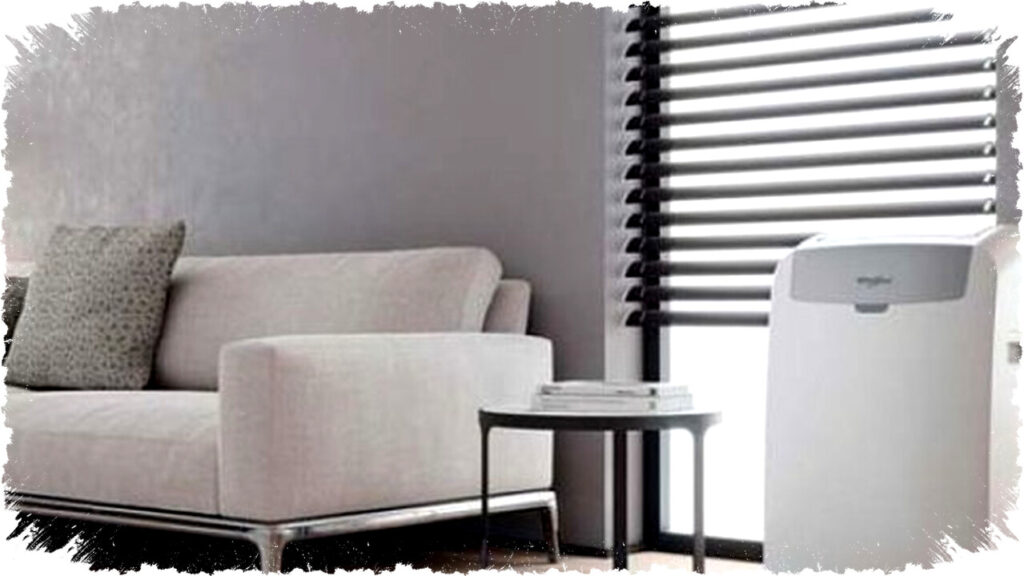
Choosing the right portable air conditioner (AC) in Indonesia requires more than just picking the most affordable or visually appealing model. Portable ACs offer a flexible cooling solution without permanent installation, but selecting an inappropriate unit can lead to inefficiency and increased electricity costs. To make an informed purchase, consumers must carefully evaluate several technical and practical factors.
First, understanding the cooling capacity measured in BTU (British Thermal Units) is essential. BTU rating reflects the cooling power of the unit. Selecting a unit with insufficient BTU will fail to cool the room effectively, while an oversized AC causes the compressor to cycle on and off frequently, reducing energy efficiency. Experts recommend matching BTU to room size for optimal performance.
1. Cooling Capacity (BTU)
Calculate your room size in square meters before buying. A rough guide suggests around 20 BTU per square foot (roughly 215 BTU per square meter). For example, a 15-square-meter room typically requires a 3,000–3,500 BTU portable AC.
2. Room Size and Layout Compatibility
Accurate room measurements are crucial. Also, verify whether the room’s layout and window type accommodate the unit’s exhaust hose and window installation kit. Portable ACs need to expel hot air outside efficiently, usually through a window vent.
3. Energy Efficiency (EER/SEER Ratings)
Energy efficiency ratios (EER) or seasonal energy efficiency ratios (SEER) indicate how much cooling is provided per unit of electricity consumed. Units with higher EER/SEER scores save on electricity bills and reduce environmental impact. Look for ENERGY STAR certifications or equivalent energy labels if available.
4. Ventilation System and Installation Compatibility
Not all Indonesian homes have window types compatible with standard AC portable window kits. Confirm that the exhaust hose length suits your window. Consider accessories or extension kits if necessary.
5. Noise Level Considerations
Noise generated by the unit is an important comfort factor, especially in bedrooms or home offices. Quiet models typically operate below 50 dB and help maintain a peaceful environment in urban settings.
6. Additional Features to Enhance Comfort
Modern portable ACs often include timers, sleep modes, remote/app control, dehumidifiers, and air filters. These features improve usability and indoor air quality, further justifying the investment.
7. Portability and Physical Design
The main advantage of portable ACs lies in flexibility. Check the unit’s weight, presence of caster wheels, and handle design to ensure easy moving between rooms.
8. Electrical Power Requirements
Some high-capacity portable ACs demand higher electrical load or special outlets. Verify household electrical capacity to avoid operational issues or the need for additional electrical work.
9. Price and Long-Term Value
Prices vary widely, from budget models to premium units loaded with features. Comparing unit specifications with available budgets ensures the best value. User reviews and after-sales service records in Indonesia provide valuable insights into real-world performance and reliability.
Experts note that despite their convenience, portable ACs depend heavily on factors like room insulation, direct sunlight, and ventilation quality. Under certain conditions, fixed AC units such as window or split types may outperform portable models in cooling efficiency.
Consumers in Indonesia should prioritize matching the portable AC’s technical specs to specific room conditions. Doing so increases satisfaction and prevents power wastage, ensuring the unit effectively cools your space without unnecessary expense.
By carefully auditing these nine aspects, your investment in a portable AC will offer reliable relief from tropical heat, complementing Indonesia’s evolving household lifestyles and energy needs.