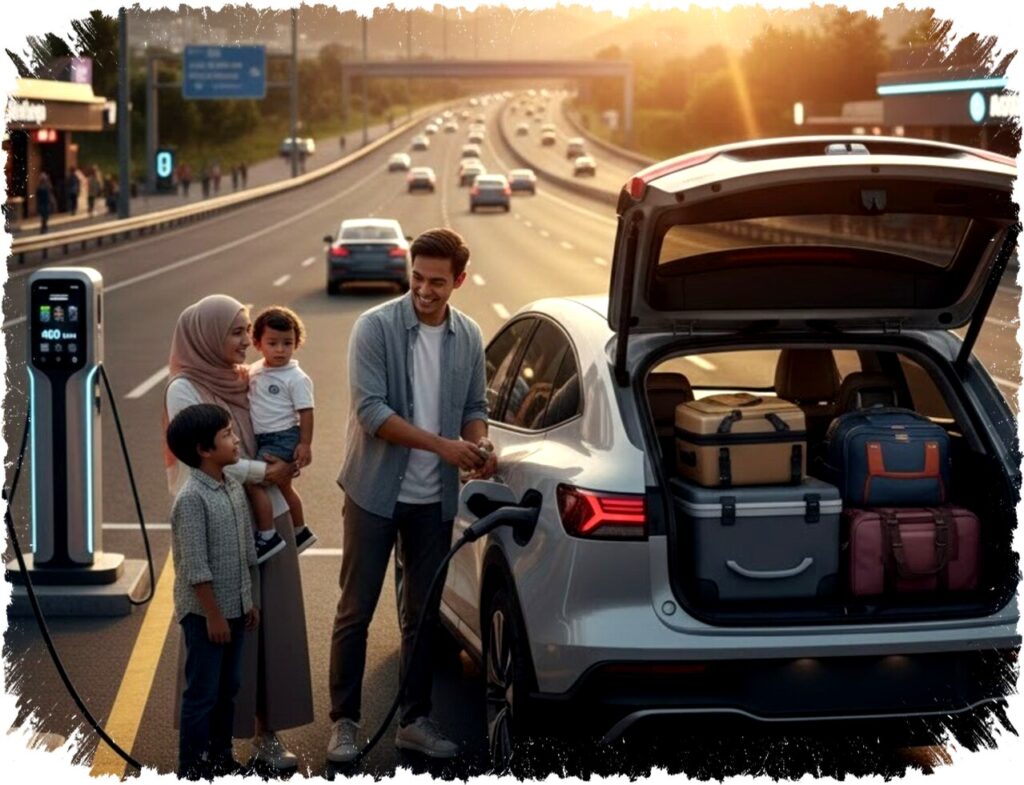
Electric vehicles (EVs) are increasingly considered a viable option for the upcoming 2026 Lebaran homecoming travel in Indonesia. The surge in vehicle movement during this festive season demands cars that can withstand long distances and traffic unpredictability. EVs with suitable specifications are emerging as practical choices for these journeys.
A fundamental criterion for electric cars suitable for Lebaran mudik is a realistic driving range. Industry reports recommend a minimum range of 400 kilometers under normal usage to ensure safety and convenience. This distance covers potential traffic jams and waiting times at charging stations, which are common during peak travel days.
Essential Specifications for Electric Vehicles in Mudik
Several factors contribute to an EV’s readiness for long-distance travel:
Battery Capacity and Energy Efficiency
The vehicle must have a battery that supports at least a 400 km driving range. Apart from capacity, energy management systems that adapt power consumption to road conditions and driving style are crucial for maintaining battery life and reaching the next charge point reliably.Fast Charging Capability
Most public charging stations along main mudik routes now support fast charging technology. Cars capable of charging up to 80% battery in under one hour significantly reduce downtime during the trip and allow more flexible travel planning.Safety Features
Active safety technologies such as automatic emergency braking, electronic stability control, lane-keeping assistance, and adaptive cruise control are vital. These systems reduce accident risks, especially in congested toll road conditions typical during Lebaran.Cabin Comfort and Ergonomics
Since mudik trips often last several hours, vehicles should offer ergonomic seating, spacious legroom, and effective suspension to minimize driver fatigue. Quiet cabins with minimal vibration also help maintain driver focus and comfort.Battery Cooling System
EVs equipped with liquid-based battery cooling systems perform better on long trips or in stop-and-go traffic. This technology stabilizes battery temperature, enhancing safety, maintaining performance, and extending battery life.- After-Sales Support and Network
According to the Indonesian Automotive Industry Association, manufacturers with extensive service centers and roadside assistance in strategic locations provide greater assurance to electric vehicle users during mudik. This support mitigates risks related to unexpected technical issues on long journeys.
The Indonesian government backs this growing infrastructure by integrating public charging station data with digital navigation apps. This allows drivers to plan routes efficiently, ensuring access to timely charging points.
Guidance for Choosing the Right Electric Car for Mudik 2026
Not all EVs are fit for the demands of Lebaran travel. Cars with limited range, lacking fast charging, or with minimal safety features are better suited for urban mobility rather than long trips. Experts warn that choosing an electric car for mudik must be based on practical usability and safety, rather than trends or pricing alone.
Industry analysts view the 2026 mudik season as a market maturation phase where functional and safe EVs will earn consumer trust. This shift marks an important evolution in the adoption of electric mobility in Indonesia.
Traveling home during Lebaran can be smooth and efficient with the right electric car. Prioritizing range, charging speed, safety, and comfort are key. Ultimately, a carefully selected electric vehicle can offer a secure and pleasant mudik experience, surpassing mere technological appeal.