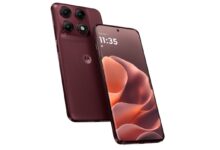
The rise of mobile technology has reshaped how students engage in academic activities, especially in fields like information technology and data science. Tablets with SIM card slots have become increasingly popular among university students who need reliable internet access beyond WiFi zones. These devices offer fast, affordable, and independent internet connectivity, supporting various tasks such as coding, data analysis, and remote development.
Advantages of Tablets with SIM Card for Students
Tablets equipped with cellular connectivity eliminate the dependency on tethering or public WiFi. Students can access research databases, cloud servers, and learning platforms anywhere at any time. According to recent reports, modern tablets come with mid-range to flagship processors, ample RAM, and large screens that facilitate multitasking and increase productivity.
For instance, the Lenovo Tab P12 Pro features a Snapdragon 870 processor, up to 8 GB of RAM, and a 12.6-inch AMOLED display. This setup provides a comfortable environment for coding and browsing academic journals. Similarly, the Samsung Galaxy Tab S11 offers a MediaTek Dimensity 9400+ chip, up to 12 GB RAM, and 5G support, enabling intensive productivity tasks without lag. These specifications ensure smooth operation for cloud-based development and research work.
Ideal Tablet Specifications for Academic Use
Tech experts recommend that a productive tablet for students should have at least 8 GB RAM. This allows seamless switching between Integrated Development Environments (IDEs) and multiple browser tabs. Storage capacity of 128 GB or more is advised to store datasets and projects effectively. Tablets with mid- to high-tier processors like Snapdragon 7-series, Dimensity chips, or equivalent flagship Android processors are ideal.
Additional accessories enhance usability: external keyboards and styluses support efficient code writing and note-taking. Screen sizes of 11 inches or more are preferred to view source codes and scientific papers comfortably.
Budget-conscious students can consider tablets with Helio G99 or recent Unisoc chipsets. These models, though more affordable, still handle basic programming in Python, web development, and light data analysis adequately. Tablets priced in the range of approximately $70 to $210 offer good entry points for productivity without compromising essential features.
Not a Complete Laptop Replacement but a Powerful Supplement
Despite their growing capabilities, tablets are not yet full substitutes for laptops, especially for demanding tasks like compiling large projects or running machine learning algorithms locally. However, students who primarily work with cloud computing or web-based notebooks find tablets with SIM connectivity highly efficient and mobile.
Modern tablets support advanced features like split-screen multitasking, desktop modes, and seamless keyboard integration. This approximates the user experience of entry-level laptops, making tablets a convenient option for hybrid and remote learning environments.
Current Trends and Market Outlook in 2026
The adoption of tablets among students is accelerating, fueled by the rise of hybrid learning models and online education tools. Cloud IDE platforms such as GitHub Codespaces and comprehensive research portals like Google Scholar increase reliance on stable internet and portable devices.
At the start of 2026, budget tablets offer competitive specs that appeal to students. Features include 90 Hz refresh rate screens, 6 GB RAM, and the latest Android OS for better compatibility with educational apps. With prices starting from about $70 to around $210, these tablets provide cost-effective solutions for students seeking independent internet access and on-the-go productivity.
Key Factors When Choosing a Tablet with SIM Card:
- Processor: Snapdragon 7-series or better for smooth performance.
- RAM: Minimum 8 GB to support multitasking.
- Storage: At least 128 GB for datasets and projects.
- Display: Large screen (≥11 inches) for comfortable reading and coding.
- Connectivity: 4G/5G SIM support for reliable internet anywhere.
- Accessories: Support for external keyboards and stylus pens.
- Price Range: Budget options start from approximately $70 up to $210 for mid-range devices.
Choosing a tablet with a SIM card enables students to remain connected and productive regardless of location. It reduces dependence on WiFi and allows seamless access to resources and collaborative tools essential in modern academia. This combination of speed, affordability, and autonomy continues to make cellular-enabled tablets ideal companions for university students navigating flexible study environments.