


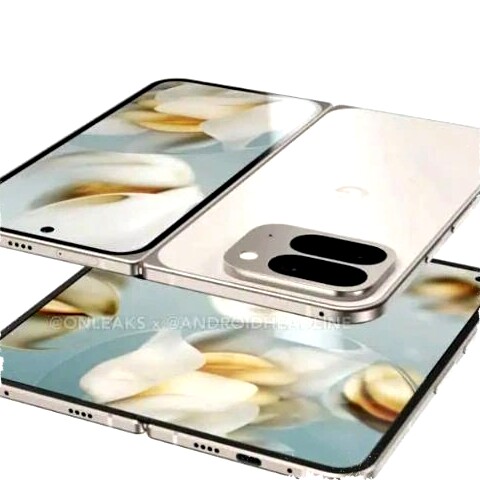
Google has firmly established its capability in the foldable smartphone market with the Pixel Fold series. The first generation Pixel Fold and its successor, the Pixel 9 Pro Fold, demonstrate Google’s mastery over design, software integration, and user experience for foldable devices. Despite this, the much-anticipated Pixel Flip, a clamshell-style foldable phone, remains absent from Google’s lineup even as the global market for flip foldables continues to expand rapidly.
Pixel Fold’s Technological Maturity
Google’s Pixel Fold showcases a deep understanding of how to blend pure Android OS, advanced multitasking features, and its renowned camera technology into a complex foldable form factor. Android Central highlights that, from a technical standpoint, Google is no longer experimenting but is now mature enough to widen its foldable portfolio. Features such as an adaptive taskbar and AI enhancements powered by Google’s Tensor chip set the Pixel Fold apart from competitors. This readiness extends to software optimization, crucial for foldable screens, and an effective use of computational photography, which suits the spatial constraints of flip devices.
Growing Popularity of Flip Foldables
The global foldable phone market has seen significant growth mostly driven by clamshell designs like Samsung’s Galaxy Z Flip, Motorola’s Razr, and Oppo’s Find N Flip. These devices appeal to consumers seeking compact, stylish phones that often cost less than the larger book-style foldables. Flip foldables also provide ease of portability and a trendy form factor, making them a preferred choice for lifestyle-oriented users. Market research consistently shows that flip models contribute a substantial share of foldable sales worldwide, due to their attractive price point and practical usage.
Implications of Pixel Flip’s Absence
Google’s absence in the clamshell foldable segment raises several questions, especially since the company’s experience with Pixel Fold and the strategic position as Android’s main platform holder gives it a competitive advantage in foldable software design. Android Central notes that Android’s dominance on foldable devices provides Google exceptional insight into managing flexible displays and app behavior transitions, positioning the tech giant well for a potential Pixel Flip launch.
However, industry analysts believe Google’s hesitation may stem from strategic concerns. Introducing a Pixel Flip risks overlapping with existing Pixel models, potentially cannibalizing sales of non-fold Pixel Pro devices. Google seems to prioritize refining the foldable book-style experience — focusing on hinge durability, screen aspect ratios, and third-party app optimization — before diversifying further.
Competitive Pressure and Market Strategy
The flip foldable market segment is fiercely contested, with Samsung and Motorola promoting these devices as more than technology gadgets — they are fashion statements appealing to a younger, style-conscious demographic. In several Asian markets, flip foldables serve as entry points into the foldable ecosystem, shaping consumer habits and loyalty. Without a Pixel Flip, Google could lose ground in positioning Pixel as a comprehensive foldable brand that covers all coveted form factors.
The lack of a Pixel Flip also means Google is currently missing an opportunity to influence the Android foldable ecosystem’s future in the clamshell segment, similar to how Pixel Fold has driven optimization standards for larger foldables.
Future Directions for Google’s Foldable Devices
Google has not announced concrete plans regarding the Pixel Flip. However, the company’s pattern of gradual market testing and incremental product portfolio expansion suggests timing and strategic market fit are critical factors. When Google launches a possible Pixel Flip, it is expected to integrate AI, advanced camera processing, and adaptive software innovations consistent with Pixel’s brand identity.
Meanwhile, the foldable market’s evolution will depend heavily on Google’s role as the steward of Android’s foldable OS capabilities. The company’s decisions about expanding foldable models will signal its broader hardware strategy in the next few years.
Key Points of Google’s Foldable Market Status
- Pixel Fold and Pixel 9 Pro Fold prove Google’s foldable tech readiness.
- Flip foldables dominate a growing share of the global foldable sales.
- Pixel Flip absence is a strategic choice, not a technical limitation.
- Google leads Android foldable software optimization.
- Competitors leverage flip foldables as lifestyle and fashion devices.
- Google prioritizes enhancing the foldable book experience first.
- Pixel Flip potential launch depends on market and portfolio strategy.
As Google continues to refine its foldable offerings, the smartphone market watches closely to see if and when a Pixel Flip will join its lineup. Such a move could redefine Android foldables and set new standards in the clamshell segment globally.