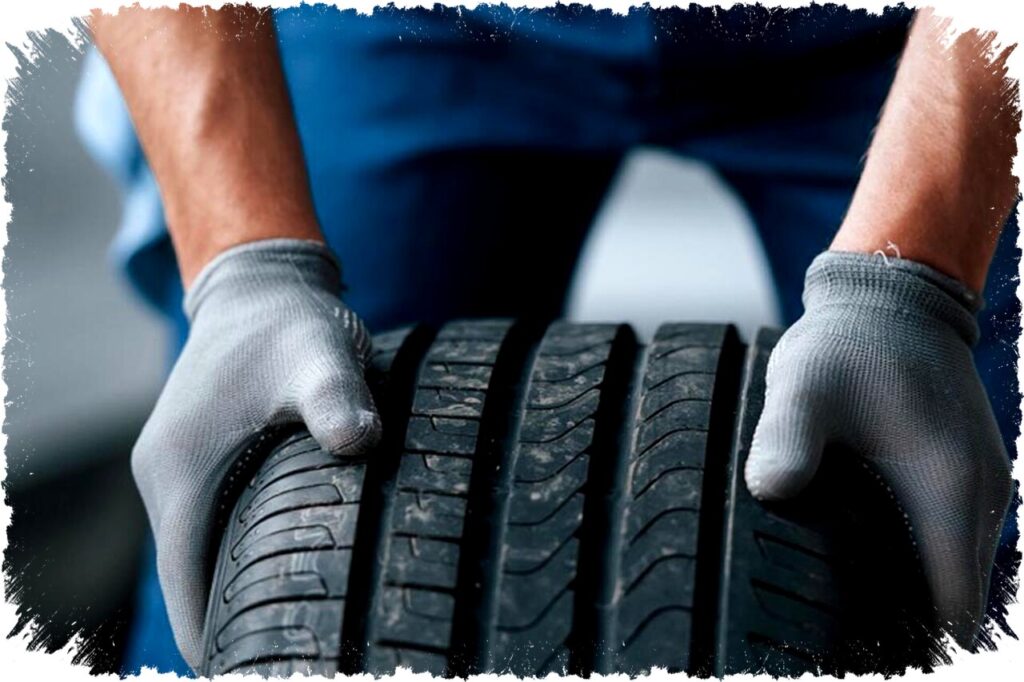
Proper tire maintenance is essential to ensure vehicle safety and driving comfort. Tires directly affect performance, so keeping them in good condition improves both longevity and road security. Fortunately, caring for your car’s tires does not always require a mechanic; many measures can be done at home during free time to extend tire lifespan and optimize driving experience.
Regular pressure checks are crucial for tire health. Tires underinflated or overinflated wear unevenly, reduce fuel efficiency, and increase the risk of blowouts. Conduct pressure inspections monthly and prior to long trips, adjusting inflation to the manufacturer’s recommended levels found on the vehicle door sticker or owner’s manual.
Rotating Tires to Promote Even Wear
Rotating tires ensures that all tires wear evenly throughout their lifespan. Front tires often wear faster than rear tires, especially on front-wheel-drive cars. Rotate tires every 8,000 to 10,000 kilometers according to the recommended pattern to balance tread wear and extend tire life.
Balancing Tires for Smooth Driving
Unbalanced tires cause vibrations that transmit through the steering wheel, potentially accelerating tire wear and damaging suspension components. Have your tires balanced whenever replacing them, or when you notice steering wheel vibrations, to maintain ride comfort and tire integrity.
Aligning Wheels to Prevent Uneven Wear
Proper wheel alignment ensures tires contact the road evenly and suspension components function correctly. Misalignment can cause rapid and uneven tire wear while reducing driving stability. Check and adjust wheel alignment periodically, especially after hitting curbs or potholes.
Inspecting Tread Depth for Safety
Adequate tread depth is vital for traction, especially on wet roads. Tires with worn or thin treads increase slipping risk and reduce braking effectiveness. Regularly examine tread conditions and replace tires when the tread approaches the legal minimum depth or shows signs of uneven wear.
Avoiding Excessive Loads
Carrying loads heavier than the vehicle’s rated capacity places excessive strain on tires. Overloading increases tire temperature and pressure, which can cause premature wear or blowouts. Adhere to load limits specified by the manufacturer to preserve tire performance and safety.
Driving Habits Affect Tire Longevity
Avoid aggressive driving behaviors such as sudden braking, rapid acceleration, or sharp cornering at high speeds. These actions accelerate tire wear and can increase the likelihood of accidents. Maintain smooth, gradual driving techniques and keep a safe following distance to enhance tire life.
Storing Spare Tires Properly
Proper storage of spare tires ensures they are ready when needed. Keep spares in dry, shaded locations away from direct sunlight to prevent premature aging and cracking of rubber. Regularly check the spare tire’s pressure and condition to avoid surprises during emergencies.
By implementing these eight key tips, drivers can significantly improve tire durability while maintaining optimal safety and comfort on the road. Tire care is a simple yet effective investment that supports vehicle performance and reduces unexpected maintenance costs. Consistent attention to tire condition aligns with safe driving practices and preserves the overall health of the vehicle.