


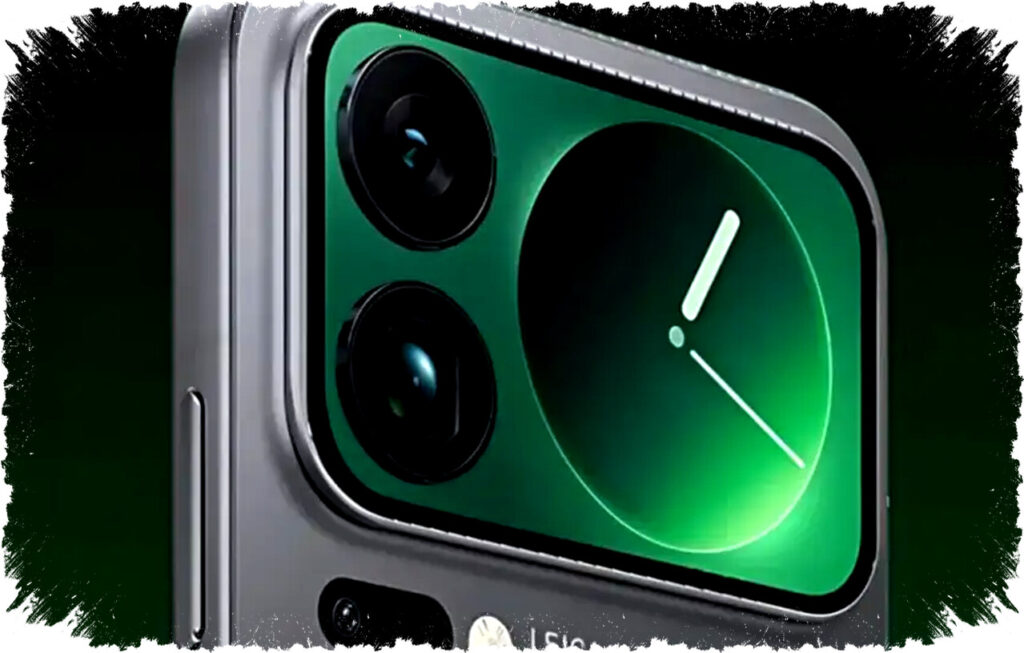
The focus of smartphone photography in 2026 is shifting away from AI-powered camera features back toward stronger camera hardware. Manufacturers are prioritizing advanced image sensors and optical lenses as key drivers for enhanced mobile photography quality.
Over recent years, software and AI-based computational photography dominated upgrades, relying on sophisticated algorithms to enhance images from less improved physical cameras. While effective in boosting photo quality, this approach has led to diminishing visible improvements across annual smartphone releases.
Hardware Comes Back Into the Spotlight
Now, industry leaders emphasize hardware improvements such as higher-resolution sensors and superior optical components. These physical enhancements provide tangible benefits like increased light capture, sharper detail, and better dynamic range. Samsung Electronics, for instance, unveiled its newest mobile sensors—the ISOCELL HP9, GNJ, and JN5—which deliver improved autofocus, wider dynamic range, and stronger low-light performance.
A notable highlight is the ISOCELL HP9 sensor, designed to enable the smartphone industry’s first 200-megapixel telephoto camera. This innovation aims to balance the quality between main and secondary cameras, producing consistently sharp images even in challenging lighting.
Why Hardware Matters
Larger sensors and higher-quality lenses directly affect photographic outcomes by allowing more light sensitivity and reducing noise. This physical capacity is something AI algorithms alone cannot fully replicate. Enhanced optics and image stabilization also contribute to better photo fidelity, especially in low-light or zoomed-in shots.
The renewed focus on physical camera excellence aligns with consumer demand for true professional-grade photography from smartphones. Features like sharp optical zoom, fast and accurate autofocus, and natural color reproduction have become increasingly important.
AI Remains a Supportive Role
Despite the hardware emphasis, AI and computational photography are still essential. Multi-frame HDR, noise reduction, and scene recognition continue to improve image processing. However, these software tools complement rather than replace the foundational strength provided by sophisticated hardware.
This balanced approach seeks to expand smartphone photographic capabilities without compromising the sleek designs and ergonomics users expect from modern devices.
Industry Trends and Competition
Smartphone makers are actively developing and integrating larger image sensors and better lenses within their flagship and premium models. This strategy represents a trend toward innovation led by tangible hardware features instead of relying mostly on software enhancements.
As the market for high-end devices intensifies, companies expect hardware advancements to deliver the competitive edge. This evolution marks a critical phase where physical camera components will distinguish the most compelling smartphones of 2026.
Summary of Key Hardware Developments:
- Introduction of 200MP telephoto sensors for unprecedented detail at long zoom distances.
- Larger sensor sizes for enhanced light sensitivity and noise reduction.
- Improved lens quality contributing to sharper images and better color accuracy.
- Superior image stabilization mechanisms for clearer handheld shots.
- Enhanced autofocus systems designed for quick and precise focusing in varied lighting.
The transition in smartphone photography highlights that while AI will continue to refine images after capture, the spotlight in 2026 has turned back to the hardware itself. This fundamental shift caters to increasingly sophisticated photography requirements, promising more natural and high-fidelity pictures from mobile devices.
Consumers and industry watchers should expect camera hardware to play the dominant role in defining future smartphone photography capabilities. Thus, the era of merely software-driven image enhancements is giving way to an era of hardware-led innovation that advances mobile photography to new horizons.