


Scientists from Schmidt Ocean Institute (SOI) recently uncovered a remarkable ecosystem in the deep waters off Argentina. They identified 28 potential new species clustered around massive coral reefs made up of Bathelia candida, highlighting an exceptionally rich biodiversity corridor. This discovery underscores how much of the ocean’s depths remain unexplored and full of hidden life.
However, this exciting marine find comes with a sobering reality. Researchers observed significant pollution from human waste, including plastic bags, abandoned fishing nets, and old VHS tapes, scattered across the deep seabed at depths reaching 2.4 miles. This confirms that human impact has penetrated even the remotest and most extreme ocean environments.
Biodiversity Around Cold Seeps and Coral Reefs
The expedition initially aimed to study cold seeps—locations on the ocean floor where methane gas escapes and sustains unique ecosystems. Despite finding only one active seep, the surrounding area displayed an unexpectedly high concentration of marine species. The 28 newly identified species range from sea snails and anemones to sea urchins and marine worms, mostly dwelling within the coral reefs of Bathelia candida.
These coral structures are enormous, nearly rivaling the size of Vatican City, representing the largest of its kind discovered to date. Such reefs support complex ecological webs, demonstrating the depth of biological diversity in these deep-sea habitats that were long assumed barren.
Remarkable Deep-Sea Creatures Documented
The expedition also documented rare large organisms. Among them was the ghost jellyfish (Stygiomedusa gigantea), a translucent jellyfish capable of growing as large as a school bus. Encountering this elusive giant illuminated the vast and largely unknown fauna inhabiting the abyssal zone.
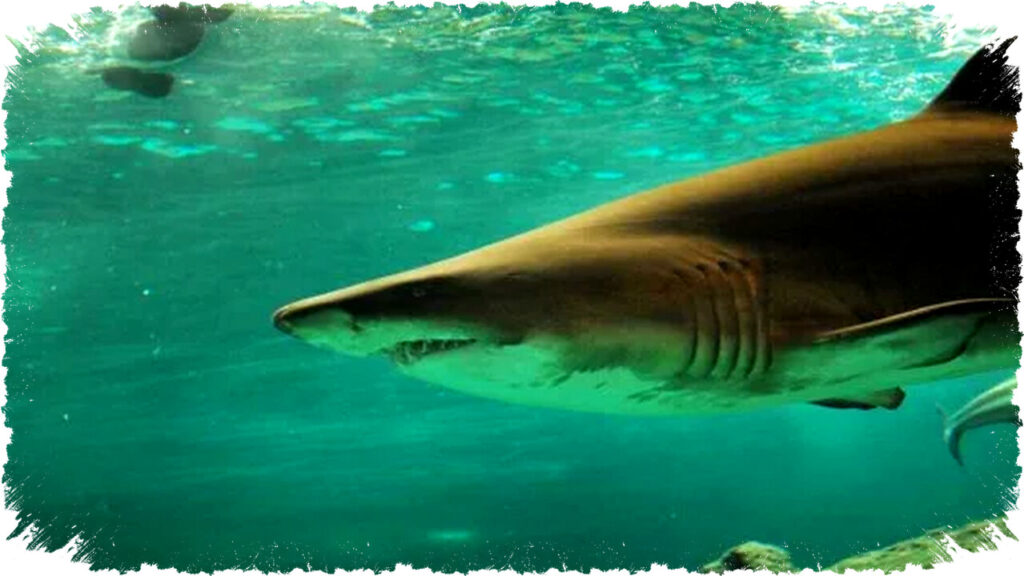
In addition, the team discovered a whale carcass lying 2.4 miles beneath the ocean surface. This "whale fall" has become an oasis of life, hosting scavengers like sharks, crabs, and other marine creatures that feed off the nutrients released during decomposition. Whale falls create temporary but essential habitats in the deep sea, contributing further to the ecosystem’s complexity.
Human Trash Reaches Ocean’s Deepest Reaches
The presence of human debris deep underwater is alarming. Plastic bags, discarded fishing gear, and even intact VHS tapes were found embedded in the seafloor’s sediment. These materials resist decomposition under the cold and high-pressure conditions at those depths. Their persistence poses threats to marine life through entanglement, ingestion, and ecosystem disruption.
This contamination demonstrates just how widespread plastic pollution is, infiltrating areas once thought beyond human influence. It highlights an urgent need for global strategies to reduce plastic waste and protect vulnerable marine habitats.
Scientific and Conservation Implications
Jyotika Virmani, Executive Director of Schmidt Ocean Institute, reflected on the findings by emphasizing the vastness of oceanic habitats, which comprise 98 percent of Earth’s living space. She noted that the majority of ocean species remain undiscovered, underscoring the importance of continuing exploration.
Schmidt Ocean Institute has a track record of revealing deep-sea biodiversity, having cataloged over 100 potential new species off Chile and exceptional Antarctic squid species. This recent discovery off Argentina contributes valuable knowledge about deep-sea ecosystems while reinforcing the imperative to safeguard these regions.
Protecting the ocean’s unique ecosystems, especially from pervasive plastic pollution, is crucial. The discoveries serve as a call to action for enhanced conservation efforts alongside scientific research. Without intervention, further damage to these fragile underwater worlds could compromise biodiversity and ecosystem function.
Key Highlights of the Argentina Deep-Sea Expedition
- Discovery of 28 potential new species near the largest known Bathelia candida coral reef.
- Documentation of rare marine life including the ghost jellyfish and a deep-sea whale fall habitat.
- Confirmation of plastic pollution and human waste contaminating depths of up to 2.4 miles.
- Emphasis on the ocean’s vast unexplored biodiversity, representing 98% of habitable space on Earth.
- Urgent call for global measures to mitigate plastic pollution and protect vulnerable marine environments.
This landmark expedition by Schmidt Ocean Institute reveals both the ocean’s hidden wonders and its growing vulnerabilities. The findings deepen scientific understanding and drive home the necessity to balance ocean exploration with responsible stewardship.