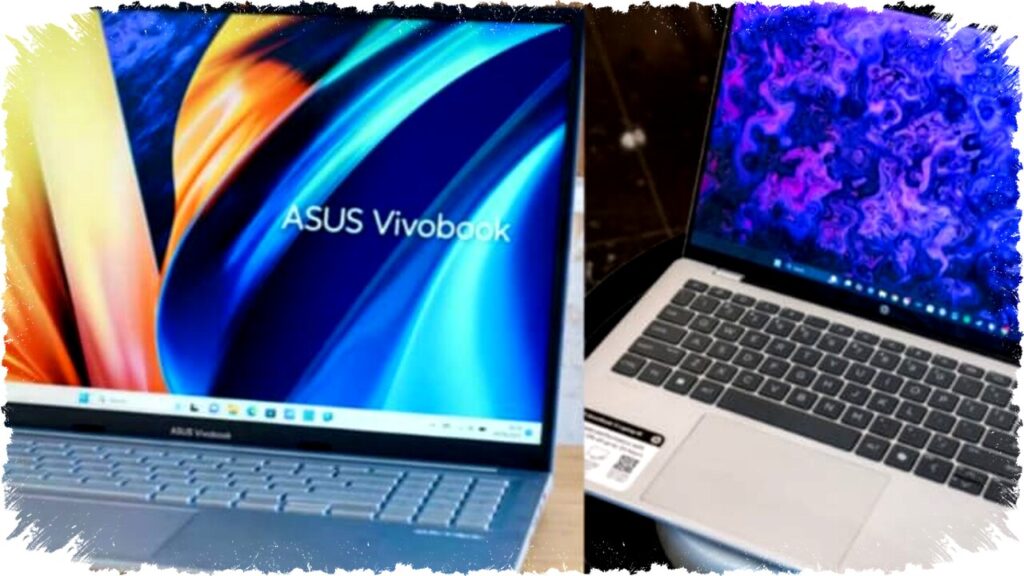
ASUS Vivobook 16 and HP OmniBook 5 represent the latest generation of Snapdragon-powered laptops aimed at productivity and creativity. Both models harness the Qualcomm Snapdragon X X1 26 100 chipset with an eight-core CPU and a 45 TOPS NPU, ensuring smooth integration with AI features in Windows 11.
Equipped with 16GB of LPDDR5X RAM, these laptops offer robust multitasking capabilities ideal for everyday tasks. The Snapdragon processor also delivers remarkable energy efficiency and low thermal output compared to traditional Intel or AMD CPUs.
Design and Build Quality
A key distinction between the two lies in their materials and casing design. ASUS Vivobook 16 uses plastic certified to US Military Standard MIL-STD 810H, which emphasizes durability and ruggedness. This makes it suitable for users who prioritize a sturdy build.
In contrast, HP OmniBook 5 boasts a chassis made from recycled aluminum with a sandblasted anodized finish. The premium metal construction provides a lighter weight profile at 1.59 kg, compared to Vivobook 16’s 1.88 kg. This difference makes the OmniBook more portable for users constantly on the move.
Display Performance
Screen technology sharply differentiates the two laptops’ user experience. Vivobook 16 features a 16-inch IPS panel with WUXGA resolution, 300 nits brightness, and 45% NTSC color gamut coverage. This setup is adequate for general productivity but offers modest color accuracy and vibrancy.
Meanwhile, HP OmniBook 5 steps up with a 16-inch 2K OLED display delivering 300 nits brightness and 95% DCI-P3 color gamut. This screen suits creative professionals or multimedia consumers who demand richer colors and deeper contrast for image editing or video streaming.
Processor and Computing Power
The Snapdragon X X1 26 100 processor fuels both laptops, paired with an Adreno GPU to handle graphics-intensive tasks. This configuration supports seamless browsing, office productivity, 4K video playback, and AI-powered Windows 11 features such as Co-Creator and Live Caption.
Users benefit from efficient power consumption, enabling longer battery life and quieter operation without significant heat generation. The overall performance balance caters well to both creative workflows and general office duties.
Storage, Battery, and Pricing
Storage options impact usability: HP OmniBook 5 includes a 1TB PCIe NVMe SSD, doubling the 512GB PCIe 4.0 storage found in Vivobook 16. More storage means better flexibility for large project files or media libraries.
Battery capacity also favors the HP device, offering 59Wh with fast charging that replenishes 50% within 30 minutes. ASUS’s 50Wh battery is slightly smaller and charges at a standard pace. Consequently, OmniBook extends unplugged usage, contributing to productivity on the go.
After available discounts, both models retail around ₹65,000, approximately $800 USD. However, HP OmniBook 5 holds a slight edge on pricing, adding value with its premium design and specs.
Suitability for Productivity and Creativity
Choosing between these laptops largely depends on user priorities. OmniBook’s lightweight aluminum body, superior OLED display, larger SSD, and longer battery life make it a compelling choice for visual content creators and users valuing portability. Its high-fidelity screen is especially valuable for photo editing and media consumption.
Conversely, ASUS Vivobook 16 appeals to users who seek a robust, military-grade durable device with reliable performance for everyday office tasks. Its plastic chassis and competitive pricing position it as a practical workhorse laptop for standard productivity needs.
Neither machine is primarily intended for heavy gaming, but both handle light gaming smoothly thanks to the Snapdragon chipset’s capabilities. This adds a layer of versatility for casual entertainment during breaks.
Key Differences Overview
| Feature | ASUS Vivobook 16 | HP OmniBook 5 |
|---|---|---|
| Build Material | MIL-STD 810H certified plastic | Recycled aluminum, sandblasted finish |
| Weight | 1.88 kg | 1.59 kg |
| Display | 16" IPS, WUXGA, 300 nits, 45% NTSC | 16" OLED, 2K, 300 nits, 95% DCI-P3 |
| Storage | 512GB PCIe 4.0 SSD | 1TB PCIe NVMe SSD |
| Battery Capacity | 50Wh | 59Wh with fast charging |
| Processor | Qualcomm Snapdragon X X1 26 100 (8 cores) | Same |
| RAM | 16GB LPDDR5X | Same |
| Price (After Discount) | Around $800 | Slightly cheaper around $800 |
Both ASUS Vivobook 16 and HP OmniBook 5 exemplify how Snapdragon-powered Windows laptops can blend performance, battery efficiency, and AI-enhanced productivity. Users are advised to assess factors such as screen quality, device weight, storage size, and build materials relative to their workflow demands.
For users whose work centers on multimedia editing or who prefer a premium, lightweight device, the HP OmniBook 5’s OLED panel and aluminum design provide tangible advantages. In contrast, those needing a tough, reliable machine for regular office productivity can rely confidently on the ASUS Vivobook 16.
Choosing between these two innovatively equipped laptops ultimately depends on the balance of portability, display needs, and storage requirements relevant to individual professional or creative tasks.