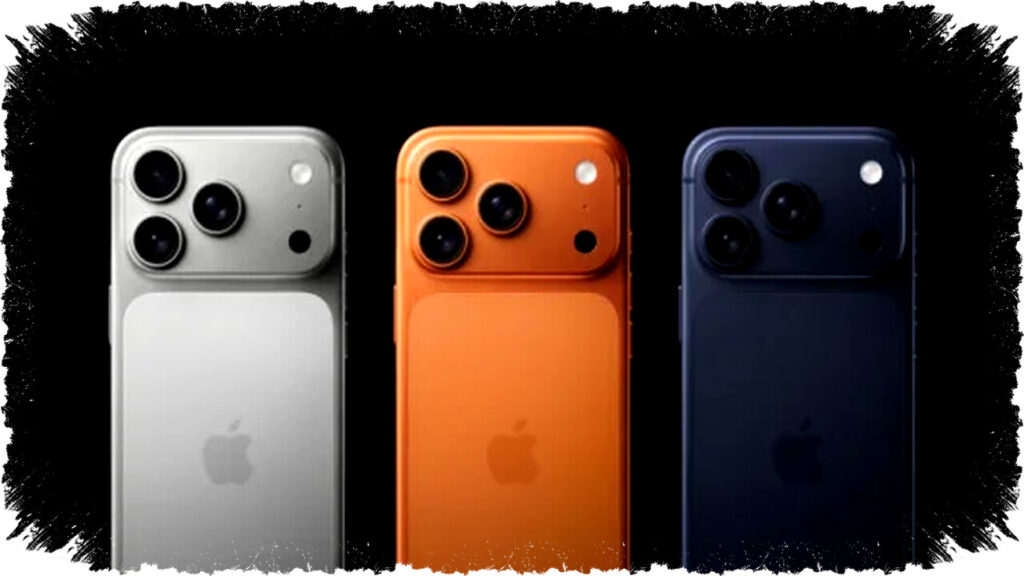
The iPhone 17 Pro Max continues to be a benchmark in premium smartphone cameras. Yet, rapid advances in Android camera technology have introduced formidable competitors. In several key areas—including sensor size, zoom capabilities, and low-light performance—some Android flagships now surpass the iPhone 17 Pro Max.
Three models stand out as top contenders: Samsung Galaxy S25 Ultra, Google Pixel 10 Pro series, and Xiaomi 15 Ultra. Each device employs a distinct strategy, combining cutting-edge hardware and sophisticated software to push photography boundaries beyond what the iPhone currently offers.
1. Samsung Galaxy S25 Ultra: Versatility and Zoom Excellence
Samsung’s Galaxy S25 Ultra is versatile and feature-rich. It uses a quad-camera system led by a huge 200 MP main sensor that excels in bright conditions, delivering exceptional detail.
The phone also has a 50 MP ultra-wide camera for landscape shots. Further, it includes two telephoto lenses with 3x and 5x optical zoom, which together provide up to 10x optical zoom without major loss of image quality.
Samsung’s zoom capabilities are especially impressive. Detailed subjects remain clear even at long distances, while noise is effectively minimized. Video recording supports 8K resolution with solid stabilization and wide dynamic range.
The device benefits from AI-powered imaging enhancements and noise reduction. These features improve night photography, producing bright, detailed images with low noise. In some tests, this low-light performance rivals or slightly surpasses that of the iPhone 17 Pro Max.
2. Google Pixel 10 Pro Series: Computational Photography Mastery
Google continues to lead in computational photography with its Pixel 10 Pro lineup. Although its hardware may not seem as aggressive as competitors’, its software processing is exceptional.
Pixel 10 Pro cameras deliver consistent, high-quality images in various lighting conditions. Key features like Night Sight and HDR+ capture balanced photos with impressive detail, even in low light.
Video stabilization is excellent, producing smooth, natural footage. Colors appear true-to-life, avoiding oversaturation common in other smartphone videos.
Blind test comparisons often show Pixel photos favored for realism and subtlety. Skin tones look natural, details are well preserved, and contrast remains moderate. This makes the Pixel 10 Pro ideal for users seeking accurate color reproduction and effortless shooting without manual tweaks.
3. Xiaomi 15 Ultra: Professional-Grade Hardware and Zoom Power
Xiaomi’s 15 Ultra takes a hardware-focused approach with a large 1-inch primary sensor. This sizeable sensor captures more light than standard ones, resulting in sharper images with rich detail and natural depth.
Its telephoto camera boasts an incredible 200 MP resolution, enabling long-range zoom with remarkable clarity. Both daytime and nighttime zoom shots maintain fine detail and control noise well.
For videographers, the Xiaomi 15 Ultra supports 8K video recording with capable stabilization, suitable for high-quality footage.
Reviewers highlight Xiaomi’s advantage in challenging scenes, particularly low-light photography and extended zoom scenarios. This makes it perfect for outdoor enthusiasts or those wanting professional-level camera output without carrying bulky gear.
Comparison Table of Key Camera Features
| Feature | Samsung Galaxy S25 Ultra | Google Pixel 10 Pro Series | Xiaomi 15 Ultra |
|---|---|---|---|
| Main Sensor | 200 MP | Mid-range resolution | 1-inch large sensor |
| Ultra-Wide Camera | 50 MP | Yes | Yes |
| Telephoto Cameras | Dual (3x & 5x optical zoom) | Single telephoto | 200 MP telephoto lens |
| Maximum Optical Zoom | Up to 10x | Moderate | High, with exceptional quality |
| Low-Light Performance | Bright, detailed with AI noise reduction | Strong computational photography | Excellent, with large sensor advantage |
| Video Recording | Up to 8K with strong stabilization | Up to 4K with smooth stabilization | Up to 8K with good stabilization |
| Image Processing Approach | Hardware plus AI | Software-driven computational photography | Hardware-focused with advanced sensors |
Each of these smartphones pushes camera performance beyond what the iPhone 17 Pro Max offers in different ways. Samsung emphasizes flexibility and zoom, Google excels in software-powered image refinement, and Xiaomi leads with professional-grade sensor hardware.
For users deciding among them, the choice hinges on individual priorities. Those valuing versatile hardware and exceptional zoom may favor the S25 Ultra. Users seeking ease of use paired with authentic color accuracy will appreciate the Pixel 10 Pro’s approach. Meanwhile, photography enthusiasts wanting large sensors and premium zoom capabilities might lean towards the Xiaomi 15 Ultra.
These developments underscore an important shift: the iPhone’s longstanding dominance in smartphone photography now faces substantial competition. Android manufacturers are not only catching up but, in specific photographic scenarios, are setting new standards. Mobile photography enthusiasts can expect this competition to drive further innovation and improvements in future flagship models.