BYD’s digital ecosystem is playing a pivotal role in accelerating electric vehicle adoption in Indonesia. At the Indonesia International Motor Show (IIMS), BYD showcased more than just its latest EV models. The company introduced a connected social and technological infrastructure designed to enhance user experience and simplify access to information.
This approach aims to increase public understanding of electric vehicles’ relevance to daily mobility. The ecosystem focuses on providing easy access to data and building a supportive community. Such efforts help overcome challenges associated with transitioning to new automotive technology among local consumers.
Strategic Role of the BEYOND Digital Platform
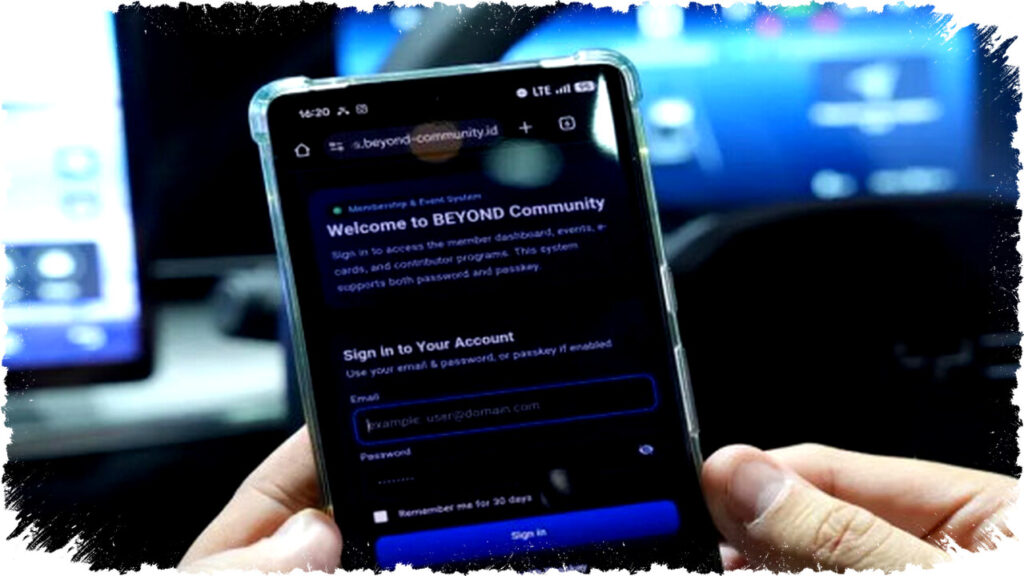
BYD launched the platform apps.beyond-community.id as the central hub for EV owners. This app connects thousands of vehicle users within a structured BEYOND ecosystem. It enables members to register, coordinate events, and communicate through a single digital channel.
The platform offers an interactive discussion forum that addresses maintenance questions and technical issues. Users receive announcements on events and local service points, reducing uncertainty for new EV owners. This community evolves into a reliable source of practical information accessible anytime.
By exchanging experiences, users build confidence in operating electric vehicles. Energy-saving driving habits are among the popular topics discussed. This digital engagement shortens the gap between manufacturer and consumer, fostering direct support and trust.
Demystifying e-Platform 3.0 with Visual Learning
At the BYD exhibition area, the e-Platform 3.0 was presented with simple, visual explanations. The technical design, including the battery system, electric motor, and car body structure, was made understandable without jargon. The goal is to demonstrate how these components work together to ensure safety and comfort.
For daily users, this visual education clarifies key concerns like driving range efficiency. Prospective buyers learn why BYD’s body design improves stability at highway speeds. Additionally, explanations cover electrical system performance in heavy urban traffic, such as Jakarta’s congestion.
Presenting transparent, easily digestible information helps customers make informed decisions. BYD highlights that its technological innovations have practical benefits for both long-distance travel and routine commutes. This transparency reduces public anxiety about EV performance in diverse road conditions.
Long-Term Impact on the Indonesian Market
BYD’s integrated digital ecosystem signals a new sustainable path for the automotive industry. The holistic strategy extends beyond sales to include after-sales services and community support under the Brand Matrix framework.
This business model offers consumers peace of mind, emphasizing long-term assistance. Indonesian buyers now gain a clearer picture of total ownership experience, factoring in service convenience and accessible knowledge. The synergy between digital technology and social infrastructure is becoming crucial for Indonesia’s EV success.
Key features of BYD’s ecosystem include:
- A unified digital platform for registration, communication, and community building.
- Interactive forums addressing technical and maintenance queries.
- Visual educational tools simplifying complex EV technologies.
- Transparent information on vehicle efficiency and safety.
- Comprehensive post-purchase support through the Brand Matrix system.
BYD’s efforts represent a comprehensive blueprint for accelerating EV adoption in emerging markets. This digital-social strategy could be a model for other manufacturers aiming to increase electric mobility uptake. Indonesia’s growing EV community stands to benefit from this integrated, user-centered approach.
By focusing on education, user support, and technological transparency, BYD reduces barriers to electric vehicle acceptance. Their ecosystem empowers customers with knowledge and community backing, fostering trust and confidence. Ultimately, such initiatives contribute to Indonesia’s transition to greener transportation solutions.