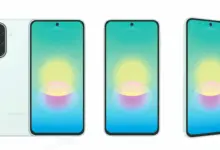
Samsung is set to unveil its next flagship lineup, the Galaxy S26 series, at the Galaxy Unpacked event scheduled for February 25, 2026. Anticipation is high as leaks reveal significant upgrades, including a groundbreaking 2nm chipset and advanced on-screen security features.
This new series includes three models: the Galaxy S26 with a 6.3-inch screen, the S26 Plus at 6.7 inches, and the top-tier S26 Ultra with a 6.9-inch display. Samsung emphasizes extreme power efficiency by leveraging the new 2nm fabrication process for their flagship chips, promising enhanced performance and battery life.
Cutting-Edge Performance with 2nm Chipsets
The Galaxy S26 series introduces one of the industry’s first wide-scale uses of 2nm chip technology. The devices will use either the Snapdragon 8 Elite Gen 5 or Samsung’s Exynos 2600 processor, depending on the region. In markets like Indonesia, the Exynos 2600 is optimized to handle heavy AI tasks directly on device, reducing latency and improving efficiency.
Gamers and power users will appreciate the high-speed UFS 4.1 storage paired with a base RAM of 12GB, expandable up to 16GB on the Ultra model. This combination ensures faster read/write speeds and smoother multitasking compared to previous generations. Below is a summary of the main technical specifications:
| Feature | Galaxy S26 | Galaxy S26 Plus | Galaxy S26 Ultra |
|---|---|---|---|
| Display | 6.3" Dynamic AMOLED 2X | 6.7" Dynamic AMOLED 2X | 6.9" QHD+ Privacy Display |
| Chipset | Exynos 2600 / Snapdragon 8 Elite Gen 5 | Exynos 2600 / Snapdragon 8 Elite Gen 5 | Snapdragon 8 Elite Gen 5 (Global) |
| Main Camera | 50 MP (Wide) | 50 MP (Wide) | 200 MP (ISOCELL HP2) |
| Battery | 4,300 mAh (45W Charging) | 4,900 mAh (45W Charging) | 5,000 mAh (60W Charging) |
| Operating System | Android 16 with One UI 8.5 | Android 16 with One UI 8.5 | Android 16 with One UI 8.5 |
Innovations in Camera and Privacy Features
Photography remains a flagship focus, especially on the Ultra model featuring a 200MP ISOCELL HP2 sensor. Samsung has widened the aperture to f/1.4 to enhance low-light performance significantly. This improvement is crucial for users who prioritize mobile photography and videography in challenging lighting conditions.
A standout feature exclusive to the S26 Ultra is the “Privacy Display.” This technology narrows the viewing angles so that onlookers cannot easily see the phone’s content from the sides. It enhances user privacy in public or crowded environments without sacrificing screen brightness or clarity.
Samsung also embraces Qi2 wireless charging standards, adding magnetic accessory compatibility similar to Apple’s MagSafe. This makes attaching wireless power banks or wallets a more seamless experience with minimal misalignment risk.
Proactive AI Features and Satellite Connectivity
The Galaxy S26 series enhances Samsung’s AI capabilities with the new “AI Proactive” feature. It intelligently learns users’ habits to optimize battery usage, such as adapting screen brightness and background app activity based on routines. It can even draft emails and messages by anticipating user needs, improving productivity.
In addition, the phones support satellite voice calls, enabling communication in emergencies even when cellular networks are unavailable. This connectivity feature aims to enhance safety during outdoor adventures or natural disasters.
Price Expectations and Availability in Indonesia
Due to the advanced 2nm chip technology, component costs have risen, impacting retail prices. Market analysis predicts the following starting prices in Indonesia, converted to USD as of mid-2026 exchange rates:
- Galaxy S26: Starting at approximately $950 USD
- Galaxy S26 Plus: Starting at roughly $1,150 USD
- Galaxy S26 Ultra: Starting at about $1,490 USD
Pre-orders are expected to open immediately after the February 25th launch event. Initial shipments to Indonesian consumers should begin by mid-March 2026, aligning with global rollout schedules.
Samsung’s Galaxy S26 series represents a significant step forward, combining cutting-edge silicon fabrication with user-focused innovations. The improved AI, privacy technologies, and satellite communication options position these devices well for users demanding power, security, and connectivity in flagship smartphones.