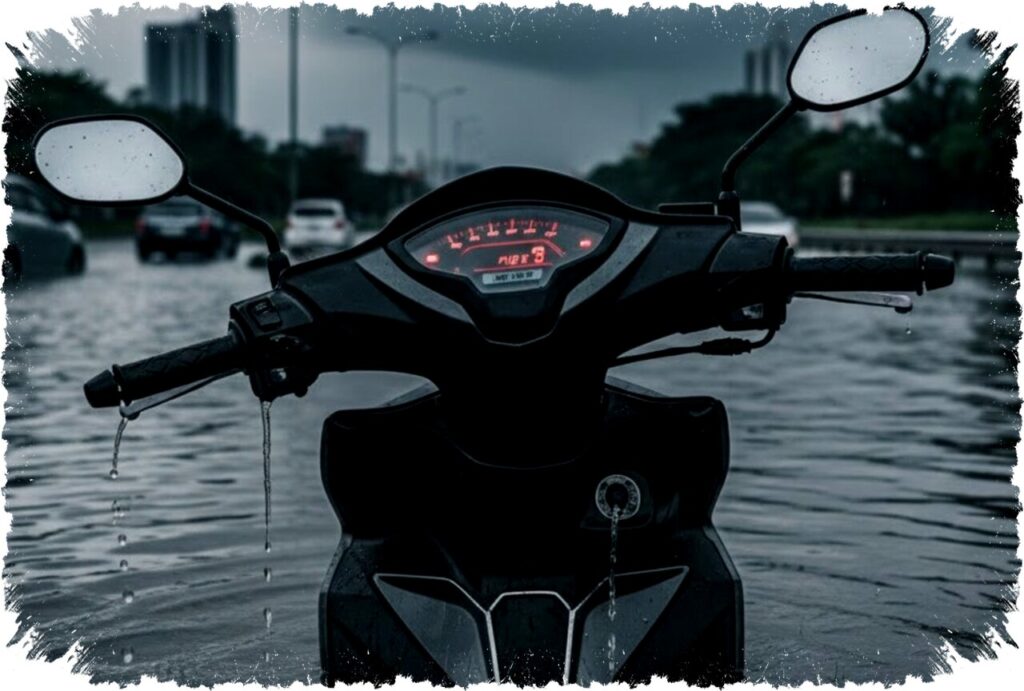
The check engine light illuminating after a motorcycle passes through floodwaters often signals an underlying issue with the oxygen (O2) sensor in fuel-injected engines. This sensor plays a crucial role in measuring the oxygen levels in exhaust gases to maintain the optimal air-fuel mixture. When floodwater intrudes into the exhaust system or sensor wiring, it causes inaccurate sensor readings that trigger the engine control unit (ECU) to turn on the warning light.
The O2 sensor operates by detecting oxygen concentration in combustion byproducts. According to Bosch technical details, it sends electrical signals to the ECU to regulate fuel injection timing and mixture, ensuring efficient combustion and lower emissions. Water contamination disrupts this process by causing unstable signals, leading the ECU to enter a fail-safe or limp mode to protect the engine from potential damage.
Floodwaters can enter through the exhaust opening, especially when the engine is off or exhaust gas pressure is low. This intrusion results in moisture accumulation and corrosion inside the sensor housing. In addition, the sensor’s electrical connector sockets may become wet, causing short circuits or erratic sensor operation. These problems commonly occur in motorcycles parked in flood-prone areas or forced to run through deep water.
Typical symptoms of a failing O2 sensor after exposure to flooding include an illuminated check engine light, sluggish engine response, and increased fuel consumption. These signs suggest the ECU is receiving faulty oxygen data, forcing it to use default fuel settings that reduce overall engine efficiency. Immediate attention is necessary to prevent further damage to emission systems and avoid costly repairs.
Manufacturers like Yamaha advise riders to treat a check engine warning seriously. Persistent sensor errors can escalate into more severe engine issues if left unchecked. Moisture trapped inside sensor connectors fosters oxidation of metal contacts, impairing electrical conductivity. Cleaning these connectors with specialized electrical contact cleaner can often restore proper sensor communication without replacing the component.
Additionally, mud and dirt from floodwaters can cling to the sensor and muffler assembly. This debris affects the sensor’s ability to reach its ideal operating temperature, causing inaccurate readings. The ECU relies on data from a sensor operating within a specific temperature range, and contamination lengthens the warm-up time, leading to inconsistent signals.
If the sensor shows extensive corrosion or damage, replacement is usually the only effective solution. Oxygen sensors generally last tens of thousands of kilometers, but environmental factors like water exposure and sediment drastically shorten their lifespan. According to automotive industry standards, regular sensor maintenance is necessary to ensure optimal engine management, especially in areas prone to seasonal flooding.
To minimize the risk of sensor failure during floods, riders should follow these preventive measures:
1. Avoid riding through deep floodwaters to prevent water ingress into the exhaust and electrical systems.
2. Turn off the engine before crossing flooded sections to reduce back pressure and water suction.
3. Check and dry sensor connectors immediately after riding in wet conditions to remove moisture.
4. Periodically clean sensor connectors using appropriate electrical contact cleaners.
5. Inspect the sensor and exhaust system for mud or debris buildup and clean as needed.
The increase in oxygen sensor malfunctions following floods highlights the importance of proper motorcycle care amid extreme weather events. Understanding how the sensor functions and the vulnerabilities caused by water intrusion helps riders take preventive steps. Proactive maintenance not only preserves engine performance but also reduces unnecessary repair expenses.
Regular diagnostic checks after exposure to flood conditions ensure early detection of sensor faults. With proper management, the longevity of the O2 sensor and the overall fuel injection system can be maintained efficiently. Equipped with this knowledge, motorcyclists can better navigate wet environments without compromising engine health or safety.
Floodwaters bring hidden risks to a motorbike’s electronic components, and the O2 sensor is among the most sensitive. Staying vigilant about sensor condition and acting promptly at the first sign of trouble is key to keeping the engine running smoothly in challenging conditions.