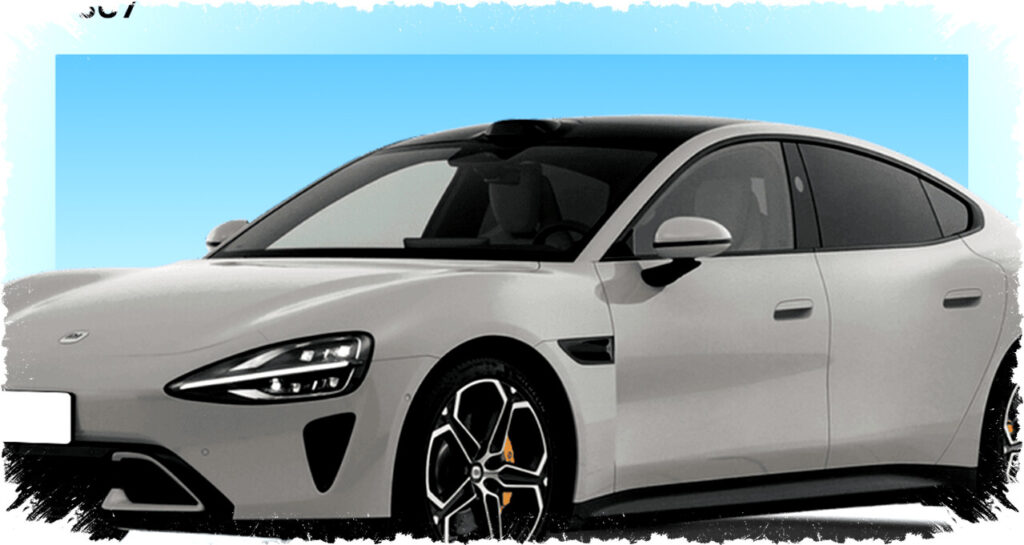
Tesla faces growing pressure as Xiaomi’s electric vehicle (EV) sales surge past 600,000 units early in 2026. Xiaomi’s latest model, the SU7 electric sedan, is capturing significant market share in China, signaling a major shift in the competitive landscape.
Since launching its EV division in April 2024, Xiaomi has achieved rapid growth, with cumulative deliveries exceeding 600,000 vehicles nationwide. This milestone highlights Xiaomi’s success in a market historically dominated by Tesla and other established EV manufacturers.
Innovations in the Xiaomi SU7 Model
The SU7 sedan comes with a notable upgrade in door handle technology. Xiaomi has introduced dual opening mechanisms—electric and manual—addressing new Chinese safety regulations. This innovation counteracts issues experienced by previous EVs where door handles were unresponsive during power failures caused by accidents.
This manual override ensures passengers can exit the car safely during emergencies, enhancing overall vehicle safety compliance. Introduced in the latest SU7, this feature is expected to set a new standard for EV manufacturers adapting to evolving safety standards.
Battery Options and Driving Range
Xiaomi offers its SU7 with three battery capacities to cater to varying user needs:
- 73 kWh
- 96.3 kWh
- 101.7 kWh
Depending on motor configuration and wheel size, the SU7 sedan achieves estimated driving ranges from 630 km to 902 km (approximately 391 to 560 miles) on a single charge. This range places the SU7 in the upper echelon of electric sedans in terms of distance capability, appealing to consumers demanding long-distance usability.
Competitive Pricing Strategy
Pricing for the Xiaomi SU7 is aggressive and competitive. The base model starts at RMB 229,900 (roughly $32,200 USD), while the fully-equipped Max variant is priced at RMB 309,900 (about $43,400 USD). These price points undercut many competitors while maintaining premium build quality and features, providing strong value in China’s EV market.
Xiaomi’s strategy of combining affordability with advanced technology and safety features is helping it gain traction quickly against more established brands like Tesla.
Sales Performance and Market Impact
In January 2026 alone, Xiaomi sold over 39,000 vehicles, with the SUV model YU7 dominating sales by accounting for nearly 97% of the total. The YU7 is currently the best-selling EV in China, underpinning Xiaomi’s rapid rise.
During 2025, Xiaomi delivered over 410,000 EVs, surpassing corporate targets and demonstrating steady growth momentum. December 2025 marked a peak month with over 50,000 units shipped. CEO Lei Jun has set ambitious goals to increase deliveries by approximately 34% to 550,000 units in 2026.
This consistent performance is raising concerns for Tesla, which has been challenged by Xiaomi’s expanding footprint and successful product portfolio.
Global Expansion Plans
Xiaomi is preparing to go global by targeting entry into the European market in 2027. Current efforts focus on optimizing manufacturing capacity and consolidating leadership within China’s EV industry.
The international launch will test Xiaomi’s ability to compete with Tesla and other global automakers on innovation, quality, and brand recognition. However, the company’s rapid domestic success provides a promising foundation for this next phase.
Summary of Xiaomi SU7 Key Features:
| Feature | Details |
|---|---|
| Door Handle System | Dual mechanism: electric and manual for safety |
| Battery Options | 73 kWh, 96.3 kWh, 101.7 kWh |
| Driving Range | 630–902 km (391–560 miles) |
| Price Range | $32,200 (base) – $43,400 (Max variant) |
| Sales Milestone | Over 600,000 total EVs delivered since 2024 |
| Market Position | YU7 SUV: Best-selling EV in China |
| Expansion Target | Europe by 2027 |
Xiaomi’s innovative solutions, competitive pricing, and rapid sales growth indicate a reshaping of the EV landscape. Their stronghold in China, backed by models like the SU7 sedan and YU7 SUV, is compelling Tesla to re-evaluate its strategy in one of the world’s largest EV markets.
These developments underscore the rising influence of new EV entrants challenging incumbent leaders through technology, regulatory adaptation, and aggressive marketing. Xiaomi’s trajectory will be critical to watch as it prepares to extend beyond its home market and confront Tesla on a global scale.