


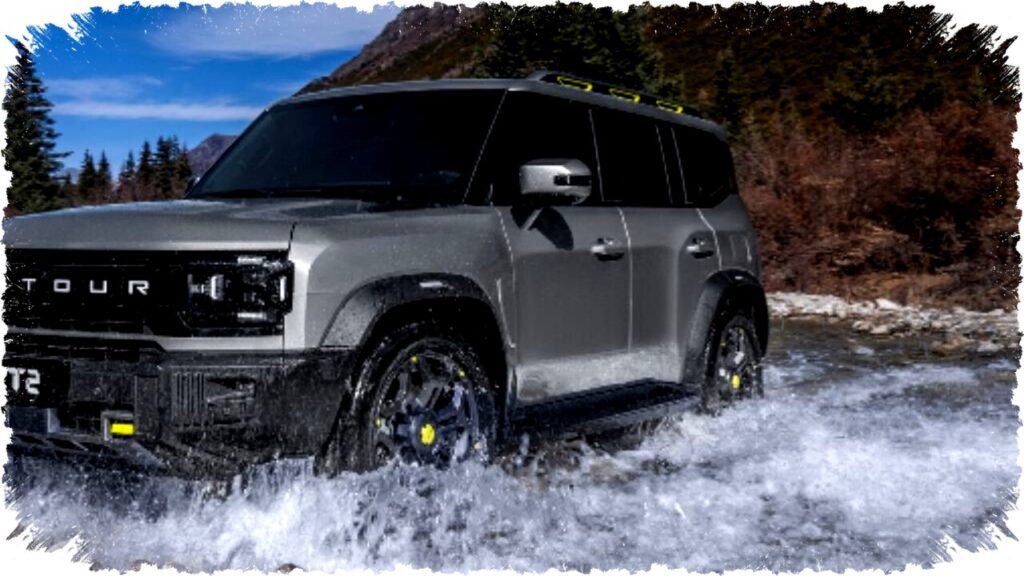
Latest 2026 vehicles are now equipped with the advanced Wading Sensor feature, designed to measure flood or water depth during driving. This technology mainly supports SUVs and off-road cars by preventing engine damage from water intrusion.
The Wading Sensor system safeguards the engine intake against the harmful effect called water hammer, which can cause severe mechanical failures. It enables drivers to confidently navigate flooded roads with accurate depth information displayed in real-time.
How the Wading Sensor Works
Wading Sensors integrate ultrasonic or radar sensors, usually mounted on the door mirrors or front bumpers. These sensors emit sound waves or electromagnetic pulses towards water surfaces below the vehicle.
The system calculates the time taken for these waves to reflect back, known as time-of-flight measurement. Short reflection time indicates shallow water, while longer times signify deeper water. The collected data is then processed by the vehicle’s onboard computer.
This processed information is visually presented on the infotainment screen or dashboard. Drivers see graphical depth readouts along with color-coded alerts—such as the display turning gray when water exceeds safe levels, warning drivers to stop or find an alternative route.
Key Components and Functions
- Ultrasonic/Radar Sensors: Emit waves to detect water height continuously during driving.
- Time-of-Flight Calculation: Precisely determines water depth from reflection times.
- Data Visualization: Displays water depth on screens in actionable formats.
- Warning System: Issues audible and visual alerts near depth limits (e.g., 900 mm on Land Rover Defender).
- Wade Mode Activation: Raises air suspension for improved ground clearance and water resistance.
Advantages of Wading Sensors
This technology notably reduces engine failure risks by detecting potentially damaging water depths. Drivers gain greater confidence when encountering flooded roads or rough terrain using the precise water depth metrics instead of guessing.
Additionally, the sensor improves safety by providing early warnings to prevent unintentional water ingress into engine compartments. Its real-time feedback helps drivers make informed, prompt decisions.
Popular Vehicles Featuring Wading Sensors
Premium SUVs and rugged off-road models increasingly incorporate this feature:
- Land Rover models such as Defender, Discovery, Range Rover, which pioneer Wade Sensing technology.
- Jetour T2, which utilizes radar sensors for wading detection.
- BYD Yangwang U8, engineered for water adversity, including a floating capability.
Despite technological support, drivers must remain cautious about fast currents or unseen underwater obstacles. The system measures static water depth but does not guarantee crossing safety under all flooding conditions.
Final Notes on Usage
For optimal sensor accuracy, vehicles should move slowly across waterlogged areas to adjust for wave ripples. When water exceeds safe thresholds, the sensor interface disables further depth indication, reinforcing the need to stop the vehicle promptly.
The Wading Sensor feature marks a significant step towards safer flood navigation. It empowers drivers by translating sensor data into accessible warnings and actionable insights, reducing water-related vehicle damage risks in everyday and challenging driving scenarios.
This advancement aligns with evolving automotive safety trends focusing on environmental adaptability and driver assistance technologies. As flood incidents increase globally, such innovations support both convenience and protection for vehicle owners.