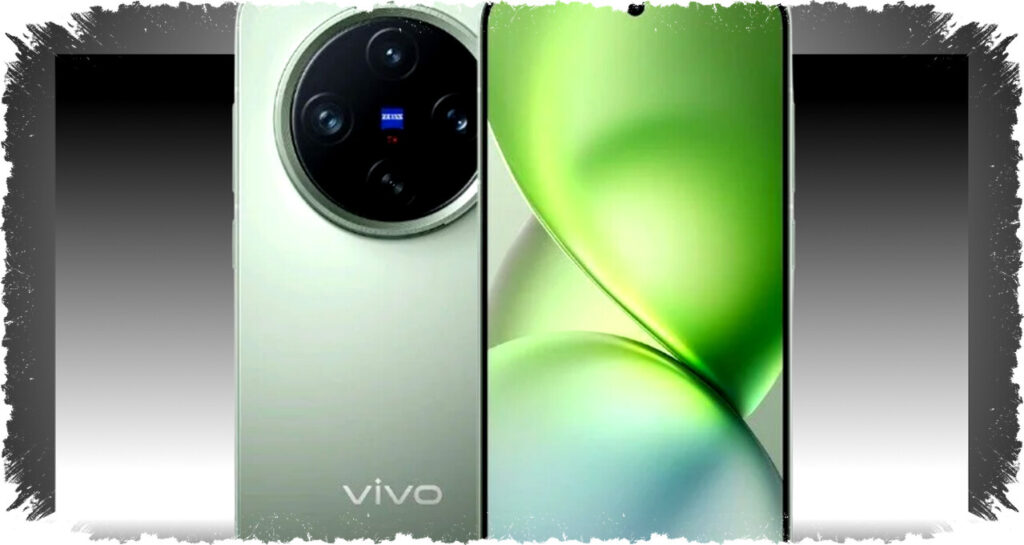
vivo reportedly tests a smartphone equipped with an exceptionally large battery, boasting a typical capacity of up to 12,000mAh. This development was revealed by the well-known tipster Digital Chat Station via Weibo, stirring excitement around battery innovations in mobile devices.
The smartphone allegedly employs a single-cell silicon-carbon battery rated at 4.53V with a measured capacity of 10,000mAh. However, the typical capacity reportedly ranges between 11,000mAh and 12,000mAh. This capacity far exceeds the current standard in mainstream smartphones, which usually hover below 5,000mAh.
Innovative Silicon-Carbon Battery Technology
The key feature of this vivo device lies in the silicon-carbon battery technology. This type of battery offers higher energy density without significantly increasing the physical size of the battery. Traditionally, increasing battery capacity meant a larger and heavier battery pack, but silicon-carbon materials enable compact designs that deliver longer usage times.
This technological advancement could signal a trend toward more durable smartphones that do not compromise on portability. It also addresses common user concerns such as frequent recharging and battery degradation.
Not Necessarily a Flagship Model
Despite the enormous battery capacity, sources suggest that this vivo model might not be a flagship device. Instead, it may target the mid-range sector or be launched under vivo’s sub-brand, possibly iQOO. This approach aligns with current market strategies, where battery endurance is a key selling point for mid-tier phones aimed at power users and heavy media consumers.
Since the phone is still in testing phases, experts estimate that its official release might not be imminent. Vivo likely wants to perfect the device’s hardware and software integration before launching it.
Growing Trend of 10,000mAh Batteries
In recent months, the smartphone market has witnessed several brands pushing the limits of battery capacities, initiating a trend of “battery giants” around or exceeding 10,000mAh. Here are some notable launches:
- Honor Win and Win RT: These models feature batteries with a 10,000mAh capacity.
- Honor Power2: Comes with a slightly larger capacity of 10,080mAh.
- Realme P4 Power: Equipped with a 10,001mAh battery.
These devices focus on prolonged battery life to appeal to gamers, content creators, and users who demand extended screen-on time without frequent recharging.
The Battle for Battery Supremacy
If vivo successfully releases a smartphone with a 12,000mAh battery, it will set a new benchmark for endurance in the competitive smartphone landscape. This move could intensify competition among manufacturers, who are already highlighting battery performance as a critical feature.
Consumers who prioritize battery longevity over other features like camera quality or processing power will likely benefit from this trend. Meanwhile, smartphone makers continue to experiment with cutting-edge battery materials and charging technologies to balance capacity, size, weight, and safety.
Potential Impact on User Experience
A battery of this magnitude could provide several user benefits:
- Extended Usage: More than one or two days of continuous use without charging.
- Improved Reliability: Less frequent battery degradation with silicon-carbon chemistry.
- Reduced Charging Frequency: Convenience for travelers and outdoor workers.
However, questions remain regarding the phone’s overall weight, thickness, and thermal management. Manufacturers must ensure that larger batteries do not negatively affect device ergonomics or safety standards.
Looking Ahead
The shift toward super-sized smartphone batteries represents consumer demand for longer-lasting devices in an age where mobile phones serve multiple daily functions. If vivo’s 12,000mAh smartphone reaches the market, it could redefine endurance expectations.
This innovation may inspire other brands to push battery capacities even higher or supplement large batteries with faster charging, improved battery management AI, or software optimizations to maximize efficiency.
The continuation of this trend highlights the increasing importance of energy performance in smartphone development, offering users options that better suit intensive mobile lifestyles without compromise.