


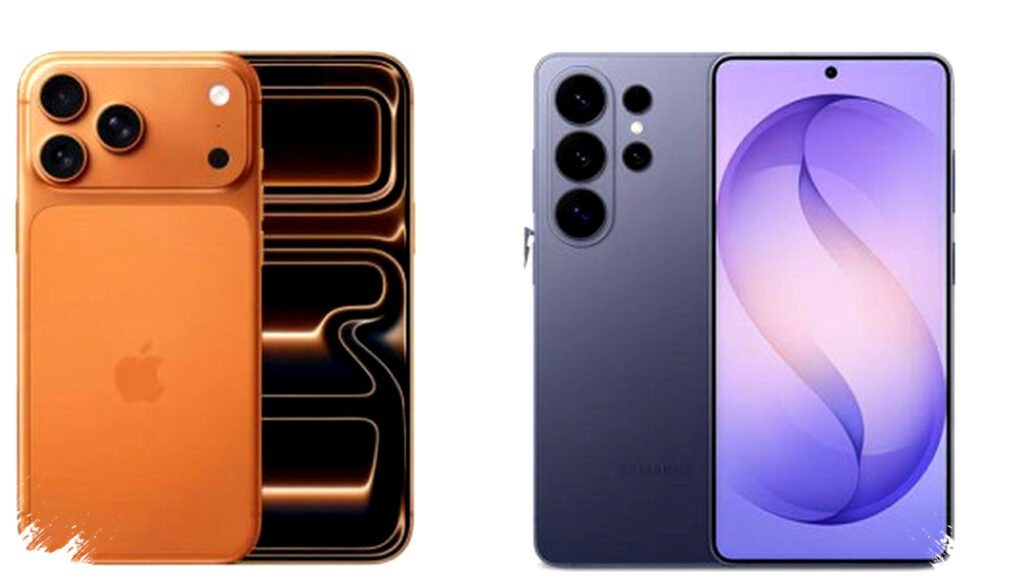
The battle for the best smartphone camera continues with the latest results from DxOMark, highlighting the iPhone 17 Pro’s clear advantage over the Samsung Galaxy S26 Ultra. Both Apple and Samsung have introduced significant camera upgrades in their new flagship models, but the outcome shows that Samsung still has room to catch up.
Samsung’s Galaxy S26 Ultra improves on its predecessor, the Galaxy S25 Ultra, by implementing several notable camera enhancements. However, despite these strides, it still cannot fully match the iPhone 17 Pro in key photography aspects according to the independent testing from DxOMark.
Key Camera Specifications and Upgrades
On paper, the Galaxy S26 Ultra’s camera setup resembles the previous generation, maintaining the 50-megapixel ultra-wide camera with an f/1.9 aperture and a 1/2.52-inch sensor size. The 10-megapixel telephoto lens with 3x optical zoom and f/2.4 aperture also remains unchanged.
The major difference lies in the primary camera and zoom system. Samsung upgraded the main sensor to a 200-megapixel unit with a wider aperture of f/1.4, improved from f/1.7 on the S25 Ultra. This adjustment allows roughly 47% more light to reach the sensor, which theoretically translates into sharper details and lower noise levels when shooting in dim conditions.
Samsung also introduced a revamped periscope telephoto lens featuring a 50-megapixel sensor with 5x optical zoom and an aperture of f/2.9. This lens uses a new design called Adaptive Lens on Prism (ALoP), which reduces module size without sacrificing zoom quality. Additionally, the bokeh effect appears more natural and circular compared to the blocky blur seen on earlier models.
However, this new lens design increases the minimum focal distance to about 52 centimeters, making it less suitable for close-up zoomed shots.
Performance Insights From DxOMark
DxOMark’s early testing confirms that the Galaxy S26 Ultra delivers improved photographic results. It captures finer details and reduces noise significantly in low-light scenarios. Skin tone reproduction also shows a marked improvement, rendering more natural colors than the Galaxy S25 Ultra.
Portrait photography benefits from enhanced image processing, yielding balanced exposure and cleaner noise control. Yet, DxOMark points out that the Galaxy S26 Ultra’s autofocus system can struggle with quick face detection in complex lighting situations. Moreover, portrait images occasionally exhibit artifacts around hair and subject edges, weakening the separation between foreground and background.
In contrast, the iPhone 17 Pro stands out for its consistent and reliable autofocus performance, especially in challenging lighting. It produces sharper, cleaner images in low-light environments and excels in portrait mode segmentation. The iPhone’s ability to accurately isolate subjects even with busy or patterned backgrounds results in natural and professional-looking photos, with minimal unwanted artifacts.
Comparison Summary
-
Primary Sensor:
- Galaxy S26 Ultra: 200MP, f/1.4 aperture, 47% more light intake
- iPhone 17 Pro: Slightly smaller sensor but optimized for real-world performance
-
Ultra-wide and Telephoto:
- Galaxy S26 Ultra retains 50MP ultra-wide and 10MP telephoto (now 50MP periscope with 5x zoom)
- iPhone 17 Pro integrates advanced telephoto and ultrawide capabilities with better autofocus
-
Autofocus and Face Detection:
- Galaxy S26 Ultra faces occasional focus delays and less stable face detection
- iPhone 17 Pro offers fast, consistent autofocus with superior face recognition
-
Portrait Quality:
- Galaxy S26 Ultra shows artifacts and imperfect background separation
- iPhone 17 Pro delivers precise segmentation and natural bokeh effects
- Low-Light Photography:
- Galaxy S26 Ultra benefits from wider aperture but still trails slightly
- iPhone 17 Pro maintains sharper, cleaner shots under challenging conditions
Ongoing Camera Competition Between Apple and Samsung
Samsung made significant strides to enhance the Galaxy S26 Ultra’s camera system, including sensor improvements, advanced zoom capabilities, and refined image processing. These upgrades considerably close the gap with Apple’s flagship.
Nonetheless, Apple sustains an edge in delivering consistent photo quality and handling complex scenarios more effectively. The iPhone 17 Pro’s camera demonstrates better stability and accuracy, particularly in portrait and low-light photography.
Given the rapid innovation cycles from both manufacturers, this rivalry is far from over. Future releases are likely to bring even more sophisticated camera technologies, continuing to push smartphone photography closer to professional standards.
As smartphone users demand higher photo quality and versatile imaging features, the competition between the iPhone 17 Pro and Galaxy S26 Ultra exemplifies the remarkable progress in mobile camera development. Each new flagship introduces unique enhancements that appeal to different photography preferences, ensuring consumers have compelling choices in the evolving flagship landscape.