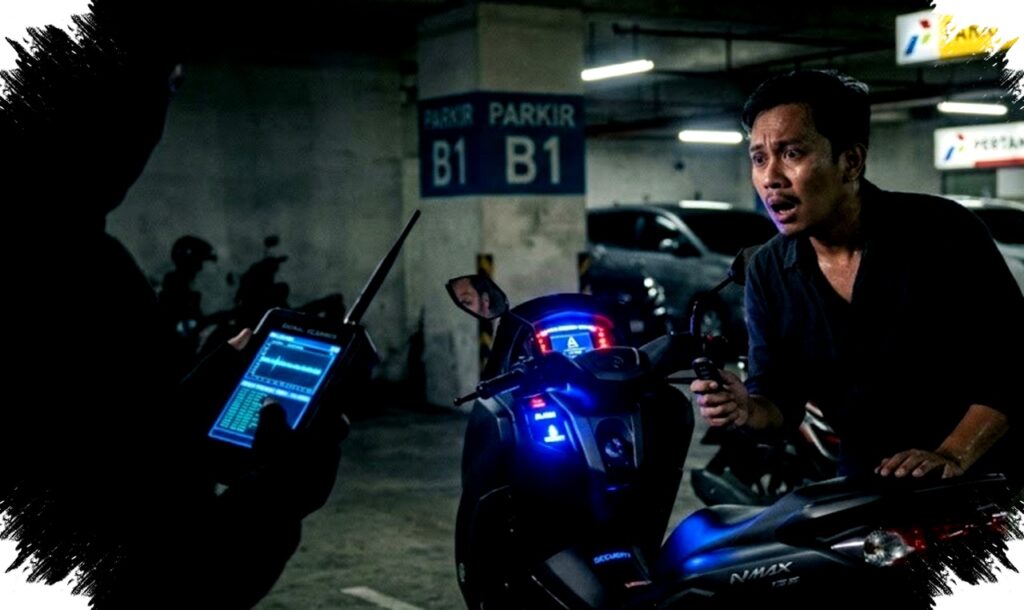
Motorcycle alarm technology is evolving rapidly to counter increasingly sophisticated theft methods. Starting in 2026, newer alarm systems adopt Anti-Scanner features designed to protect keyless signal transmissions from being intercepted by electronic burglars. This new technology aims to block scanners from capturing or copying the remote’s signal, thus safeguarding the bike’s security system from digital hacking attempts.
Keyless entry systems have become more prevalent due to the convenience they offer. Riders can start their motorcycles simply by pressing a button with the remote in their pocket. However, this convenience also creates vulnerabilities. Electronic devices capable of detecting radio waves emitted by these remotes may capture the signal and allow thieves to unlock and steal the vehicle without physical damage.
How Anti-Scanner Technology Works
The core of Anti-Scanner technology lies in signal encryption. Most systems employ rolling code or dynamic code technology. This means each time the remote is activated, the transmitted signal changes automatically, generating a unique code that cannot be reused. If an unauthorized device tries to record the code, the vehicle’s system will reject it since it expects a new and different code every time.
This solution solves the problem where traditional remote signals remain constant and can be captured and replayed. By frequently altering the code, thieves cannot rely on a stolen signal to gain unauthorized access.
Advanced Frequency Communication
In addition to rolling codes, advanced alarm systems communicate using complex frequencies unique to the vehicle. These frequencies are only recognized by the paired motorcycle unit. Any foreign signal attempts are immediately discarded. This strategy further strengthens defenses against fraudulent access attempts through signal imitation.
Some alarm manufacturers integrate signal interference detection, which monitors the environment around the vehicle for suspicious radio frequency scanning activities. Upon detection, the alarm system activates immediately, alerting the owner and deterring potential theft.
Immobilizer Integration
Modern motorcycles often feature immobilizers tied to the keyless entry system. The immobilizer ensures the ignition system only responds to remotes properly registered with the vehicle. If a mismatched code is detected, the engine will remain disabled, effectively preventing unauthorized starts.
Additional Security Tips for Owners
Besides relying on technology, owners should adopt secure practices to minimize theft risks:
- Store the remote keyless device in signal-blocking wallets or pouches to prevent electronic scanning.
- Use alarm systems with motion or vibration sensors that warn the owner immediately in case of suspicious movements.
- Park motorcycles in well-lit areas equipped with surveillance cameras for better physical security.
- Regularly update and maintain the alarm system software when possible to benefit from security improvements.
Industry Trends and Security Outlook
While electronic vehicle theft remains less common than traditional methods, its frequency may rise alongside the increasing adoption of keyless technology. Hence, manufacturers and security providers continue to innovate to keep pace with evolving threats.
The introduction of Anti-Scanner alarm systems marks a significant step in enhancing two-wheeler security. Combining encrypted signals, immobilizer systems, and advanced detection features, these alarms give riders robust protection in an era where digital theft techniques are advancing.
Understanding these technologies helps motorcycle owners make informed decisions on security measures and adopt safer habits. Using the right combination of technology and behavioral precautions reduces the likelihood of theft and secures the convenience brought by keyless systems.
With continuous advancements, the future holds promising developments in vehicle security, where integrated solutions will provide seamless protection without compromising ease of use. This shift reflects the broader trend towards smarter, safer transportation in a digital age.