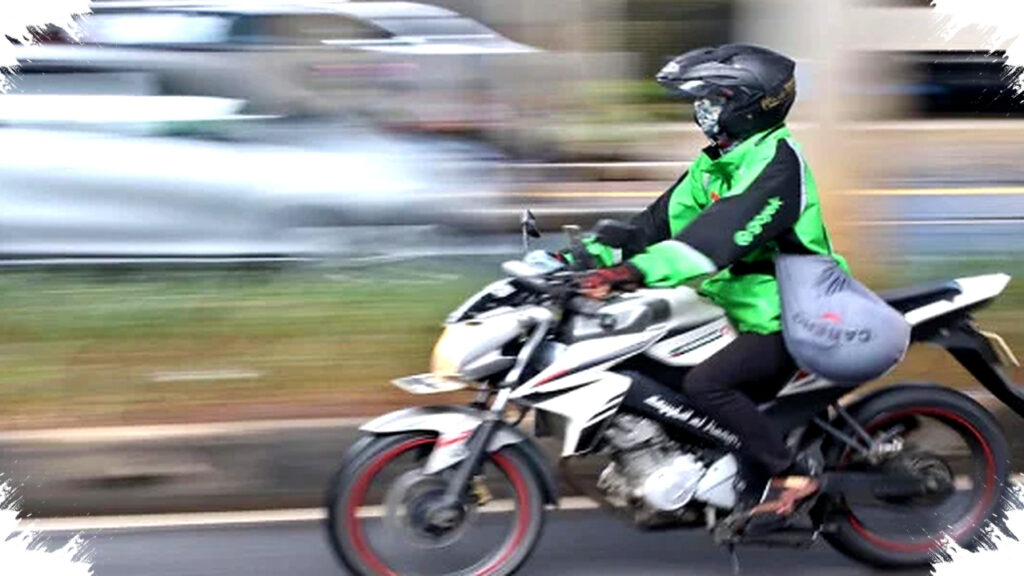
Gojek has addressed growing concerns about the difficulty in finding drivers amid an apparent crisis in the online motorcycle taxi (ojol) service. Users across Jakarta and other major cities have reported lengthy waits and fewer available drivers for rides and food delivery in recent weeks. The company attributes the shortage primarily to seasonal and environmental factors that have shifted demand and supply patterns.
The driver scarcity issue intensifies especially during peak hours in the late afternoons. According to Bambang Adi Wirawan, Head of Driver Operations at Gojek, demand surges have moved earlier in the day during this Ramadan period. Customers begin placing orders around 3:30 PM as they prepare to break their fast, with the busiest window falling between 4:00 and 6:00 PM. This shift stresses the platform’s ability to promptly match riders with active drivers.
Several key elements have contributed to the dwindling number of drivers available during these critical hours. A prominent cause is the start of the annual tradition of “mudik,” where numerous drivers leave the city to celebrate Idulfitri with family in their hometowns. This seasonal outflow significantly reduces driver presence in urban centers just as user demand peaks.
Compounding the driver shortage is worsening traffic congestion fueled by frequent heavy rains and flooded streets across Jakarta. Rainy weather not only prolongs trip durations but also limits the mobility of drivers, reducing the frequency of completed orders. This creates delays in ride assignments and diminishes overall service reliability during rush hours.
To mitigate these challenges, Gojek has rolled out a series of incentive programs intended to encourage more drivers to remain operational during the holiday season. The company is implementing a special fare scheme that offers higher earning potential on rides and deliveries during the high-demand window. These adjusted rates aim to reward drivers who choose to stay and meet the surge in customer needs.
On top of fare increases, Gojek also provides additional bonuses and performance-based incentives tied to meeting specific order targets. Drivers who successfully complete a set number of trips qualify for these financial rewards. This multi-pronged compensation approach is designed to balance supply with spikes in demand and maintain service continuity.
Gojek’s management stresses that these proactive steps reflect their commitment to keeping the platform dependable for both users and drivers. Bambang Adi Wirawan highlights that driver availability is expected to normalize within one to two weeks after Lebaran, as affected partners return to work. However, during the peak mudik period, customers are advised to plan trips earlier and allow extra time for bookings to reduce frustration.
Past data shows that driver counts and operational capacity typically recover steadily after seasonal holidays. Gojek remains vigilant in monitoring real-time conditions and adjusting its strategic incentives accordingly. The company also continues engaging in ecosystem evaluations to identify further improvements in managing demand surges and adverse weather impacts.
In summary, the current ojol driver shortage is a complex phenomenon driven mainly by the overlap of festive travel and climatic obstacles. Gojek’s response combines dynamic pricing, targeted bonuses, and active communication to address this multifaceted challenge. Customers who face difficulty finding rides or deliveries are encouraged to use the app to schedule requests as early as possible and remain patient during congested hours.
These efforts by Gojek illustrate the delicate balance required to sustain a ride-hailing ecosystem amid unpredictable external factors. As the holiday season progresses, the situation is expected to stabilize, restoring the reliable service users depend upon daily. Meanwhile, Gojek’s commitment to supporting its driver community through incentives acknowledges the vital role they play in maintaining Indonesia’s leading on-demand transportation network.