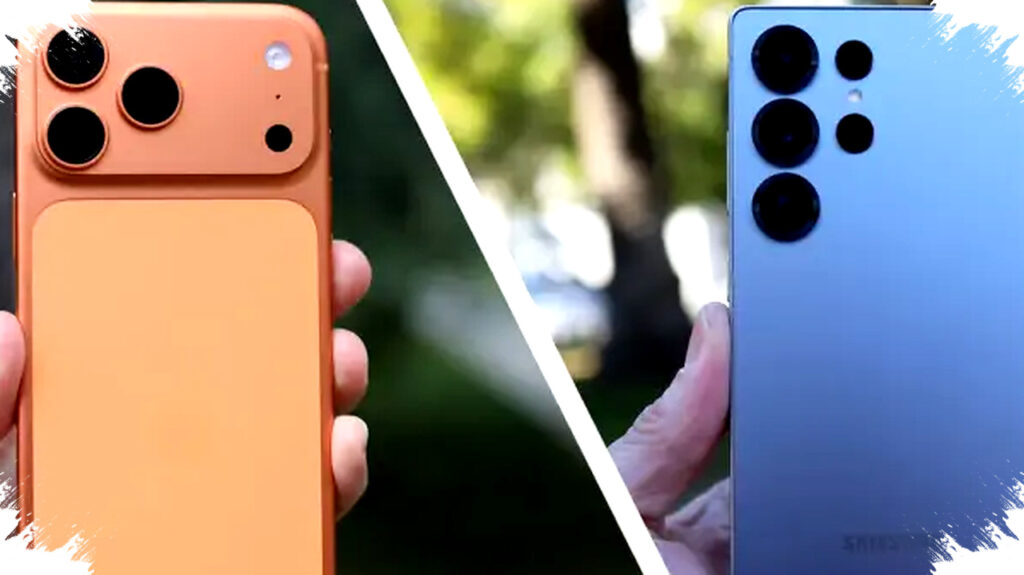
Samsung Galaxy S25 Ultra and iPhone 17 Pro Max are the latest flagship smartphones from two industry giants offering cutting-edge technology. Both devices showcase significant improvements in performance, camera capabilities, and AI integration, making the choice challenging for users planning to upgrade.
These phones represent the peak of what Android and iOS ecosystems can deliver in 2026, so understanding their key differences helps buyers decide which suits their daily needs best.
Pricing Comparison
In Indonesia, the Samsung Galaxy S25 Ultra is priced more competitively than the iPhone 17 Pro Max. Samsung offers two main variants:
- 12GB RAM / 256GB storage – around $1,360
- 12GB RAM / 512GB storage – around $1,495
During initial promotions, prices dropped to about $1,225 in official stores. Apple’s iPhone 17 Pro Max features a broader range of storage options:
- 256GB – approximately $1,700
- 512GB – approximately $2,040
- 1TB – approximately $2,310
- 2TB – nearly $2,990
The iPhone’s base model is roughly $270 to $340 more expensive than the equivalent Samsung variant, reflecting Apple’s premium positioning.
Design and Display
Both phones use premium materials, with Samsung employing a 6.9-inch Dynamic AMOLED 2X panel at QHD+ resolution. The 120Hz refresh rate ensures smooth visuals and responsiveness. A defining Samsung feature is the S Pen, which boosts productivity through note-taking and creative controls.
Apple’s iPhone 17 Pro Max also sports a 6.9-inch screen, utilizing Super Retina XDR OLED technology with ProMotion 120Hz refresh. Apple’s display calibration is industry-leading, praised for color accuracy, which benefits professionals involved in photo and video editing.
Performance and AI Capabilities
The Galaxy S25 Ultra is powered by Qualcomm’s Snapdragon 8 Elite chipset paired with up to 12GB RAM. This combination excels in gaming and multitasking. Samsung integrates ‘Galaxy AI,’ offering automatic translation, advanced photo editing, and productivity enhancements using artificial intelligence.
Conversely, the iPhone 17 Pro Max uses Apple’s A19 Pro chip, noted for its power efficiency and superior graphics rendering. Apple’s AI system, Apple Intelligence, tightly integrates with iOS features for photo processing, smart assistant functions, and seamless app management.
Both phones deliver fast, lag-free performance. Samsung appeals to users who value Android’s flexibility, while Apple offers unmatched ecosystem integration across iPhone, MacBook, iPad, and Apple Watch.
Camera Systems
Samsung’s camera array on the S25 Ultra is highly ambitious:
- 200MP main sensor
- 50MP ultra-wide
- 50MP telephoto
- 10MP additional telephoto lens
This setup captures extremely detailed images and supports powerful zoom capabilities for long-distance photography.
In contrast, Apple’s iPhone 17 Pro Max balances camera specs with three 48MP sensors:
- Main
- Ultra-wide
- Telephoto
The front camera is approximately 18MP. Despite relatively lower megapixels, Apple leads in video recording quality and stabilization, favored by content creators for consistent, natural footage.
Battery and Charging
The S25 Ultra houses a sizable 5,000 mAh battery with 45W fast charging support, sufficient for a full day of heavy use. Apple opts for battery optimization through its operating system, pairing a slightly smaller battery capacity with software efficiencies. The iPhone supports fast charging between 30W and 40W.
Choosing the Right Flagship
The decision between Samsung Galaxy S25 Ultra and iPhone 17 Pro Max hinges on user priorities. Galaxy S25 Ultra excels in flexibility, camera zoom range, and includes the productivity-focused S Pen. It offers a compelling value proposition with lower starting prices.
Meanwhile, iPhone 17 Pro Max appeals to users prioritizing system stability, premium video quality, and tightly integrated Apple ecosystem services. Its extensive storage options also serve heavy media users.
Both devices represent the forefront of smartphone technology in 2026, each tailored to distinct user preferences and workflows.