Electric vehicles (EVs) have evolved beyond their basic function of transportation. One innovative feature, known as Vehicle to Load (V2L), enables these cars to supply electricity to external devices during emergencies or routine travel stops. This functionality offers drivers a portable power source right from their vehicle’s battery.
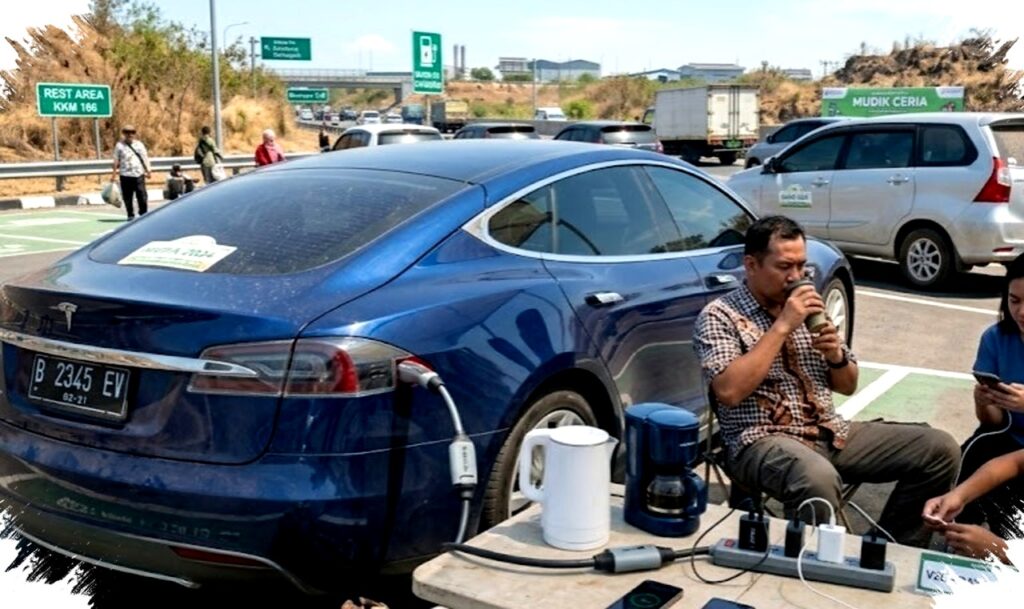
V2L technology is particularly handy for travelers on long journeys, such as those during holiday seasons or "mudik" in Indonesia. Access to traditional power outlets on the road can be scarce or unavailable. By using the energy stored in an EV’s battery, users can power or charge devices like smartphones, emergency lamps, and even small household appliances such as electric kettles.
How V2L Works
The core of the V2L system lies in an inverter. This device converts the DC (direct current) power stored in the vehicle’s battery into AC (alternating current) power compatible with everyday electronic devices. Most electric vehicles equipped with V2L come with a dedicated socket or adapter, allowing users to plug in various electronic devices safely.
Global automakers have integrated this feature into their electric models. Hyundai Motor Company, for instance, offers V2L in several of its EVs, highlighting its practicality during power outages or remote stops. The simplicity of activation means drivers only need to connect the V2L adapter to the car and then plug in their devices, turning the vehicle into a mobile power station instantly.
Practical Uses of V2L Feature
- Charging Mobile Devices: When traveling on highways or remote routes, reliable phone power can be critical for communication and navigation. V2L helps keep smartphones and tablets fully charged without searching for a charging station.
- Operating Small Appliances: In rest areas or during extended stops, travelers can use the EV’s power to operate portable electric kettles, allowing them to boil water for tea or instant meals. This feature enhances convenience where conventional cooking options are unavailable.
- Powering Emergency Equipment: In unexpected situations such as breakdowns at night, V2L can provide necessary power to emergency lights or communication devices, improving safety and comfort until help arrives.
Balancing Battery Usage and Driving Range
While V2L is highly beneficial, users must carefully manage the vehicle’s battery capacity. According to the International Energy Agency, modern EV batteries are large enough to support household-level power needs temporarily. Still, excessive or prolonged external use can reduce the vehicle’s driving range. Monitoring the remaining battery charge before activating V2L is essential to avoid running out of power for the journey itself.
Manufacturers typically set a maximum power output limit for the V2L function to protect the vehicle’s electrical system. These safeguards prevent overloads and maintain battery health, ensuring that both driving and auxiliary power needs can coexist safely.
Future Outlook of V2L Technology
As demand for electric vehicles grows worldwide, V2L and similar technologies are poised to become standard features. This innovation marks a shift in how EVs are perceived—not just as transportation but as integral parts of a flexible energy ecosystem. Vehicles with V2L capabilities can share stored energy with external devices and potentially with other vehicles or homes in the future.
Integrating V2L into travel routines, especially during events like holiday congestion or remote outdoor activities, will enhance the overall user experience. It promotes independence from fixed power infrastructure and gives drivers peace of mind, knowing they have a reliable energy source regardless of location.
Electric cars equipped with V2L also contribute positively to emergency preparedness. During natural disasters, power outages often disrupt essential services. Vehicles capable of powering small devices or communication tools can be critical resources for affected individuals.
By expanding the role of EVs beyond mobility, carmakers emphasize sustainability and convenience. Users gain the ability to adapt to various environments without compromising comfort or functionality. This dual-purpose design aligns with global trends toward renewable energy and smart tech integration.
The Vehicle to Load feature may soon redefine our expectations of electric cars. From cooking water on a roadside pit stop to charging multiple smartphones for a group trip, the feature enhances both convenience and safety. Its practical application during long trips, such as mudik, underscores how innovative automotive technology can address everyday challenges effectively.