


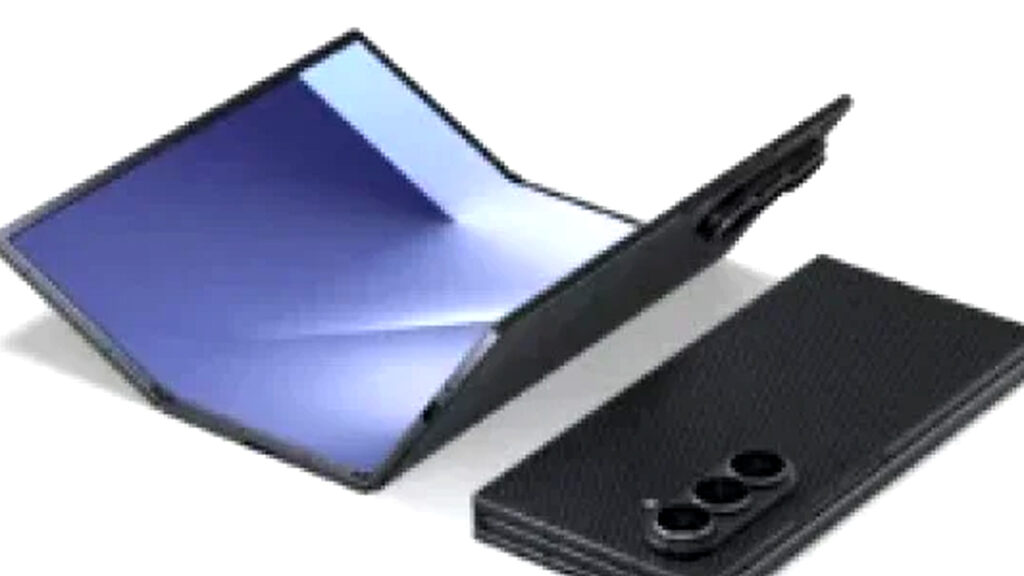
Samsung is gearing up to launch the highly anticipated Galaxy Z TriFold 2 around mid-2027. This next-generation foldable phone aims to address the major drawbacks of its predecessor, primarily by dramatically reducing its thickness. Early indications reveal Samsung’s commitment to refining the tri-fold design for enhanced usability and aesthetics.
The original Galaxy Z TriFold was removed from the global market just three months after its launch. Despite its premium price tag of approximately $3,000, Samsung swiftly prioritized development of the successor. This move underlines the first model’s role as a technological trial rather than a final product.
Revolutionary Design Improvements
Insider sources, including the well-known industry leaker yeux1122, confirm that Samsung has finalized a new hinge design. This improved mechanism allows the phone to fold more tightly without compromising screen durability. Users can expect a slimmer profile that feels more like a conventional smartphone when folded.
The initial model’s thickness reached 12.9 mm when closed, which many users found bulky and impractical for carrying or one-handed use. Samsung aims for the Galaxy Z TriFold 2 to be nearly as thin as the soon-to-be-released Galaxy Z Fold 7. This is ambitious given the complexity of the tri-fold system compared to the simpler foldable designs.
Besides a thinner chassis, Samsung plans to use advanced materials to significantly reduce the device’s weight. Screen quality is also getting a boost; the company is working to minimize the visibility of the two fold creases on the OLED screen. This improvement is vital since multiple folds have historically introduced distracting lines that detract from the viewing experience.
Expanded Innovation Beyond Tri-Folds
Samsung is not limiting its innovation to tri-fold phones alone. The firm is actively developing a manual sliding display concept. Unlike previous motorized slider prototypes, this model will transform from a smartphone to a 7-inch tablet using a manual slide mechanism. This approach blends flexibility with durability, potentially attracting different user preferences.
These ongoing efforts show Samsung’s commitment to experimental smartphone formats despite the early exit of its first tri-fold device. The projected mid-2027 release gives the company ample time to mature the technology and resolve earlier issues. Experts predict that the Galaxy Z TriFold 2 will reinforce Samsung’s leadership in the premium foldable phone segment worldwide.
Key Enhancements Expected in Samsung Galaxy Z TriFold 2
- Significantly thinner profile – aiming close to the thickness of Galaxy Z Fold 7 (~7.6 mm folded).
- New hinge technology – tighter fold and improved durability.
- Weight reduction – use of new, lighter materials.
- Improved screen quality – reduced visibility of fold creases on OLED displays.
- More ergonomic design – enhanced grip and usability for one-handed operation.
- Expanded device concepts – alongside tri-fold, manual sliding display development.
Samsung’s strategic pivot reflects its intention to establish clear leadership in the evolving foldable market. The company is keen to avoid repeating mistakes made with the initial TriFold, which lacked market longevity despite its innovative approach.
As 2027 approaches, consumers and industry watchers have much to look forward to. The Galaxy Z TriFold 2 promises to combine sleekness, functionality, and cutting-edge technology. If successful, it will reset expectations for what foldable smartphones can achieve in terms of design and user experience.