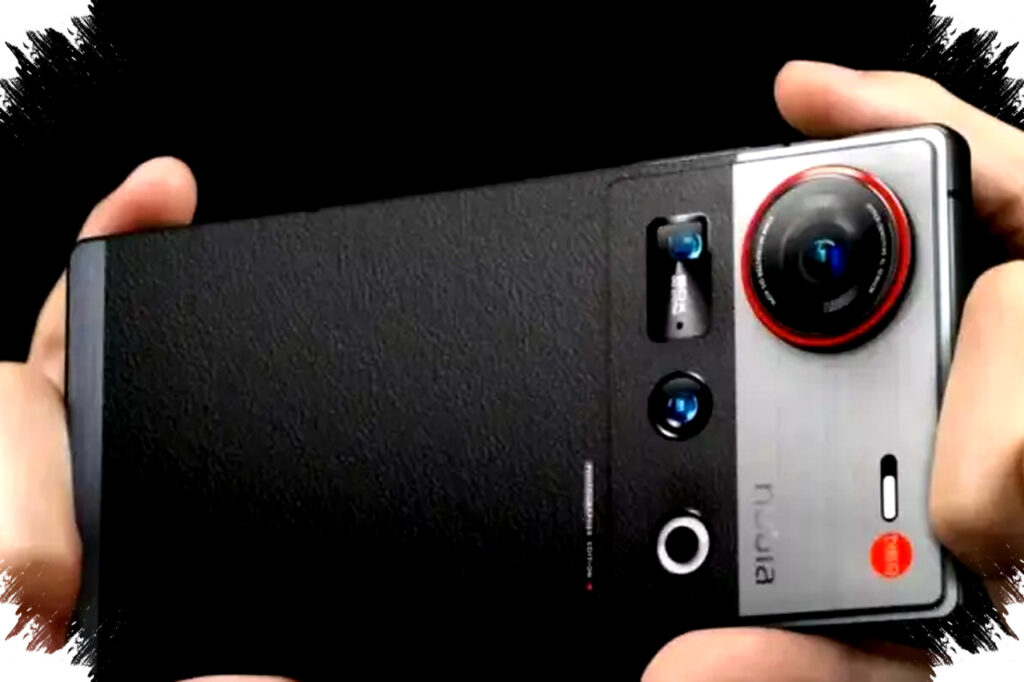
Nubia Technology’s latest flagship, the Nubia Z80 Ultra, is stirring excitement by integrating a groundbreaking AI system called OpenClaw AI. Unlike conventional smartphone AI features that operate as separate applications or rely heavily on cloud connectivity, OpenClaw is embedded natively within the device’s operating system. This integration allows AI to function as the core “brain,” directly managing system tasks with minimal user input.
This development represents a significant shift in AI’s role on smartphones. OpenClaw AI is designed not just to assist but to autonomously perform complex activities by accessing system apps, settings, and internal services. For instance, OpenClaw can seamlessly handle multi-step workflows like planning travel by opening maps, booking rides, and organizing schedules after a simple command. Such capability elevates user experience by offering swift, intuitive responses that feel natural and efficient.
Nubia has adopted a unique phased approach to rolling out this feature. Instead of an immediate global release, they launched an internal testing phase called the “Shrimp Farmer Program.” This initiative invites selected users to trial OpenClaw AI before the official launch, allowing Nubia to gather real-world feedback and refine the AI’s performance based on everyday usage rather than laboratory conditions. This user-centric development strategy aims to ensure a more polished and relevant AI integration upon mass availability.
OpenClaw AI as a Native System Feature
OpenClaw AI operates deeply integrated within the smartphone’s operating system architecture. Unlike typical AI assistants that respond only when explicitly activated, OpenClaw has the authority to interact across the entire system and proactively execute commands. This comprehensive access enhances automation, enabling OpenClaw to manage complicated tasks that span multiple apps without repeatedly prompting the user.
This native integration also means faster reaction times and lower latency, as OpenClaw processes data locally rather than relying on remote cloud servers. Privacy benefits are notable too, since sensitive command processing doesn’t need to be continuously sent over the internet. Overall, OpenClaw sets a new standard for on-device AI by functioning as an intrinsic component rather than a supplementary tool.
Nubia Z80 Ultra: Flagship Hardware Meets Advanced AI
Beyond AI innovation, the Nubia Z80 Ultra offers top-tier hardware specifications that ensure smooth performance for demanding applications. It runs on the Qualcomm Snapdragon 8 Ultra Gen 5 chipset, known for exceptional multitasking capabilities and high processing power suited for gaming and productivity.
Impressive photography features complement the device’s power. The Z80 Ultra is equipped with a 50MP “Master Eye” main camera lens with a large 1/1.3-inch sensor, optimized for sharp and detailed images. Its DCG (Dual Conversion Gain) HDR technology enhances photo quality in challenging lighting. To support photography enthusiasts, Nubia also offers an optional photography kit, providing further creative tools for users who prioritize mobile imaging.
On pricing, the Nubia Z80 Ultra is positioned in the premium mid-range segment. The base model starts at approximately $700 USD in China, making its combination of flagship-level features and AI capabilities accessible compared to other flagship smartphones.
Key Features of Nubia Z80 Ultra and OpenClaw AI
- Native AI integration with OpenClaw operating directly in the system for proactive automation.
- AI-driven task execution that simplifies multi-application commands.
- Qualcomm Snapdragon 8 Ultra Gen 5 chipset delivering flagship-grade performance.
- 50MP “Master Eye” camera with large sensor and advanced HDR for superior photography.
- Optional photography accessories kit for enhanced creative flexibility.
- Controlled rollout through the Shrimp Farmer Program for real-user testing and feedback.
- Competitive pricing starting at around $700 USD.
Potential Impact on the Smartphone Industry
Nubia’s approach with OpenClaw AI signals a future where smartphones evolve beyond passive tools into dynamic partners. Native system AI could dramatically shift how users interact with their devices by minimizing manual operational friction. If successful, this model might influence other manufacturers to embed AI deeper within operating systems rather than treating it as an add-on feature.
Moreover, the Shrimp Farmer Program’s real-world feedback channel highlights a growing trend toward involving users in the practical optimization of AI services. This participatory testing helps refine AI responsiveness, relevancy, and usability before mass deployment.
Broader Trends in AI Embedded Smartphones
Current AI implementations on smartphones mostly revolve around digital assistants like Siri, Google Assistant, or Bixby, which act primarily on voice commands and cloud-based processing. OpenClaw’s integration stands out by offering autonomous system management that includes cross-app coordination without waiting for explicit user input every step of the way.
The local processing aspect of OpenClaw aligns with increasing industry focus on privacy-preserving AI and reduced dependence on constant network connectivity. As AI technologies advance, more smart devices might adopt similar native integration approaches, making AI both faster and more secure.
The Nubia Z80 Ultra hence pioneers a promising direction in mobile AI, setting a high bar for future smartphone development.
Nubia’s innovation revolves around creating a deeper, more intelligent connection between user intent and device operation. Until now, AI’s scope on mobile devices was limited and fragmented. OpenClaw introduces a cohesive, proactive AI that enhances productivity and personalizes the smartphone experience at a system level.
By leading this AI integration trend, Nubia could redefine expectations for intelligent mobile assistants and inspire a new generation of smart devices that operate with greater autonomy and sophistication. This could transform how millions of users engage with their smartphones—turning devices into insight-driven companions rather than mere gadgets.