Demand for smartphones priced under IDR 3 million (around $200) continues to rise in Indonesia as 2026 approaches. Consumers increasingly seek affordable devices capable of supporting daily digital activities like social media, streaming, and light gaming. Smartphones in this price range balance cost and performance efficiently, fulfilling the need for reliable gadgets that handle communication, entertainment, and mobile work.
The surge in popularity is partly driven by yearly events such as Ramadan and Lebaran, when many buyers use their holiday bonuses to upgrade their devices. Leading brands—Xiaomi, Samsung, Infinix, and Tecno—offer competitive models with advanced specs, making the sub-$200 segment a dynamic and fiercely competitive market.
Top 5 Smartphones Under $200 for Daily Use in 2026
Consumers can now choose from several outstanding models that deliver high-end specifications without breaking the bank. The top five best-selling smartphones under IDR 3 million ($200) include:
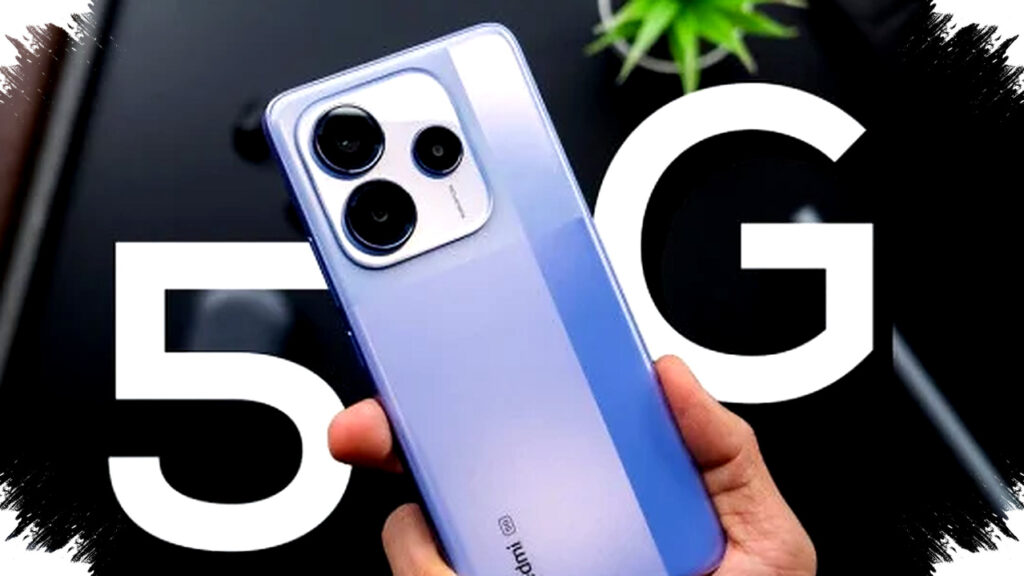
- Xiaomi Redmi Note 14 5G
- Infinix Note 40 Pro 5G
- Samsung Galaxy M14 5G
- Tecno Camon 40 5G
- POCO X7 5G
These devices feature AMOLED displays with 120Hz refresh rates for smooth visuals and support 5G connectivity for fast and stable internet. Camera setups range from 50MP to a remarkable 108MP with optical image stabilization (OIS) and 4K video recording capabilities, rivaling mid-range phones from previous years. Battery capacities commonly exceed 5,000 mAh with support for fast charging exceeding 45W.
Raising the Bar: High-End Specs in Budget Phones
Market data shows that budget smartphones in 2026 now incorporate specifications that were once exclusive to premium segments. RAM options range from 8GB to 12GB, enabling seamless multitasking and better performance for demanding apps. The inclusion of high-refresh-rate AMOLED screens improves user experience during content consumption, especially streaming and gaming.
Such advancements reflect intensifying competition among brands, resulting in more value for consumers. The affordability combined with premium features has increased the rate at which users replace their phones. This phenomenon is supported by the broader availability of 5G networks across Indonesia, establishing 5G capability as a new standard even at low price points.
Impact of Affordable Smartphones on the Indonesian Market
The sub-$200 price tier is transforming consumer behavior and industry strategies. Buyers prioritize not just price but the ability to handle everyday digital demands without lag or buffering issues. Devices in this range support popular platforms such as TikTok, YouTube, and other streaming apps, which require stable performance and good screen quality.
In response, manufacturers optimize hardware and software efficiency to ensure smooth media streaming and responsive social media interactions. This shift accelerates smartphone upgrade cycles, as users are keen to move to devices with better cameras, faster processors, and enhanced battery life when they become available at affordable prices.
Tips for Choosing the Best Affordable Smartphone
Consumers looking for a daily driver smartphone under $200 should consider specific criteria based on their personal needs. For gamers, stable chipsets combined with ample RAM are essential to avoid buffering and stuttering during gameplay. Content creators should prioritize phones with superior camera quality and video recording options.
For general daily use, long battery life and an efficient operating system take precedence to ensure uninterrupted communication and entertainment. It is advisable to compare official prices, read trusted reviews, and assess specs carefully to avoid misleading promotions. Awareness of trade-offs ensures users make informed purchases, maximizing their budget while meeting their performance expectations.
This segment’s rapid growth reflects a broader trend toward feature-rich but budget-friendly smartphones, bridging affordability and power. As technology accessibility improves, even entry-level phones are now equipped to handle streaming and multitasking with minimal buffering or slowdown—matching the evolving lifestyle of the modern Indonesian consumer.