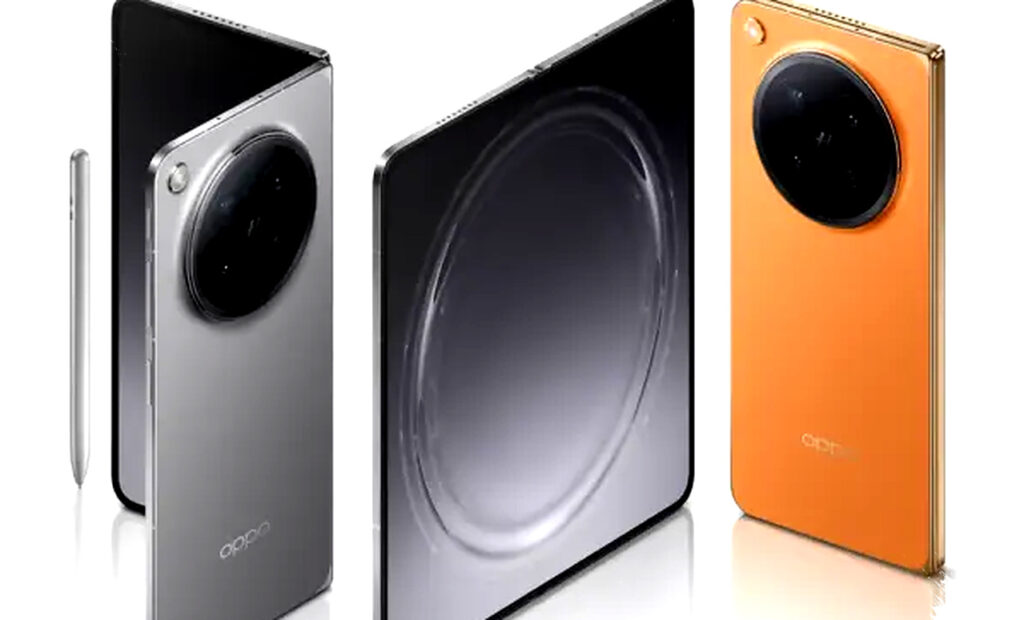
Oppo Find N6 has made its official debut, and the biggest headline is not just its foldable form factor but its near crease-free inner display. The company is pushing the foldable category forward with a new hinge system and display materials designed to make the folding line almost invisible in daily use.
That matters because the crease has long been one of the most obvious weaknesses of foldable phones. With Find N6, Oppo is trying to turn that compromise into a less noticeable detail, while also adding flagship-class hardware, stronger durability, and long software support.
A foldable screen that aims to feel flatter
The most important upgrade sits in Oppo’s second-generation Titanium Flexion hinge. The company says the hinge is wider and more flexible, which helps spread pressure more evenly across the display when the phone bends.
Oppo also uses high-precision scanning down to 0.3 micrometers to refine the hinge surface. Combined with a special polymer layer built with 3D liquid printing, the result is a screen that is meant to look and feel far smoother when opened.
In practical terms, that means the inner panel should feel more like a tablet display and less like a foldable panel with a visible seam. Oppo describes the effect as a “zero-feel crease” experience, which is a clear signal that it wants the display to be one of the Find N6’s main selling points.
Why the hinge matters for durability
Foldable phones often face two questions from buyers: how visible is the crease, and how long will the device last. Oppo appears to be answering both with the same engineering approach.
Because the hinge spreads stress more evenly, the panel should face less concentrated pressure in daily folding and unfolding. That could help reduce long-term wear, especially in a device category where mechanical stress is always part of the design challenge.
The company also highlights a faster return to a flat shape thanks to its updated Flex Glass layer. This helps the screen recover quickly after being folded, which should improve the feel of opening and closing the device many times throughout the day.
What Oppo Find N6 brings beyond the display
The display may grab the spotlight, but the rest of the hardware clearly targets the premium segment. Oppo equips the Find N6 with the Snapdragon 8 Elite Gen 5, a high-end chipset built for demanding multitasking, gaming, and productivity work.
Memory and storage options go up to 16GB of RAM and 1TB of internal storage. That makes the phone suitable for users who want to edit videos, switch between many apps, or store large amounts of files without worrying about space.
The battery is also notable for a foldable. Oppo uses a 6,000mAh silicon-carbon battery, which is a strong capacity for this category and helps the phone stay thin enough to remain pocket-friendly.
Charging speeds are equally aggressive, with 80W wired charging and 50W wireless charging. For many users, that combination reduces the usual trade-off between battery size and charging convenience.
Camera setup focuses on detail and color
Oppo also positions the Find N6 as more than a display showcase. The phone includes a 200MP main camera based on Samsung’s ISOCELL HP5 sensor, which should deliver very detailed shots in good lighting and give the device stronger flexibility for cropping.
A True Color sensor supports more accurate color reproduction, while the 50MP ultra-wide camera with autofocus adds more versatility for landscapes, group photos, and closer subjects. That setup suggests Oppo wants the Find N6 to compete not only as a foldable phone, but also as a serious imaging device.
The display system continues the premium theme. Oppo uses LTPO 120Hz panels on both the outer and inner screens, and it says brightness has been improved to make outdoor use easier under direct sunlight.
Software support and durability add long-term value
The Find N6 runs Android 16 with ColorOS 16 out of the box. That places it among the first wave of devices with the latest software base, which is important for buyers who want a future-ready platform.
Oppo also promises five years of operating system updates and six years of security updates. That is an important competitive point, especially in the premium phone market where buyers expect long-term support.
Durability is another area where Oppo is trying to reduce hesitation around foldables. The Find N6 carries IP56, IP58, and IP59 protection claims, signaling stronger resistance to dust and water exposure than many older foldables.
Price positions it firmly in the premium class
The Find N6 is not meant to be a cheap foldable. The base model starts at around $1,500, while the top version reaches about $2,100, placing it squarely in flagship territory.
That pricing reflects both the engineering behind the hinge and the high-end component list. Foldables still command a premium because they combine complex mechanics, advanced panels, and specialized protective design in one device.
For buyers, the real question is whether Oppo’s improvements make the premium feel easier to justify. A near crease-free screen, higher durability, large battery, and strong camera system all help the Find N6 look more complete than earlier generations of foldables.
Key highlights of Oppo Find N6
- Titanium Flexion hinge, second generation.
- Near crease-free inner display with 0.3-micrometer precision scanning.
- Snapdragon 8 Elite Gen 5 chipset.
- Up to 16GB RAM and 1TB storage.
- 6,000mAh silicon-carbon battery.
- 80W wired and 50W wireless charging.
- 200MP main camera with ISOCELL HP5 sensor.
- Android 16, ColorOS 16, and long update support.
- IP56, IP58, and IP59 durability claims.
The launch of Oppo Find N6 shows how far foldable phones have moved from experimental devices toward more polished flagship products. With a nearly crease-free display, stronger battery life, and a more durable build, Oppo is clearly aiming to make the foldable experience feel less like a compromise and more like a premium everyday phone.