


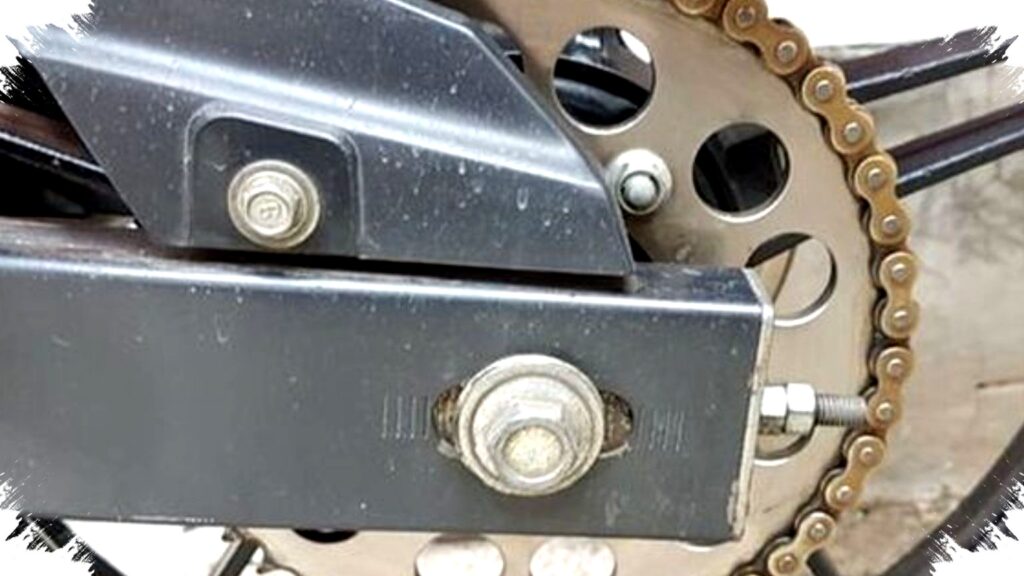
Long-distance holiday travel often leaves a motorcycle chain coated with dust, mud, and road grime. If riders skip proper care after the trip, the chain can wear faster, run noisier, and affect overall riding comfort.
The right maintenance routine is simple, but it has to be done in the correct order. Clean the chain first, dry it completely, then apply a quality chain lube evenly so the protective layer can work without trapping more dirt.
Why post-trip chain care matters
A motorcycle chain works under constant friction, heat, and exposure to the outside environment. After a long ride home, especially on mixed road conditions, dirt can stick to the links, rollers, and sprockets and gradually reduce efficiency.
When grime mixes with old lubricant, the chain can turn into an abrasive surface. That can accelerate wear on the chain, sprockets, and even the drivetrain, which is why routine cleaning after a long journey is not just cosmetic care.
Start with a full cleaning
The first step is removing all visible contamination before adding any lubricant. Use water with mild soap or a dedicated chain degreaser, then scrub carefully with a soft brush or an old toothbrush to reach the narrow spaces between links.
This step matters because fresh lubricant cannot bond properly to a dirty surface. If dust and mud stay on the chain, the new lube will sit on top of the grime instead of protecting the moving parts.
- Park the motorcycle on a stable surface or center stand.
- Spray or apply chain cleaner to the full chain surface.
- Brush the links, rollers, and side plates gently.
- Rinse or wipe the chain clean, depending on the cleaner used.
Avoid harsh cleaning fluids
Do not use gasoline to clean the chain. Fuel may damage the chain seal and strip away the lubricant that protects the internal parts, which can shorten chain life.
Motorcycle maintenance experts generally recommend products made for chain care because they are formulated to break down grease without harming rubber seals. That is especially important for sealed chains, which rely on those internal components for durability.
Dry the chain completely
After washing, let the chain dry fully before applying any lubricant. Moisture prevents chain lube from adhering well and can dilute the protective layer once the bike moves again.
A clean microfiber cloth works well for removing surface water. If needed, allow the motorcycle to sit for a few minutes in a shaded, ventilated place until no visible moisture remains on the chain.
Apply chain lube evenly
Use a chain-specific lubricant, not general-purpose oil, and apply it slowly while rotating the rear wheel. Aim at the inner side of the chain so the lube can reach the rollers and the areas that make direct contact during rotation.
Many riders make the mistake of spraying too much in one spot. A thin, even layer usually works better because it provides protection without creating excess buildup that attracts dust.
Simple lubrication steps
- Warm the chain slightly by riding for a short distance before maintenance.
- Position the motorcycle securely.
- Rotate the rear wheel slowly by hand.
- Spray or apply chain lube to the inner lower run of the chain.
- Continue until the full chain has a light, even coating.
Working on a slightly warm chain can help the lubricant penetrate better between the moving parts. Heat opens the spacing between components just enough to help the product settle more effectively.
Wipe away excess lubricant
Once the lube has been applied, remove the extra residue with a clean cloth. This step is important because thick buildup can collect dust, sand, and road debris during the next ride.
A chain that looks overly wet is usually over-lubricated. A cleaner finish helps the chain stay protected longer and keeps the surrounding wheel area from becoming dirty too quickly.
Check chain tension and condition
Chain lubrication after a long trip should also include a quick inspection. Look at the chain slack, sprocket condition, and visible signs of stiffness, rust, or uneven wear.
If the chain feels too loose or too tight, adjust it according to the motorcycle manufacturer’s specifications. A badly adjusted chain can create vibration, poor response, and faster wear even if it is well lubricated.
Key things to inspect after mudik travel
| Check item | What to look for | Why it matters |
|---|---|---|
| Chain slack | Too loose or too tight | Affects smooth power delivery |
| Dirt buildup | Mud, sand, sticky residue | Can speed up wear |
| Rust spots | Brown or dry sections | Signals lack of protection |
| Sprocket teeth | Hooked or uneven shape | May indicate replacement is due |
| Chain noise | Clicking or rattling | Often means cleaning or adjustment is needed |
How often should the chain be serviced?
For daily riders, chain care should not wait until the chain looks dirty. In normal conditions, many mechanics suggest checking and cleaning it regularly, especially after rain, long-distance travel, or dusty road use.
After a long holiday return trip, the chain deserves immediate attention because the exposure level is usually higher than on short city rides. Even a single neglected journey can leave enough grit behind to affect performance over time.
What experts emphasize about chain longevity
Preventive maintenance usually costs less than replacing a worn chain and sprocket set. Industry maintenance guidance consistently points to the same principles: clean first, dry fully, lubricate with the correct product, and inspect tension.
That approach also supports safer riding because a well-maintained chain transfers power more smoothly. When the drivetrain works properly, the motorcycle feels more stable, responsive, and comfortable on the road.
Why the right lube matters
Not every lubricant performs the same way. Chain lube is designed to cling to metal surfaces and resist fling-off better than ordinary oil, while also helping reduce friction between moving parts.
Using the wrong product can create two problems at once: poor protection and faster dirt accumulation. That is why riders should choose a quality chain lube and avoid improvised substitutes that may not suit modern motorcycle chains.
A practical post-travel routine
The best time to service the chain is soon after returning from the trip, before dirt hardens. If the motorcycle was exposed to rain, mud, or long highway stretches, a more detailed clean is worth the extra time.
After cleaning and lubrication, take a short test ride and listen for unusual noise. If the chain still sounds rough or looks dry, repeat the inspection rather than adding too much lubricant at once.
Keeping the chain clean and properly lubricated after long-distance travel helps preserve drivetrain performance and extends component life. Riders who make this routine part of every return trip are more likely to keep their motorcycles quieter, smoother, and ready for the next ride.