


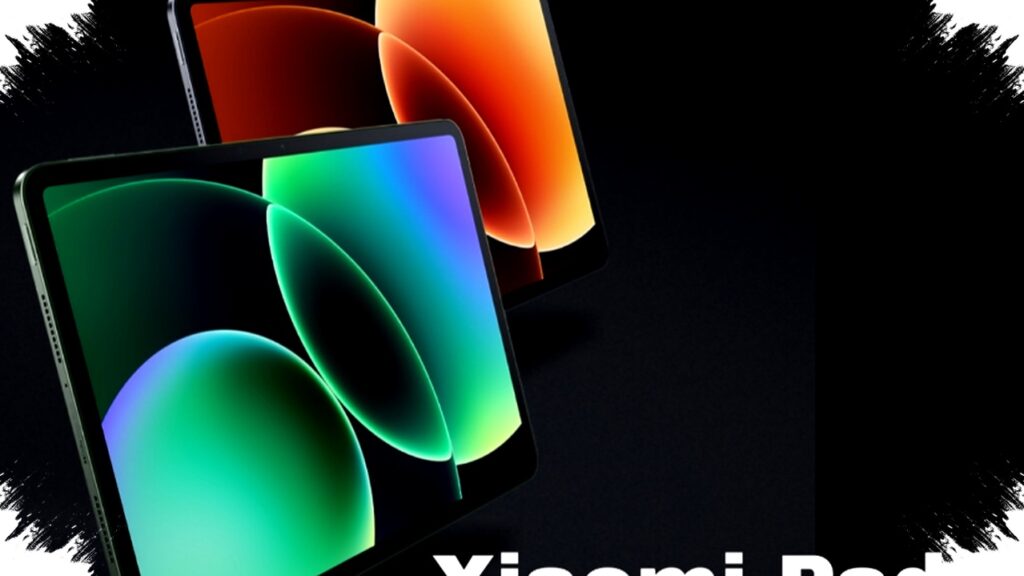
Xiaomi has officially introduced the Pad 8, signaling a stronger push in the mid-range Android tablet market. The device is expected to arrive in Indonesia soon, and early information suggests it brings meaningful upgrades in performance, display quality, battery life, and AI-powered features.
The Pad 8 follows the Xiaomi Pad 7 and aims to answer a common buyer demand: a tablet that can handle work, entertainment, and light creative tasks without moving into premium pricing territory. With that positioning, Xiaomi is targeting users who want a fast, practical tablet that feels more advanced than a basic media device.
A clearer upgrade over the previous generation
Xiaomi designed the Pad 8 as more than a routine refresh. Compared with the Pad 7, the new model is reported to deliver better responsiveness across multitasking, productivity, and entertainment use cases.
That matters because the mid-range tablet segment now faces stronger pressure from both Android rivals and entry-level premium tablets. Users expect smoother app switching, faster system response, and a display that can support everything from video playback to note-taking.
According to the reference report, the Pad 8 is built to feel more fluid when opening many apps at once, running office tasks, or playing games. In practical terms, that should make it more appealing to students, professionals, and casual users who need one device for several daily needs.
Performance tuned for everyday speed
The biggest selling point of the Xiaomi Pad 8 appears to be performance. Xiaomi says the device offers an improvement that is noticeable in everyday use, especially when handling multitasking and heavier workloads.
This kind of upgrade is important because tablets in this class often struggle when users move beyond simple streaming or browsing. A smoother processor setup can improve everything from document editing to split-screen work, which now matters more for buyers who use tablets as laptop companions.
Here are the main activity areas where Xiaomi says the Pad 8 is stronger:
- Running multiple apps at the same time.
- Supporting work-related tasks with better responsiveness.
- Handling entertainment such as video playback with less lag.
- Improving the experience for casual gaming.
- Making general navigation feel faster and more stable.
That combination gives the Pad 8 broader appeal than a standard media tablet. It also helps Xiaomi compete against other mid-range options that often prioritize one strength but fall short in overall balance.
Display improvements aim at a better viewing experience
Xiaomi has also upgraded the display side of the tablet, which remains one of the most important elements for buyers. A better panel can improve both entertainment and productivity, especially for users who spend long periods on screen.
The reference article says the Pad 8 brings a panel with improved visual quality and faster response. That should translate into a more immersive viewing experience while also helping tasks like sketching and light photo or video editing.
For a tablet in this segment, display refinement often affects how premium the device feels in daily use. A responsive screen can make handwriting, drawing, and scrolling feel more natural, while stronger image quality helps when watching films, attending online classes, or reviewing documents.
Battery life gets a practical boost
Battery endurance is another major focus for Xiaomi. The company says the Pad 8 comes with a larger battery capacity, which should allow longer use before needing a recharge.
For mobile users, this matters as much as raw speed. A tablet that can last through work sessions, classes, or travel without frequent charging becomes significantly more useful than one that only performs well on paper.
Longer battery life also supports the Pad 8’s positioning as a versatile device. If users can depend on it for a full day of mixed use, it becomes easier for the tablet to replace a laptop in lightweight scenarios or serve as a secondary device for commuters and students.
AI features become a key part of the pitch
One of the most interesting parts of the Xiaomi Pad 8 is its stronger AI integration. Xiaomi says the tablet includes smart technologies intended to improve comfort, efficiency, and productivity.
That likely means the tablet is not only faster in the traditional hardware sense, but also more adaptive in how it handles tasks. AI-based features may help optimize performance automatically, improve visual output, and assist with productivity workflows.
These are the types of functions that increasingly define modern tablets. Buyers now expect devices to do more than just run apps; they want systems that can anticipate usage, reduce friction, and simplify repetitive actions.
Why the Xiaomi Pad 8 matters in the mid-range market
The tablet market has become more competitive, especially in the middle tier where consumers compare value very closely. Xiaomi appears to be using the Pad 8 to strengthen its position with a device that offers more advanced performance without moving into flagship pricing.
That strategy could work well because the Pad 8 sits in a sweet spot for buyers who want a balanced feature set. It offers a mix of speed, a better display, improved battery life, and AI support, which makes it more versatile than many budget-focused tablets.
The competition is also important here. The report notes that the Pad 8 is positioned as a serious rival to devices such as the iPad 11-inch. While Apple’s tablet ecosystem remains a major benchmark, Xiaomi is clearly trying to offer a different value proposition through affordability and practical upgrades.
What buyers may value most from the Pad 8
Before the tablet reaches more markets, these are the features likely to attract the most attention:
- Stronger performance for multitasking and work.
- Better display quality for media and creative tasks.
- Larger battery capacity for longer daily use.
- AI-powered features that improve efficiency.
- A more competitive price position in the mid-range category.
For many users, that mix is more important than chasing premium specifications. It reflects how the tablet market is moving toward devices that can serve both entertainment and productivity without forcing buyers to overspend.
A stronger signal of Xiaomi’s tablet strategy
The launch of the Xiaomi Pad 8 also shows how Xiaomi continues to expand its tablet business globally. The company has been active in the Android tablet space for years, but the current generation of users expects more refined software support and smarter hardware integration.
By focusing on performance and AI, Xiaomi is responding to those expectations directly. If the Pad 8 arrives in Indonesia with the same core advantages described in the initial launch report, it could become one of the more interesting Android tablet options available in 2026.
For local buyers, the real question will be how Xiaomi prices the device and how it matches up against other mid-range tablets already on the market. The hardware story looks stronger than before, and the combination of speed, battery, and AI gives the Pad 8 a clear identity in a segment that increasingly rewards practical upgrades over cosmetic changes.