


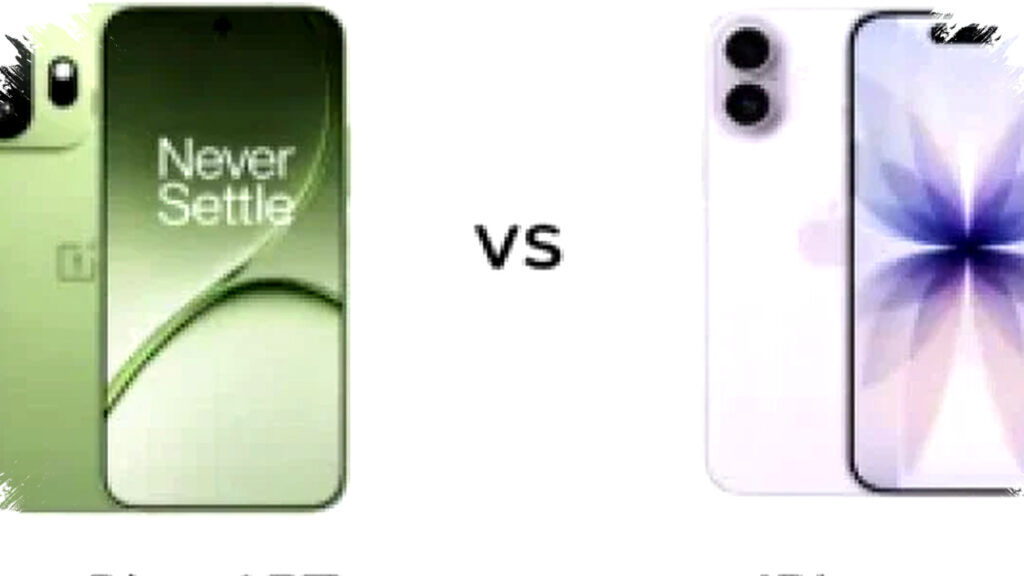
The comparison between OnePlus 15T and iPhone 17 comes down to two different ideas of what a premium phone should be. OnePlus pushes raw hardware with a giant 7,500mAh battery, 100W fast charging, and a 165Hz display, while Apple leans on the A19 chip, tighter software integration, and long-term consistency.
For many buyers, this is not just a spec-sheet contest. It is a choice between endurance and speed on one side, and efficiency and ecosystem polish on the other.
OnePlus 15T Takes the Battery Lead
The biggest headline in this matchup is battery size. OnePlus 15T is built with a 7,500mAh battery, a figure that places it far ahead of most mainstream flagships and gives it a clear advantage for heavy users.
That capacity matters for people who game, stream video, navigate with GPS, or spend long hours on mobile data. With 100W wired charging support, OnePlus also reduces downtime, which makes the phone more practical for users who prefer quick top-ups instead of overnight charging.
Apple does not chase that kind of number. iPhone 17 still follows a more conservative battery strategy, where software optimization and power efficiency are expected to carry more weight than sheer capacity.
Chip Strategy: Snapdragon Power vs Apple A19 Efficiency
Performance is another area where the two phones aim at different priorities. OnePlus 15T uses the Snapdragon 8 Elite Gen 5 platform, a chip built to handle demanding workloads, high-frame-rate gaming, and sustained multitasking.
The iPhone 17 answers with Apple A19, which is designed less for headline-grabbing benchmark bragging and more for efficient system performance. Apple has long relied on deep hardware-software integration to keep day-to-day use smooth, stable, and responsive over time.
This difference is important because raw power does not always translate into the best real-world experience. If a user wants faster charging, higher refresh rates, and more aggressive performance tuning, OnePlus has the stronger pitch.
Display Advantage Goes to OnePlus
OnePlus 15T also has a strong case in the display department. It uses an AMOLED panel with a 165Hz refresh rate, which should make scrolling, gaming, and general navigation feel very fluid.
The panel is also said to offer higher peak brightness and advanced PWM dimming, which can improve comfort in brighter outdoor conditions and during longer viewing sessions. For users who notice motion smoothness immediately, this is one of the clearest selling points in the OnePlus camp.
iPhone 17 uses an LTPO OLED display with the familiar 120Hz class experience. Apple may not lead on the refresh-rate number, but it continues to emphasize color accuracy and carefully tuned HDR rendering, which often appeals to creators and users who value natural-looking output.
Design Philosophy Shows Two Different Targets
The physical design of each phone reflects its broader strategy. OnePlus 15T uses an aluminum frame and a special fiber back panel, aiming for a sturdy build that still feels modern and lightweight in use.
It also stands out with IP68 and IP69K protection, which gives it stronger resistance to dust and water exposure, including harsher environments. That level of protection is unusual in the premium smartphone segment and adds real-world durability value.
iPhone 17 takes a more refined route with glass and aluminum materials plus Ceramic Shield 2. The result is a classic premium Apple look that feels more polished and familiar to long-time iPhone users.
Camera Priorities Are Not the Same
Photography is another area where the two brands separate their identity. OnePlus 15T includes a 3.5x telephoto camera, which gives it more flexibility for zoom shots and distant subjects.
That can be useful for travel, concerts, portraits, and everyday moments where digital zoom would usually lose detail. Users who want more camera versatility without moving into ultra-premium pricing may see this as a key advantage.
iPhone 17, however, remains especially strong in video recording. Apple continues to lead with Dolby Vision processing and a reputation for stable, natural-looking video that is widely trusted by creators, social media users, and casual shooters alike.
Memory and Storage Reflect Different Ecosystems
The memory setup also reveals how different these phones are. OnePlus 15T can go up to 16GB of RAM and uses UFS 4.1 storage, which should help with app loading, file handling, and heavy multitasking.
Apple keeps iPhone 17 at 8GB of RAM, but iOS is built to work efficiently with that amount. Apple’s control over both hardware and software allows it to extract strong performance without relying on larger memory specs.
For buyers, the decision is simple in theory but harder in practice. OnePlus offers more visible hardware headroom, while Apple offers a system that often feels smoother than the numbers suggest.
Key Differences at a Glance
| Category | OnePlus 15T | iPhone 17 |
|---|---|---|
| Battery | 7,500mAh | Smaller, efficiency-focused |
| Charging | 100W wired | More conservative charging |
| Chip | Snapdragon 8 Elite Gen 5 | Apple A19 |
| Display | 165Hz AMOLED | 120Hz LTPO OLED |
| RAM | Up to 16GB | 8GB |
| Storage | UFS 4.1 | Apple storage system |
| Durability | IP68/IP69K | Ceramic Shield 2 |
| Zoom camera | 3.5x telephoto | Strong video focus |
Who Should Choose Which Phone
- Choose OnePlus 15T if you value battery life, fast charging, and a high-refresh display.
- Choose OnePlus 15T if you want more RAM, stronger rugged protection, and a clearer focus on gaming and heavy use.
- Choose iPhone 17 if you care more about ecosystem consistency, long-term software support, and polished daily performance.
- Choose iPhone 17 if video quality, brand familiarity, and Apple’s app and accessory integration matter most to you.
Price positioning also helps shape the debate, even when exact figures vary by market. In general, OnePlus tends to offer more visible hardware at a more aggressive value proposition, while Apple maintains premium pricing by leaning on brand strength, software support, and a highly integrated user experience.
In a market where many flagship phones start to look similar, OnePlus 15T and iPhone 17 show that the best phone depends on what the user needs most. The OnePlus 15T is built for endurance, speed, and tangible specs, while the iPhone 17 is built for efficiency, video strength, and the long game of Apple’s software ecosystem.