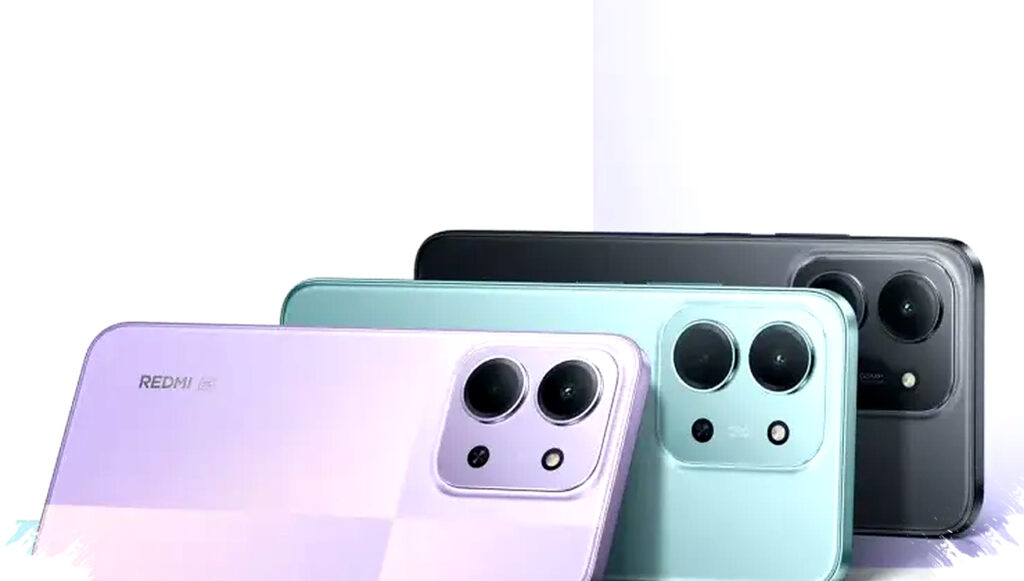
Xiaomi’s Redmi brand has launched the Redmi 15A 5G in India, positioning the phone as a budget-friendly option for users who want 5G connectivity without moving into a higher price tier. The device went on sale on 27 March 2026 and centers its appeal on a 6,300mAh battery, a 120Hz display, and the Unisoc T8300 chipset.
The launch fits Xiaomi’s broader strategy in India, where demand for affordable 5G phones remains strong. It also shows how the company continues to target entry-level buyers who prioritize battery life, smooth screen performance, and basic daily usability over premium features.
What the Redmi 15A 5G brings to the entry-level segment
Redmi has built the 15A 5G around practical features rather than headline-making hardware. That approach matters in markets like India, where many buyers still look for a low-cost upgrade from 4G to 5G and prefer a device that can handle a full day of use without frequent charging.
The phone uses the Unisoc T8300 chipset, a platform aimed at keeping costs in check while still supporting 5G networks. In practical terms, that should make the handset suitable for common tasks such as messaging, browsing, video streaming, and social media use.
Key specifications at a glance
Here is a simple overview of the main points highlighted at launch:
| Feature | Redmi 15A 5G |
|---|---|
| Launch market | India |
| Launch date | 27 March 2026 |
| Chipset | Unisoc T8300 |
| Connectivity | 5G |
| Battery | 6,300mAh |
| Display | 120Hz refresh rate |
| Segment | Entry-level |
The combination of a large battery and a high refresh rate display is notable in this price category. Devices in the entry-level segment usually make compromises on either screen smoothness or battery size, but Redmi is clearly trying to differentiate the 15A 5G on both fronts.
Why the 6,300mAh battery is the main selling point
Battery life is likely to be the strongest reason for interest in the Redmi 15A 5G. A 6,300mAh battery is large by any standard and especially attractive in the budget segment, where many buyers want a phone that can last through long workdays, travel, and heavy app usage.
Xiaomi appears to be aiming at users who need reliable endurance more than advanced photography or premium materials. For many first-time 5G buyers, that trade-off makes sense because a bigger battery improves the everyday experience in a very visible way.
A battery of this size should also appeal to users in markets where power access can be inconsistent or where phones are used for extended periods outside the home. That is one reason battery capacity remains one of the most important specifications in affordable smartphones.
120Hz display and the push for smoother visuals
The Redmi 15A 5G also offers a 120Hz refresh rate display, which is a strong addition for an entry-level phone. A higher refresh rate allows the screen to update more frequently, making scrolling, app switching, and some light gaming feel smoother.
This feature has become more common in mid-range models, so its inclusion here suggests Xiaomi wants the device to stand out in a crowded budget market. For many users, the difference may be most noticeable when browsing apps, reading feeds, or moving through menus.
The screen size was described as large, which also supports Xiaomi’s user-friendly positioning. A bigger display often works well for video, messaging, and general media consumption, especially among younger buyers.
What the camera setup implies
Xiaomi has not positioned the Redmi 15A 5G as a camera-focused smartphone. The camera system is tuned for the entry-level class and is intended for everyday documentation rather than advanced photography.
That means users can expect the basics: casual photos, quick videos, and content for social media. It is a familiar formula for budget devices, where brands usually prioritize battery, display, and network support over more expensive camera hardware.
Still, a simple camera system can be enough for the target audience. Many buyers in this segment care more about dependable performance and battery endurance than multi-lens complexity or high-end imaging features.
Design and target audience
The phone follows Redmi’s familiar minimalist design language, with color choices aimed at younger users. Xiaomi also appears to have kept ergonomics in mind, which matters when a device is built around a large battery and expected to be used for long stretches.
That design direction supports the broader product strategy. Redmi 15A 5G is not trying to compete with premium phones on materials or slimness, but on usefulness and affordability.
This makes the device especially relevant for students, first-time smartphone buyers, and budget-conscious consumers who want a modern Android phone with 5G support. It may also appeal to users who want a secondary phone with strong endurance.
Xiaomi’s place in the affordable 5G race
The launch comes as phone brands continue to compete aggressively in the low-cost 5G segment. Xiaomi has long used the Redmi line to defend its position in this part of the market, especially in India, which remains one of its most important regions globally.
India is also a strategic test bed for affordable 5G phones because the market combines rising network adoption with strong price sensitivity. Phones like the Redmi 15A 5G are designed to capture consumers who want to move to 5G without paying mid-range prices.
That strategy is consistent with Xiaomi’s recent approach: offer competitive specifications at a controlled cost, then use its scale and brand recognition to stay visible in a crowded market. The 15A 5G adds another option to that portfolio.
What buyers will likely compare before purchasing
Before choosing the Redmi 15A 5G, buyers will probably weigh several practical factors. These are the main ones that matter most in this category:
- Battery endurance versus charging speed
- Display smoothness versus panel quality
- 5G support versus overall performance
- Camera basics versus competing entry-level phones
- Price and local availability versus imported alternatives
For many consumers, the battery and display may outweigh other considerations. That is especially true if the phone is used mainly for communication, streaming, and everyday apps.
Availability beyond India remains unclear
At the moment, Xiaomi has only confirmed the Redmi 15A 5G for India. There is no official word yet on whether the device will reach other markets, including Indonesia.
That said, Xiaomi has often used India as a launch point for affordable devices that later appear in other Asian markets with some changes in configuration or pricing. If that pattern continues, the Redmi 15A 5G could eventually become relevant outside India as well.
For now, the phone stands as another example of how the entry-level smartphone market is evolving. Even at lower prices, buyers are increasingly expecting 5G, long battery life, and smoother displays, and Redmi is clearly building the 15A 5G to meet those expectations.