


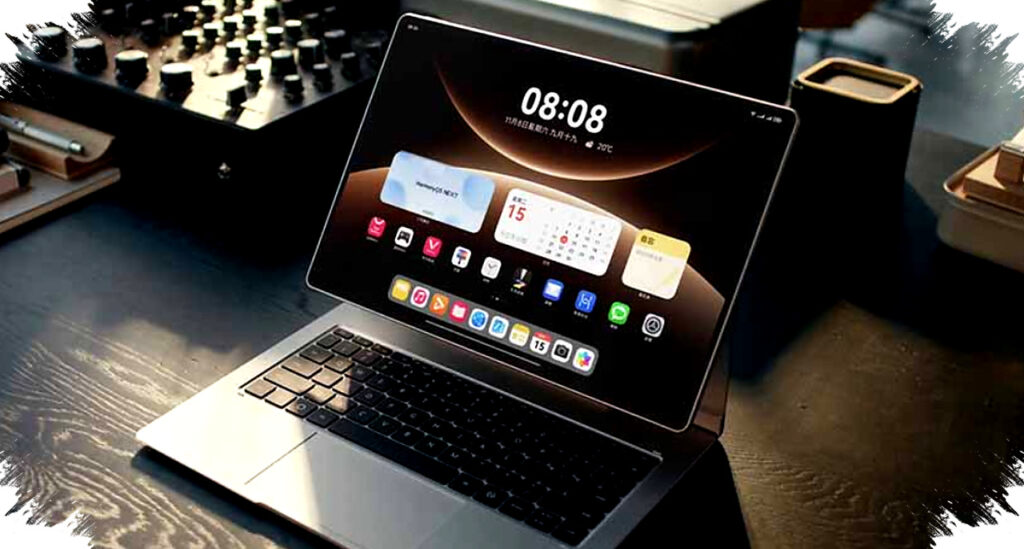
Huawei is positioning the MatePad Edge 14-inch as a high-performance tablet that aims to blur the line between a portable slate and a laptop replacement. The device stands out because it combines a large 14.2-inch display, up to 32GB of RAM, up to 2TB of storage, and an active cooling system that is rare in the tablet category.
That combination matters for users who need more than casual media playback. It targets people who want fast multitasking, large local file storage, and more stable performance during heavy workloads such as document editing, creative tasks, and productivity apps.
A tablet built for demanding users
The MatePad Edge is not designed as a basic entertainment device. Huawei has clearly aimed it at users who want desktop-like functionality in a thinner and more flexible form factor.
The product’s memory options make that intention obvious. According to the reference information, the tablet comes in several configurations, including 16GB/256GB, 16GB/512GB, 24GB/1TB, and a top-tier 32GB/2TB version.
That 32GB RAM and 2TB storage combination is unusual for a tablet. It gives the MatePad Edge room to handle heavier multitasking and large files without users constantly worrying about storage limits.
Large 14.2-inch display for work and entertainment
The MatePad Edge uses a 14.2-inch screen, which places it firmly in the category of large-format tablets. A display this size usually appeals to users who split time between reading, note-taking, media consumption, and productivity work.
Huawei also offers an anti-glare panel option to reduce reflections. That feature can matter in bright indoor spaces, near windows, or in outdoor settings where screen glare often becomes a problem.
The large panel also supports the device’s laptop-like ambition. A bigger screen gives more room for multitasking, especially when paired with a desktop-style interface, external keyboard, and trackpad support.
Active cooling sets it apart
One of the most notable features is the internal active cooling system. Most tablets rely on passive cooling, which is usually enough for mobile chips but can limit sustained performance under heavier loads.
Huawei’s approach here suggests that the company wants the MatePad Edge to maintain higher performance for longer periods. The tablet uses the Kirin 9 PC SoC, and the cooling system is meant to keep that chip stable during extended work sessions.
This is important because sustained performance often matters more than short benchmark peaks. A tablet that throttles under pressure can feel fast at first but slow down during real-world use, especially when multiple apps run at once.
Laptop-style design details
Huawei has also added physical features that make the MatePad Edge feel closer to a compact computer. One of them is the integrated pop-out stand on the back, which lets the tablet stand upright without a separate case.
The rear design includes a circular camera module that holds dual sensors. The look is modern and follows the premium design language that Huawei often uses in its higher-end devices.
To support productivity further, Huawei includes an external keyboard accessory. The keyboard is said to feature 1.8 mm key travel, a pressure-sensitive trackpad, and a built-in 65W fast-charging port.
Key hardware highlights
Here is a simple breakdown of the main hardware points mentioned in the reference data:
- 14.2-inch display
- Optional anti-glare panel
- Up to 32GB RAM
- Up to 2TB internal storage
- Kirin 9 PC SoC
- Active internal cooling system
- External keyboard with 1.8 mm key travel
- Pressure-sensitive trackpad
- Built-in 65W fast-charging port
- HarmonyOS software
This hardware mix shows that Huawei is not trying to sell the MatePad Edge as a mainstream tablet. It is being shaped as a premium device for users who want more power and flexibility from a single product.
How it fits into the premium tablet market
The global tablet market has become more segmented in recent years. Some devices focus on entertainment and portability, while others try to take on laptops with larger screens, stronger chipsets, and advanced accessories.
The MatePad Edge sits in the second group. By offering high memory capacity and active cooling, Huawei is signaling that the device is designed for heavier workloads than typical media-focused tablets.
That strategy may appeal to professionals, students, and creators who prefer a lightweight device but still need serious performance. It could also attract users who want a second device for travel, meetings, or hybrid work.
Why the cooling system matters for real-world use
Cooling is often overlooked in tablet discussions, but it can be decisive for users who run heavier apps. A tablet can have strong hardware on paper and still struggle if heat builds up too quickly.
The MatePad Edge’s active cooling system is notable because it is uncommon in this product class. That may help the tablet sustain performance during tasks such as long video calls, large document editing sessions, multitasking across several windows, or extended media workflows.
It also supports Huawei’s broader effort to make the MatePad Edge feel more like a portable work device than a consumer tablet. In that sense, cooling is not just a technical detail but a core part of the product’s identity.
Software and color options
The MatePad Edge runs HarmonyOS, Huawei’s own operating system. That gives the company more control over the software experience and helps tie the device into its wider ecosystem of phones, tablets, and accessories.
Huawei offers the tablet in Moonlight Silver and Space Grey. Both colors follow the understated premium style that is common in the company’s higher-end product line.
What the MatePad Edge signals for Huawei
The MatePad Edge reflects Huawei’s continued push to differentiate its devices through hardware ambition. Rather than competing only on display size or battery life, the company is adding features that directly target productivity and sustained performance.
The tablet’s combination of a 14.2-inch display, large memory ceiling, generous storage, and active cooling suggests a clear positioning strategy. Huawei wants this model to be seen not as a simple tablet, but as a serious mobile workstation for users who need power without carrying a full laptop.
For buyers who prioritize performance, multitasking capacity, and a design that supports desk-based use, the MatePad Edge enters the market with a strong set of specifications. The tablet’s premium hardware, laptop-style accessories, and uncommon cooling approach make it one of the more ambitious large-format tablets in Huawei’s current lineup.