


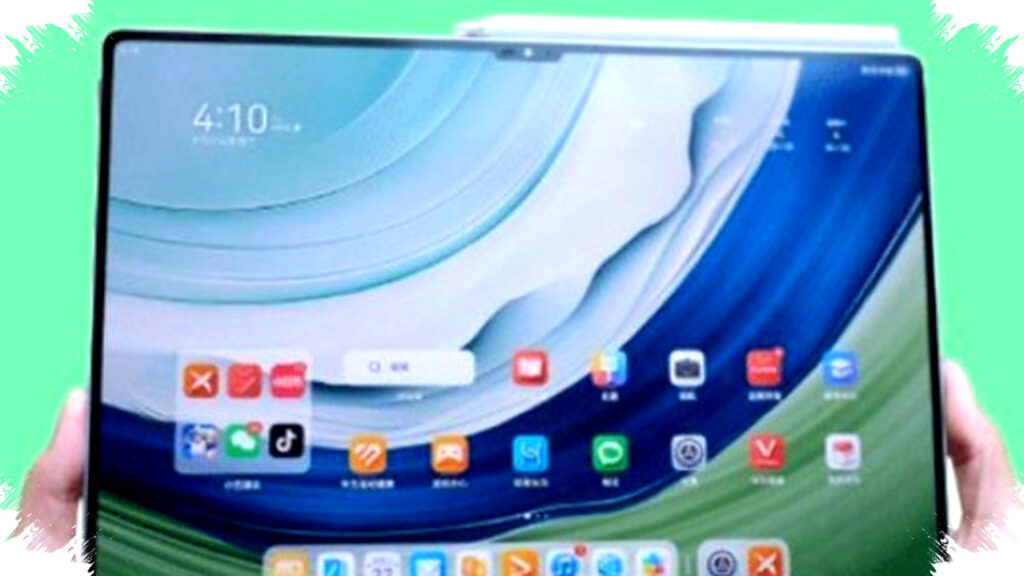
Huawei Matepad Mini is drawing attention as one of the most practical tablets for young users who want a compact device with strong performance and a premium display. It is not an iPad, but several details from the device suggest why it is being discussed as a serious alternative for students, creators, and mobile-first users.
The appeal starts with its size and visual experience. The tablet uses an 8.8-inch flexible OLED display with very thin bezels, a 2.5K resolution, a 120 Hz refresh rate, and peak brightness of up to 1800 nits, which makes it suitable for reading, streaming, gaming, and outdoor use.
A Compact Tablet Built for Mobility
Huawei Matepad Mini stands out because it focuses on portability without giving up key flagship features. The device weighs around 260 grams and measures only 5.1 mm thick, making it lighter and slimmer than many tablets in its class.
That kind of design matters for younger users who often switch between classes, cafes, public transport, and home. A tablet that slips easily into a bag and stays comfortable to hold for long sessions is usually more useful than a larger device that feels closer to a laptop substitute.
The display also helps the tablet feel more premium than many compact rivals. Flexible OLED panels usually deliver deeper blacks and better contrast, while the 120 Hz refresh rate adds smoother scrolling and more responsive touch interaction.
Why the Screen Matters So Much
For many young buyers, the display is the first feature that determines whether a tablet feels worth the money. Huawei’s compact tablet aims directly at that expectation by pairing sharp resolution with high brightness and a fast refresh rate.
In practical terms, that means text looks clear, videos appear more vivid, and games feel smoother. The 1800 nits peak brightness also gives the device an advantage in bright environments, including outdoor settings or rooms with strong sunlight.
A tablet with this kind of screen can serve multiple purposes at once. It can work as a reading device, a media screen, and a gaming machine without forcing the user to compromise too much on picture quality.
Performance That Supports Daily Multitasking
The tablet runs on the Kirin 90B chip and comes with 12 GB of RAM and 256 GB of internal storage. That combination places it in a category that can handle demanding tasks, especially for users who open multiple apps at the same time.
According to the reference source, the device can run Mobile Legends at the highest settings with up to 120 fps and handle Genshin Impact at high graphics with a stable 60 fps. Those results matter because performance is no longer just about benchmarks, but about whether a tablet can keep up with entertainment and productivity in real use.
For younger users, smooth gaming and fast app switching often matter as much as note-taking or browsing. A tablet that can manage both work and play becomes more attractive than a device that only excels in one area.
Connectivity That Fits a Connected Lifestyle
Huawei also equips the Matepad Mini with 5G and WiFi 7 support, which gives it a strong edge in modern connectivity. Fast wireless access is important for streaming, cloud storage, online classes, remote collaboration, and gaming on the move.
One unusual feature is the ability to make phone calls like a smartphone. That makes the tablet more versatile, especially for users who want a single compact device that can cover communication and entertainment without relying too heavily on another phone.
For young people who move quickly between activities, this kind of flexibility has clear value. It reduces friction and helps the tablet behave more like a personal digital companion than a traditional large-screen gadget.
Camera and Battery Add Real-World Convenience
The Matepad Mini includes a dual rear camera setup with a 50-megapixel main sensor and an 8-megapixel ultra-wide lens. On the front, Huawei places a 32-megapixel camera in a punch-hole design, which is useful for video calls, online meetings, and selfies.
While tablets are not usually bought for photography, camera quality still matters for remote learning and content creation. A better front camera can make a noticeable difference for young users who attend online classes, join video chats, or create short-form content.
Battery life is another key part of the package. The device carries a 6,400 mAh battery and supports 66-watt fast charging, with the source claiming that 30 minutes of charging can bring it to 60 percent.
That charging speed is important because portability only works well if the battery can recover quickly. A device that charges fast can be easier to trust during busy days when users may not have time to wait for a full refill.
Software Features That Support Productivity
Huawei includes split screen, floating window, and a dock panel for quick access to favorite apps. Those features help the tablet work better for multitasking, which is a major factor for younger users who often jump between messaging, studying, social media, and browsing.
- Split screen lets two apps run side by side.
- Floating window helps users keep a small app open above another task.
- Dock panel shortens the path to frequently used apps.
These tools are especially valuable on a smaller tablet because they make the interface feel less limited. A compact screen can still support productivity if the software is designed to make multitasking easier.
How It Compares with the iPad Mini Conversation
The reference source says the tablet is seen as capable of surpassing the iPad Mini in design and screen technology, based on commentary from YouTube channel Ad Review. That comparison reflects how competitive the compact tablet market has become, especially for users who care about display quality and portability.
Apple’s iPad Mini still has a strong brand position, but Huawei is pushing a different value proposition. It emphasizes a thinner body, OLED screen technology, high brightness, and modern connectivity features that are easy to notice in daily use.
For younger buyers, the decision often depends on priorities rather than brand loyalty. A tablet with a premium screen, strong multitasking tools, and a lightweight frame can feel more appealing if those are the features that matter most.
Pricing and Market Position
In China, the Huawei Matepad Mini is priced at around Rp8 million, which is approximately $500 USD based on current exchange rates. That places it in a premium compact-tablet segment, where buyers expect more than basic entertainment features.
At that price, the tablet is targeting users who want a stylish and powerful device rather than an entry-level model. If it eventually arrives in Indonesia, the final price could shift depending on taxes, import policy, and local distribution costs.
That pricing still leaves the device in an interesting position because compact premium tablets are often judged on how well they balance design, performance, and convenience. Huawei is clearly aiming at users who want a tablet that feels modern, fast, and easy to carry, while also offering enough power for gaming, study, and everyday communication.