


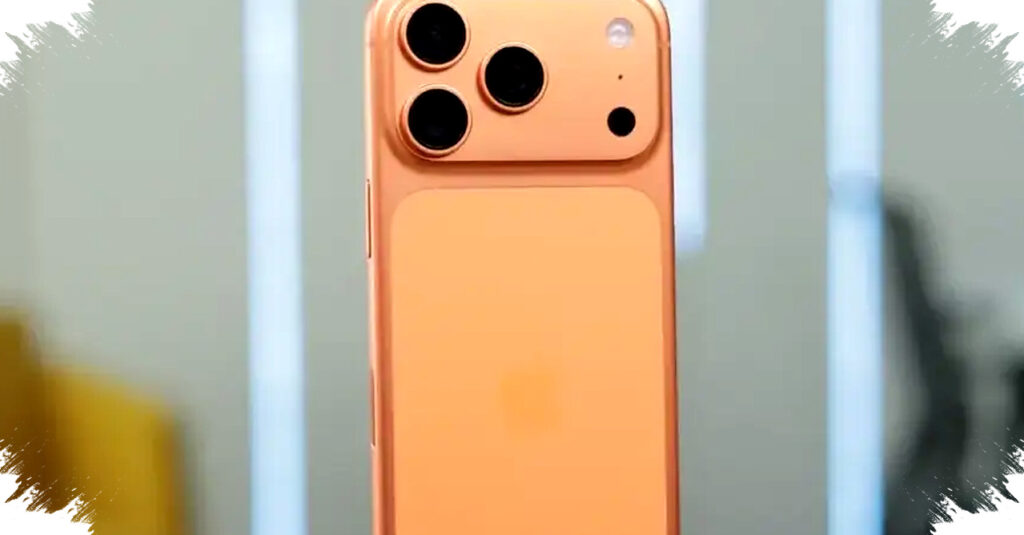
Apple is reportedly preparing a noticeably thinner design for the iPhone 18 Pro, with the biggest changes expected to focus on the display and the internal structure of the device. The new model is still projected for 2026, but early industry reports suggest Apple wants a cleaner front design, slimmer bezels, and a more refined premium look.
The idea is simple: deliver a screen-first experience without making the phone feel larger or less comfortable to hold. Apple has not confirmed any of the details, but the direction matches a broader trend in the premium smartphone market, where brands keep chasing a more immersive full-screen look.
A slimmer display is the central goal
According to the reference report, Apple is working on thinner bezels for the iPhone 18 Pro. Smaller borders around the screen would let the display cover more of the front panel, which usually creates a more modern and expansive visual feel.
That approach matters because it can improve the user experience without forcing Apple to increase the actual size of the phone. For many buyers, a bigger-looking screen is attractive, but a device that remains relatively compact is still easier to use one-handed.
Apple has followed this same philosophy for years, refining the iPhone design in small but meaningful steps. Instead of dramatic shifts every cycle, the company usually adjusts one or two major elements at a time, then lets the product line evolve gradually.
Under-display camera technology may move forward
One of the most discussed possibilities for the iPhone 18 Pro is under-display front camera technology. This system places the selfie camera behind the display panel, so the front of the phone can look cleaner and more seamless.
If Apple can make this work at a high standard, it could reduce or even remove the need for the notch or Dynamic Island on future Pro models. That would be a major visual change, because those elements have defined the iPhone front design for several generations.
The challenge is quality. Several Android makers have tested under-display cameras before, but the results have often struggled with image clarity, light handling, and consistency. Apple typically waits until a feature reaches a level it considers acceptable for mass-market use, rather than rushing to be first.
Why Apple may be moving cautiously
Apple’s design strategy often balances innovation with reliability. The company tends to avoid changes that could hurt durability, battery life, or camera performance, even if those changes create a cleaner look on paper.
That is important for a product like the iPhone 18 Pro, because the Pro line serves both everyday users and power users who expect top-tier performance. A thinner design must still support strong thermal control, long battery life, and stable camera output.
The reference material also notes that Apple has stayed committed to an iterative design language. In practice, that means the company usually improves the product layer by layer instead of redesigning the entire device in one leap.
Hardware upgrades are expected alongside the new look
The slimmer design is only part of the story, because Apple is also expected to refine the materials and internal build. The report says Apple may continue using premium materials such as titanium, which fits the Pro line’s position as a high-end model.
Titanium helped Apple keep the device strong while managing weight, which becomes even more important if the company pushes for a thinner profile. A leaner chassis can feel more elegant, but it also raises engineering demands for rigidity and component placement.
The iPhone 18 Pro is also expected to receive a new generation of Apple Silicon. That chip will likely use a smaller fabrication process, which should improve power efficiency and performance at the same time.
What buyers may notice in daily use
The changes Apple is reportedly exploring could affect several practical aspects of the phone experience. A thinner bezel and a cleaner front panel could make video viewing, gaming, and reading feel more immersive, while a refined internal layout may help with comfort and balance in the hand.
Potential benefits include:
- A more immersive display with less visible border.
- A cleaner front design if face camera hardware moves behind the screen.
- Better efficiency from the next Apple Silicon chip.
- Improved comfort if Apple reduces bulk while keeping premium materials.
- A more advanced position in the high-end smartphone market.
Even small design updates can matter in the premium segment, where buyers pay close attention to both appearance and long-term usability. Apple knows that its Pro models are often judged not only on specs, but also on how polished the device feels in daily use.
AI support could influence the way the phone is built
Artificial intelligence is also likely to shape Apple’s hardware roadmap. As on-device AI features become more common, the phone needs stronger local processing power and better memory and software optimization.
That is one reason the chip and system software matter so much in the iPhone 18 Pro discussion. If Apple wants faster on-device AI tasks, it must design the processor, iOS, and internal thermal system to work together efficiently.
This could affect photography, voice tools, productivity features, and other on-device tasks that depend on low latency. In that sense, the design update is not just about style, because the internal engineering must support the next wave of Apple features.
Apple is not alone in chasing a full-screen future
The smartphone industry has been moving toward edge-to-edge displays for years. Android brands have tested under-display camera systems and ultra-thin bezel designs, though results have varied depending on cost and engineering quality.
Apple usually enters these transitions later, but often with a more polished implementation. That pattern has shaped many past iPhone changes, from display upgrades to camera placement decisions, and it may happen again with the iPhone 18 Pro.
If the company succeeds, the iPhone 18 Pro could become one of the clearest examples yet of Apple’s long-term transition toward a simpler front design. The device would likely keep the familiar Pro identity while pushing closer to a truly uninterrupted screen experience, which remains one of the most anticipated directions in the premium smartphone market.