


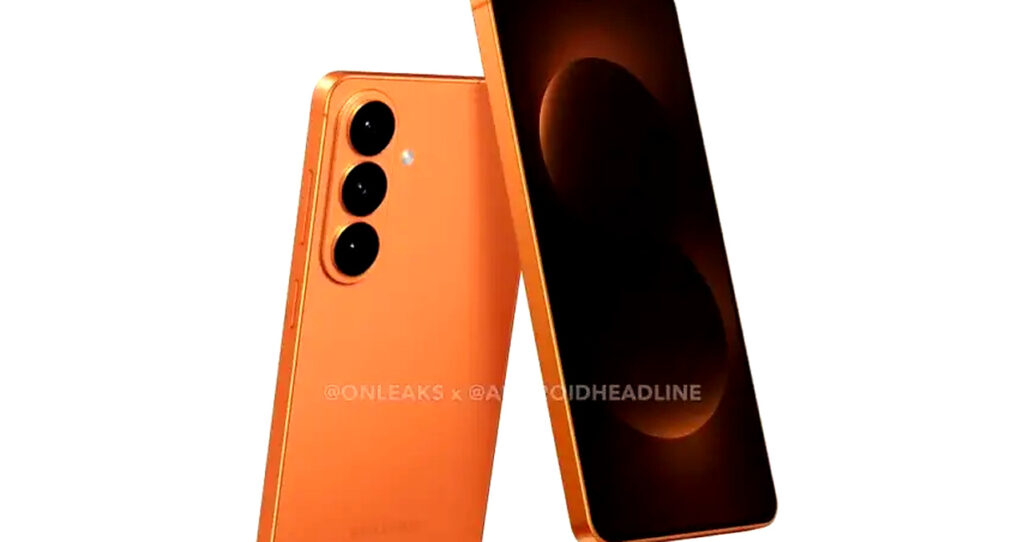
Samsung Galaxy S26 FE has surfaced on Geekbench, giving the first clear look at the chipset Samsung appears to be testing for the next Fan Edition model. The listing also hints that the phone is already in an internal development or pre-production stage, which usually means launch preparations are moving forward.
For many readers, the biggest takeaway is simple: Samsung has not abandoned the FE line, and the Galaxy S26 FE looks set to continue the formula of flagship-style features at a more accessible price point. The benchmark result does not reveal every detail, but it does provide an early snapshot of the phone’s performance direction and software setup.
What Geekbench reveals so far
Geekbench is one of the most closely watched benchmark databases in the smartphone industry because it often exposes early device details before an official launch. In this case, the Galaxy S26 FE entry points to an Exynos chipset, which supports Samsung’s long-running strategy of using its own silicon in selected models.
The reference report says the device uses a “newest Exynos chipset,” although the exact model name has not been officially confirmed in the article data. That means Samsung is likely still refining the hardware, and the final retail version could still differ from what appeared in the benchmark database.
The listing also suggests that the device is running a recent version of Android. That detail matters because Samsung typically pairs new Android builds with its One UI software, which means the Galaxy S26 FE could arrive with a software package that is already close to its final launch state.
Why the chipset matters
The chipset is often the most important part of a Geekbench leak because it gives an early indication of performance class, power efficiency, and feature support. For Samsung, an Exynos-based FE model also reinforces the company’s effort to strengthen its in-house chip ecosystem.
Samsung has spent years improving Exynos so it can better compete in efficiency, graphics, and AI-related tasks. This internal development approach allows tighter integration between hardware and software, which can improve things like thermal management, battery performance, and system optimization.
According to the source article, Samsung continues to develop Exynos as part of its technology independence strategy. That fits the broader industry trend in which major manufacturers want more control over performance tuning and product differentiation.
What Geekbench can and cannot tell buyers
Benchmark results are useful, but they do not describe the full user experience. Geekbench mainly measures CPU behavior in single-core and multi-core scenarios, so it gives a limited view of how the phone may behave in gaming, camera processing, or day-to-day multitasking.
Still, benchmark data is a strong signal that the device is moving through development. Phones that appear in Geekbench are often being tested internally, and that usually happens before mass production begins.
Here are the key things the Galaxy S26 FE Geekbench appearance suggests:
- Samsung is actively testing the device.
- The phone is likely using an Exynos processor.
- The software build is based on a recent Android version.
- The device is probably still in pre-release development.
- The final specifications may still change before launch.
The role of the FE line in Samsung’s lineup
Samsung’s Fan Edition series has always aimed at a specific audience: users who want premium features without paying full flagship prices. The lineup usually borrows much of the Galaxy S identity, but Samsung trims or adjusts certain components to keep the price more competitive.
That positioning has made FE models important to Samsung’s wider portfolio. They help the company target buyers who want a high-end screen, strong camera capabilities, premium design, and long software support, but who do not want to spend the amount required for an Ultra-class model.
The reference data notes that previous FE phones, including the Galaxy S23 FE and Galaxy S24 FE, followed the same formula. They combined strong specifications with a more approachable price, which helped Samsung keep a presence in the upper-midrange segment.
How the Galaxy S26 FE could be positioned
The appearance of the Galaxy S26 FE on Geekbench suggests Samsung is preparing another device for the competitive premium midrange market. That market has become significantly more crowded, with several brands offering strong processors, better cameras, and advanced AI features at increasingly aggressive prices.
Samsung’s advantage often comes from brand trust, ecosystem integration, and long-term software support. The company is also known for providing extended Android and security updates, which remains a major selling point for users who want a phone that stays secure and relevant for years.
The Galaxy S26 FE is expected to follow that same logic. If the device keeps the FE formula, it will likely aim to balance performance, design, and software longevity rather than chase the most extreme specs on paper.
What the current leak says about RAM and performance
The benchmark listing also indicates that the phone uses a fairly large RAM configuration. That is important because modern Android devices need more memory to handle multitasking, app switching, and background processes smoothly.
A larger RAM setup, combined with a newer Exynos chipset, could help the Galaxy S26 FE deliver a more fluid day-to-day experience. That does not guarantee flagship-level speed in every scenario, but it does strengthen the case for a phone that can handle productivity, media consumption, and moderate gaming with ease.
Samsung has also been pushing AI features more aggressively across its ecosystem. A newer Exynos platform may help the company support those features more efficiently, especially if Samsung wants to bring more on-device processing into the FE tier.
What to watch before launch
The Geekbench listing is only an early signpost, not a final product reveal. Samsung often adjusts hardware, firmware, and software optimization before a phone reaches consumers, so the final retail version may still look different from this testing unit.
The most important unanswered questions now are the exact Exynos model, the display configuration, the camera system, battery capacity, and charging speed. Those details usually emerge closer to launch through additional leaks, certification filings, or official teasers from Samsung.
The Galaxy S26 FE’s appearance in Geekbench adds momentum to Samsung’s next-generation roadmap, especially as the broader Galaxy S26 family moves toward launch preparation. For now, the benchmark data mainly confirms that Samsung is actively shaping the next Fan Edition model around an Exynos-based platform, recent Android software, and a hardware package built to keep the FE line relevant in a demanding smartphone market.