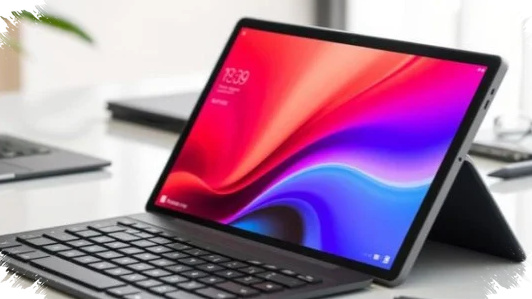
The mid-2026 laptop price surge is pushing many users to look for a cheaper device that still feels productive. In the $300–$400 range, several tablets now offer PC-like multitasking, AI tools, stylus support, and keyboards that make them suitable for work, study, and light creative tasks.
For students, office workers, and creators who mainly handle documents, online classes, meetings, note-taking, and light design, a premium laptop is no longer the only answer. Based on the latest market reference from April 2026, these five tablets stand out as the strongest options around the $340–$400 segment.
Why tablets in the $5 million rupiah class are getting attention
Tablet makers are no longer treating these devices as simple entertainment screens. They now ship with larger displays, faster chipsets, desktop-style office apps, and AI features that help users summarize notes, transcribe audio, and manage files more efficiently.
This shift matters because many users do not need full laptop-level workloads every day. When the job is mostly document editing, email, video calls, presentations, and light creative work, a well-equipped tablet can cover the basics while staying lighter and easier to carry.
1. Huawei MatePad 11.5" New Standard Edition
Huawei puts this model at the top of the productivity list thanks to one important detail: the M-Pencil Gen 3 is included in the box. That alone makes it a strong value proposition for users who need handwriting, sketching, or annotation without buying extra accessories.
The tablet also comes with WPS Office 3.0 PC-Level, which gives the interface a more desktop-like feel when handling documents and spreadsheets. Its 11.5-inch 2.5K display with a 120Hz refresh rate uses Nano-Etching technology, so the screen stays more comfortable in bright environments, and the 10,100 mAh battery with 40W fast charging supports long work sessions.
2. Lenovo Motopad 60 Pro
Lenovo’s Motopad 60 Pro targets users who want a larger workspace and smoother split-screen multitasking. Its 12.7-inch display gives more room for reading, editing, and side-by-side app use, while the 144Hz refresh rate makes navigation feel responsive.
Under the hood, the Dimensity 8300 chipset gives it enough power for demanding everyday tasks, and the included Motopen Pro stylus adds value for artists, students, and users who like to build visual mind maps. For people who often switch between apps, this tablet offers one of the most laptop-like working experiences in its price category.
3. Poco X1 Tablet
Poco keeps its usual formula here: strong performance at a rational price. The Snapdragon 7+ Gen 3 chip gives the tablet enough speed for users who keep many apps open at once, and the 512GB UFS 4.0 storage is especially useful for people who store large files, presentations, and media locally.
Poco also leans heavily on software intelligence. Google Gemini integration and Xiaomi Hyper AI help with voice transcription and instant document summaries, which can save time in meetings or classroom settings. For users who want a fast and practical productivity device without paying extra for brand prestige, this model is one of the most aggressive options.
4. Xiaomi Pad 7
Xiaomi Pad 7 is one of the most balanced choices in this group because it combines portability, display quality, and ecosystem convenience. Its body measures just 6.18 mm thick, which makes it easy to carry between classes, coworking spaces, and home.
The 3.2K display is sharper than many rivals in the same segment, and the claimed 800 nits of brightness help maintain visibility outdoors or near strong lighting. Xiaomi’s HyperConnect also adds a practical advantage for users already invested in the Xiaomi ecosystem, because it makes cross-device syncing feel smoother and more efficient.
5. Honor Pad 10
Honor Pad 10 is built for people who spend long hours in front of the screen. Its advanced eye comfort features are useful for late-night work, and the MagicOS 9.0 system helps organize notes and workflow more intelligently.
It also stands out in the audio department, thanks to six speakers that create a more immersive sound stage for online meetings, webinars, and video presentations. That makes it a solid pick for users who want a tablet that can handle both productivity and media consumption without feeling compromised.
Quick comparison of the 5 best $5 million tablets in April 2026
| Model | Main strength | Display | Notable feature | Price reference |
|---|---|---|---|---|
| Huawei MatePad 11.5" New Standard Edition | Office work and stylus use | 11.5" 2.5K 120Hz | M-Pencil Gen 3 in the box | $360-ish |
| Lenovo Motopad 60 Pro | Large workspace | 12.7" 144Hz | Stylus included | $350-ish |
| Poco X1 Tablet | Raw performance | Not specified in source | Snapdragon 7+ Gen 3, 512GB UFS 4.0 | $330-ish |
| Xiaomi Pad 7 | Portability and screen quality | 3.2K, 800 nits | HyperConnect ecosystem | $320-ish |
| Honor Pad 10 | Eye comfort and audio | Not specified in source | 6 speakers, AI note tools | $325-ish |
Who should choose which tablet
If your work depends on handwriting, PDF marking, or document editing, the Huawei MatePad 11.5" New Standard Edition looks like the most complete package. If you want a bigger screen for split-screen use and visual planning, the Lenovo Motopad 60 Pro gives you more room to work.
The Poco X1 Tablet is best suited for users who value speed and storage above all else. Xiaomi Pad 7 fits people who move around often and need a slim device with strong display quality, while Honor Pad 10 is the best match for users who care about eye protection and meeting-friendly audio.
What these tablets can and cannot replace
These devices can handle daily productivity very well, but they are not full replacements for high-end laptops in every scenario. Tasks like 4K video rendering, complex software development, and heavy professional editing still require a stronger computer.
Even so, for most people who mainly work with docs, notes, online classes, presentations, and light creative tasks, these tablets already deliver enough power to feel close to a PC. With prices around $320 to $360, they offer a practical answer for anyone who wants flexibility, battery life, and portability without buying an expensive laptop.