Apple is preparing one of its most aggressive premium launches in years, with leaks pointing to the iPhone 18 Pro Max and the first foldable iPhone arriving together in September 2026. The shift signals a clearer split in Apple’s roadmap, where the most advanced features may be reserved for top-tier models while more affordable variants wait for a later release.
The latest reports suggest that both devices will target the ultra-premium segment, with a starting price expected to exceed US$2,000. If accurate, that would place Apple’s next flagship and its debut foldable among the company’s most expensive consumer phones ever, while also setting a new benchmark for the broader smartphone market.
What the September 2026 launch could mean
Apple has long used the fall window to unveil its highest-profile iPhones, and the current leak indicates that the company may keep that tradition for its most advanced models. The iPhone 18 Pro Max and the foldable iPhone are both expected to debut in the same period, which would give Apple two headline products to drive interest at the same time.
That strategy would also help Apple sharpen its premium positioning. By releasing the Pro Max and foldable model together, Apple could turn the event into a showcase for its hardware, software, and AI ambitions rather than a standard yearly refresh.
A20 chip and 2nm manufacturing
One of the biggest talking points in the leak is Apple’s reported move to the A20 Pro chip built on a 2nm process. The smaller manufacturing node should improve efficiency and performance, since more transistors can fit into a tighter space while using less power.
In practical terms, that could help the iPhone 18 Pro Max deliver faster app launches, smoother gaming, and longer battery life. The same chip is also expected to power the foldable iPhone, suggesting Apple wants a shared high-end platform for its most expensive devices.
Why 12GB of RAM matters
The leak also points to a significant memory upgrade, with the iPhone 18 Pro Max expected to receive 12GB of RAM. That would be a notable jump for Apple and would likely support newer AI features, heavier multitasking, and more demanding background processes.
For users, more RAM can mean fewer app reloads, better performance during split workflows, and a smoother experience when switching between camera, editing, and productivity tools. It also fits Apple’s broader push into on-device AI, where memory capacity can become as important as raw chip speed.
Display and design changes on the Pro Max
Apple is also rumored to shrink the Dynamic Island on the iPhone 18 Pro Max. A smaller cutout would give the display a cleaner look and more usable screen area, which has been a common request among users since the feature first appeared.
The design update may not be dramatic from a distance, but it could matter in daily use. More screen space means better readability, less obstruction during video playback, and a more immersive look for games and apps.
Foldable iPhone enters the premium race
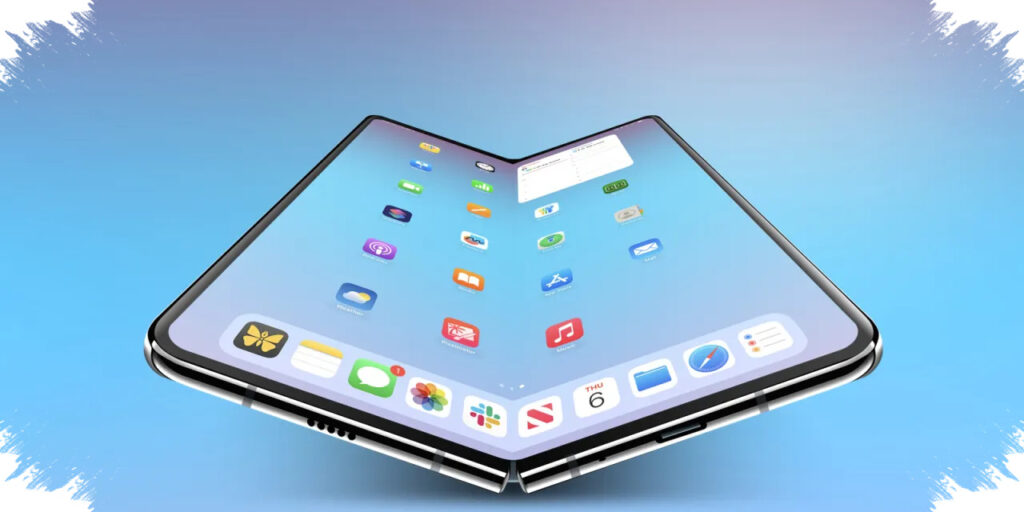
The foldable iPhone is arguably the most intriguing part of the report because it would mark Apple’s first serious entry into a product category that rivals have explored for years. If the device lands with the A20 chip and a premium build, Apple may position it as a hybrid between phone and tablet rather than a novelty device.
That approach would fit Apple’s usual playbook. The company often waits until a product category matures before entering it, then focuses on refinement, durability, and software integration instead of being first to market.
Expected device lineup and rollout timing
The leak suggests Apple will not launch all iPhone 18 models at once. Instead, the company appears ready to separate the premium lineup from the more accessible models, which may arrive later in 2027.
- iPhone 18 Pro Max, expected in September 2026
- Foldable iPhone, expected in September 2026
- iPhone 18 standard model, expected in spring 2027
- iPhone 18e, expected in spring 2027
- Second-generation iPhone Air, expected in spring 2027
This staggered schedule would let Apple focus its September event on the highest-margin devices while keeping another launch cycle available for the broader market.
Pricing could push Apple into new territory
The reported price of more than US$2,000 places both the iPhone 18 Pro Max and the foldable iPhone in a new bracket. That would make them costlier than many laptops and nearly as expensive as some premium tablets or 2-in-1 devices.
For Apple, the pricing may reflect more than just hardware. It likely includes the cost of advanced chip production, a new foldable display system, and the premium positioning that Apple has steadily built around its Pro lineup.
Camera changes and production efficiency
Another detail in the leak points to a front camera upgrade from 18 megapixels to 24 megapixels. That would be a meaningful improvement for selfies, video calls, and content creation, especially if Apple pairs it with better image processing.
At the same time, Apple is reportedly simplifying the Camera Control sensor setup to reduce production costs. That move suggests the company is trying to balance higher-end features with better manufacturing efficiency, which is a common challenge in flagship phone development.
How the rumored upgrades compare
| Feature | iPhone 18 Pro Max / Fold rumor | Why it matters |
|---|---|---|
| Chipset | A20 / A20 Pro on 2nm | Better speed and efficiency |
| RAM | 12GB | Stronger multitasking and AI support |
| Launch window | September 2026 | Aligns with Apple’s premium release cycle |
| Price | Above US$2,000 | Positions both models in ultra-premium class |
| Front camera | 24MP | Better video calls and selfies |
| Dynamic Island | Smaller | More immersive display experience |
Why Apple may be splitting its releases
Apple’s rumored launch plan appears designed to separate the highest-end products from the rest of the lineup. That can help the company control supply, focus its marketing, and avoid crowding its own premium products with lower-priced alternatives at the same time.
It may also reflect the increasing complexity of Apple’s roadmap. A foldable iPhone, a new chip node, and a major Pro Max refresh all require different development and manufacturing priorities, so separating launches could make the process easier to manage.
What buyers should watch next
The biggest question now is whether Apple can deliver a foldable device that feels truly refined rather than experimental. The company will also need to justify the expected US$2,000-plus price with clear gains in battery life, durability, camera quality, and software experience.
Until Apple confirms the details, the leak should be treated as an early look at where the company is heading. Still, the direction is clear: Apple seems ready to push the iPhone Pro line and its first foldable into a much more expensive and more advanced era in 2026.