


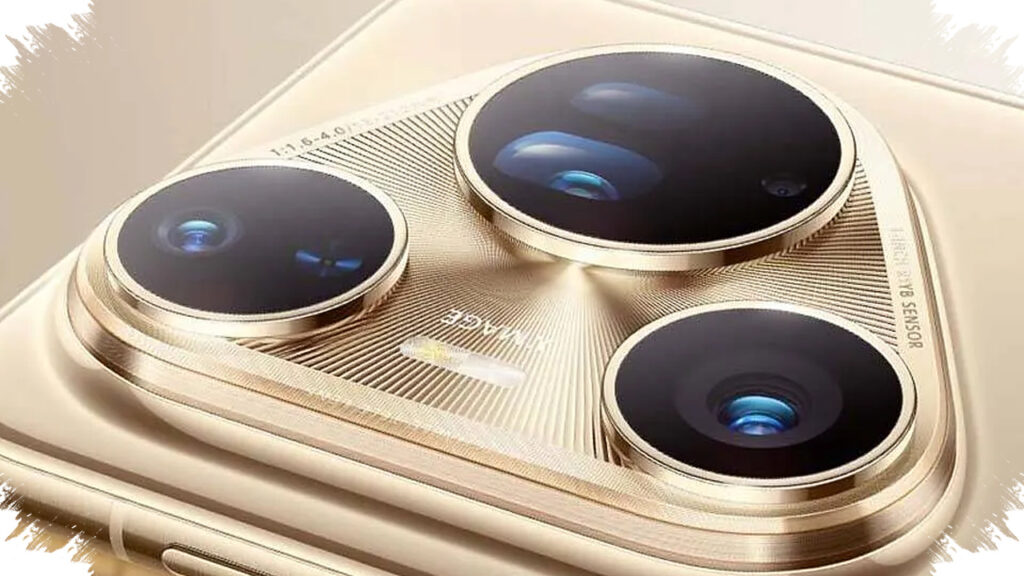
Huawei is preparing to push smartphone photography into a new phase with the rumored Pura 90, led by a custom 200-megapixel telephoto camera. The leak has drawn attention because it suggests Huawei is not simply increasing resolution, but redesigning the imaging system around long-range zoom and low-light performance.
If the report proves accurate, the Pura 90 could become one of the most talked-about camera phones of 2026. The key detail is not just the megapixel count, but the fact that Huawei is said to be working directly with a CMOS supplier on a custom telephoto sensor built for its own platform.
A custom sensor, not an off-the-shelf part
The biggest difference in this leak is Huawei’s approach to imaging hardware. Instead of sourcing a standard sensor from a major vendor and adjusting it later, the company is reportedly collaborating with a sensor maker to create a telephoto module tailored for the Pura 90.
That matters because custom design often gives a brand more control over image tuning, light capture, and zoom behavior. It also signals that Huawei wants tighter integration between hardware and software, which has become one of its main strengths in recent flagship devices.
For years, Huawei has built its camera reputation on aggressive imaging optimization, and this leak suggests the company wants to keep that identity intact. The reported move also shows a broader strategy of reducing dependence on suppliers such as Sony or Samsung for every major imaging component.
Why 200 megapixels could matter more in telephoto
A 200-megapixel telephoto camera sounds extreme, but the real value comes from how the sensor can be used. High-resolution telephoto hardware can preserve more detail during zoom, cropping, and digital enhancement, which helps images stay sharper at longer distances.
- Better detail retention when zooming in on distant subjects.
- More flexibility for cropping without losing too much quality.
- Stronger results for portraits, wildlife, and travel photography.
- Improved support for hybrid zoom systems that combine optical and computational processing.
This type of setup could give Huawei an advantage in scenarios where conventional telephoto cameras begin to fall apart. Users who often shoot architecture, stage performances, or outdoor subjects may notice a visible difference if the sensor and processing engine work as expected.
The leak also points to a sharper, smoother output, which suggests Huawei may be tuning the camera for both clarity and natural rendering. That would be important for users who want zoom photos that look detailed but not overly processed.
Low-light performance remains a major focus
One of the most interesting parts of the rumor is the mention of an “ultra sensitive” sensor design. That phrase indicates Huawei is not only chasing resolution, but also trying to improve how the camera performs when light is limited.
Low-light telephoto photography is still one of the hardest problems in smartphone imaging. Telephoto lenses usually capture less light than main cameras, and that leads to blur, noise, and softer details at night.
Huawei reportedly plans to address that with advanced pixel binning. This technique combines multiple pixels into one larger effective pixel, which helps the sensor collect more light and reduce image noise. In practical terms, that should help the Pura 90 deliver cleaner zoom shots after sunset or indoors.
A better aperture and improved image processing are also said to be part of the package. Together, those elements could make night zoom photos look more stable, brighter, and less grainy than typical telephoto output on current phones.
Why the lack of a 1-inch sensor is not a deal-breaker
Another surprising part of the leak is that the Pura 90 may not use a 1-inch main sensor. In smartphone photography, a larger sensor often gets attention because it can improve dynamic range and low-light quality, but it is not the only factor that matters.
Huawei appears to be betting on a full system approach instead. That means the company may be relying on the combination of custom sensor design, lens structure, image processing, and software tuning rather than chasing a larger sensor alone.
This is not a new idea in mobile imaging. Many of the best camera phones do not win because of a single component, but because of how well every part works together. If Huawei gets that balance right, the Pura 90 could still compete seriously with rivals that focus more on sensor size than on camera synergy.
What the leak suggests about Huawei’s strategy
Huawei has been more aggressive than most brands in shaping its own hardware path. That approach became more visible after the company began leaning harder into self-developed technologies and deeper customization across its product line.
In the camera market, that strategy can be a major advantage. A custom telephoto sensor gives Huawei more room to optimize color, dynamic range, autofocus behavior, and zoom consistency across shooting conditions.
It also matters for brand identity. Huawei has long promoted its phones as imaging-first devices, and the Pura series has become a key part of that story. A 200-megapixel custom telephoto camera fits that positioning well because it creates a headline feature that is easy for consumers to understand and hard for competitors to ignore.
How the Pura 90 could stand out in 2026
The 2026 flagship race already looks crowded, but strong camera hardware can still separate one phone from the pack. If Huawei delivers on this leak, the Pura 90 could stand out in several areas that matter to mobile photographers.
- Long-range zoom with better sharpness.
- Better night telephoto shots with lower noise.
- More flexible cropping for social media and editing.
- Stronger portrait composition from a distance.
- A more mature computational photography pipeline.
Those strengths would be especially valuable for users who want one device that can handle everyday shooting and more demanding photography tasks. Huawei has often targeted that audience before, and the Pura 90 could be the next step in that direction.
The most important question now is whether Huawei can pair the sensor with consistent image processing. A high-megapixel camera only becomes useful when autofocus, stabilization, and software optimization keep up with the hardware.
What to watch next
For now, the Pura 90 remains a leak-driven story, so the final specifications could still change before launch. Even so, the early details already point to Huawei putting serious effort into telephoto imaging, which is where many flagship phones still struggle.
If the custom 200-megapixel sensor, improved low-light tuning, and refined zoom pipeline arrive together, the Pura 90 could become a reference point for mobile photography in 2026. That would make Huawei’s next flagship not just another premium phone, but a device built to challenge how users think about zoom cameras on smartphones.