Xiaomi Pad 8 Pro is shaping up to be one of the most interesting Android tablets of 2026 because it pushes far beyond casual entertainment use. It is designed for people who want a lighter device for work, editing, and multitasking without giving up flagship-level speed.
That shift matters because the tablet market is now competing more directly with laptops in mobile productivity. For students, remote workers, and creators, the key question is no longer whether a tablet can play videos well, but whether it can handle real workloads with enough power and comfort.
Why Xiaomi Pad 8 Pro Matters in 2026
Xiaomi positions the Pad 8 Pro around what it calls “PC-level productivity,” and that claim is backed by hardware that stands out in the Android tablet segment. The device uses the Snapdragon 8 Elite built on a 3nm process, which places it in the same performance conversation as top-tier flagship phones and some lightweight computing devices.
The chipset is a major reason why the Pad 8 Pro attracts attention from workers who move between meetings, classes, and travel. Xiaomi says the tablet can handle complex tasks similar to a PC, including data processing, graphics-heavy work, and demanding multitasking.
Flagship Performance in a Tablet Body
The most important fact about the Xiaomi Pad 8 Pro is not just that it is fast, but that it is fast enough to change how people see an Android tablet. Xiaomi claims the CPU is up to 81% faster and the GPU is up to 103% stronger than the previous generation, which is a substantial jump for any tablet line.
That level of performance helps the device run split-screen workflows, office apps, video calls, light to medium media editing, and modern games with less friction. For many users, the real appeal is the ability to open multiple apps while still keeping the device cool, responsive, and portable.
Main Specifications at a Glance
Here is the core specification set that defines the Xiaomi Pad 8 Pro in 2026:
| Feature | Specification |
|---|---|
| Display | 11.2-inch, 3.2K resolution (3200 x 2136), 144Hz |
| Chipset | Snapdragon 8 Elite, 3nm |
| RAM / Storage | 8GB/256GB, 12GB/512GB |
| Rear Camera | 50MP |
| Front Camera | 32MP |
| Battery | 9,200 mAh |
| Charging | 67W fast charging |
| Operating System | HyperOS 3 based on Android 16 |
| Audio | Quad speakers with Dolby Atmos |
| Connectivity | WiFi 7, latest Bluetooth support |
This configuration shows that Xiaomi is not treating the Pad 8 Pro as a media tablet. Instead, it is clearly built as a productivity-first device with premium hardware across the board.
Display and Battery Suit Real Work Use
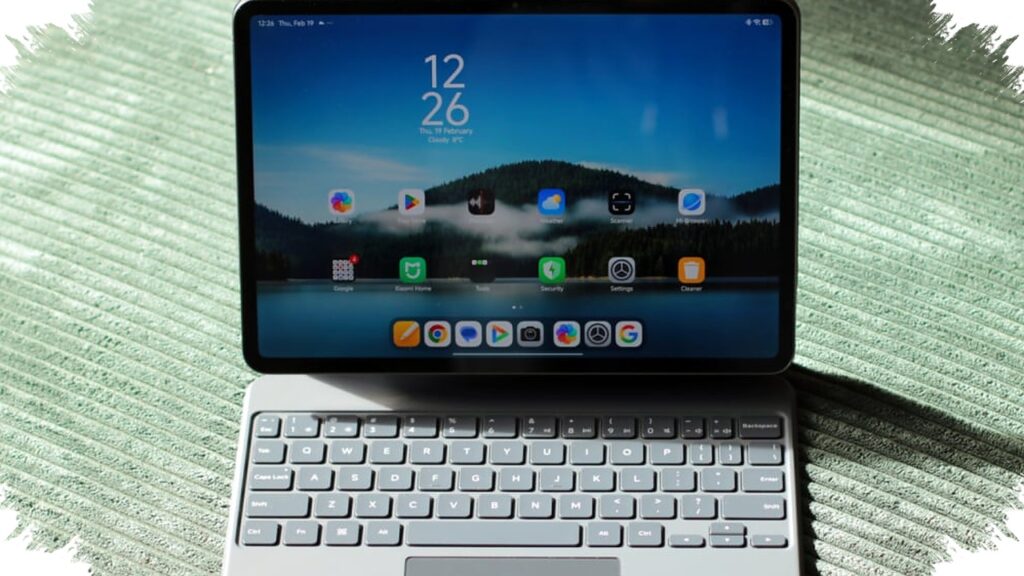
The 11.2-inch display is one of the strengths that matters most in daily use. Its 3:2-style productivity-friendly shape makes documents, spreadsheets, and presentations easier to read than on many wider consumer tablets.
The 3.2K resolution and 144Hz refresh rate also help the tablet feel sharp and fluid, while the 800-nit brightness supports better visibility in varied lighting. That combination makes the Pad 8 Pro more practical for work outside the home, especially in cafes, campuses, and co-working spaces.
Battery life is another important part of the story, because productivity tablets fail if they need constant charging. Xiaomi equips the Pad 8 Pro with a 9,200 mAh battery and 67W charging, which should help it last through a full workday and recover quickly when plugged in.
Who Will Benefit the Most
The Xiaomi Pad 8 Pro fits three groups especially well, based on the way it is positioned and the hardware it offers. Its strongest use cases are not universal, but they are very clear.
- Students who need a light device for reading, note-taking, document editing, and video calls.
- Remote workers who want a compact setup for presentations, email, and multitasking on the move.
- Creators who edit photos or lighter video projects and need more power than a basic tablet can provide.
For these users, the tablet can reduce dependence on a laptop during travel or short work sessions. It gives them enough performance to stay productive without carrying a heavier machine everywhere.
Where the Laptop Replacement Idea Still Breaks Down
Despite the strong specs, Xiaomi Pad 8 Pro does not fully erase the advantages of a laptop. Android still has limitations in desktop-style software support, especially for users who rely on specialized apps, full coding environments, or complex professional workflows.
That is why the tablet is better described as a laptop alternative for some tasks, not a complete laptop replacement for everyone. Heavy software dependence remains a problem, and that matters for professionals who need full desktop compatibility every day.
Accessories also affect the experience, because keyboard and stylus support are essential for serious productivity. In many cases, the best setup will include those extras, which can raise the total cost beyond the tablet itself.
How It Compares in Real Productivity
In practical use, the strongest part of the Xiaomi Pad 8 Pro is how it combines performance with a comfortable work display. Split screen mode and workstation-style features make everyday tasks feel close to a laptop workflow, especially when paired with a keyboard case.
The device is most convincing when used for documents, web research, online meetings, and light editing across multiple apps. That is the area where many Android tablets struggle, and it is exactly where Xiaomi tries to close the gap.
Price and Market Position
The Xiaomi Pad 8 Pro is priced at around the equivalent of $8,000–$10,000? Wait, the source indicates Rp8–10 million, which is roughly around $500–$625 depending on exchange rates. That places it in a premium but still accessible bracket for a flagship tablet with a productivity focus.
At that price, it competes not only with other Android tablets but also with lower-end laptops and 2-in-1 devices. The value proposition depends on whether the buyer wants maximum portability or full desktop flexibility.
Key Reasons People Are Watching This Tablet
- Snapdragon 8 Elite performance brings flagship-level speed to a tablet.
- 144Hz 3.2K display supports both work and entertainment.
- 9,200 mAh battery with 67W charging helps long work sessions.
- HyperOS 3 on Android 16 aims to improve multitasking and workflow.
- The device is strong enough for mobile productivity, even if it cannot replace every laptop use case.
Xiaomi Pad 8 Pro is one of the clearest examples of how far Android tablets have moved into productivity territory in 2026. Its performance, display, battery, and software tuning make it a serious option for people who want laptop-like speed in a lighter, more flexible device.