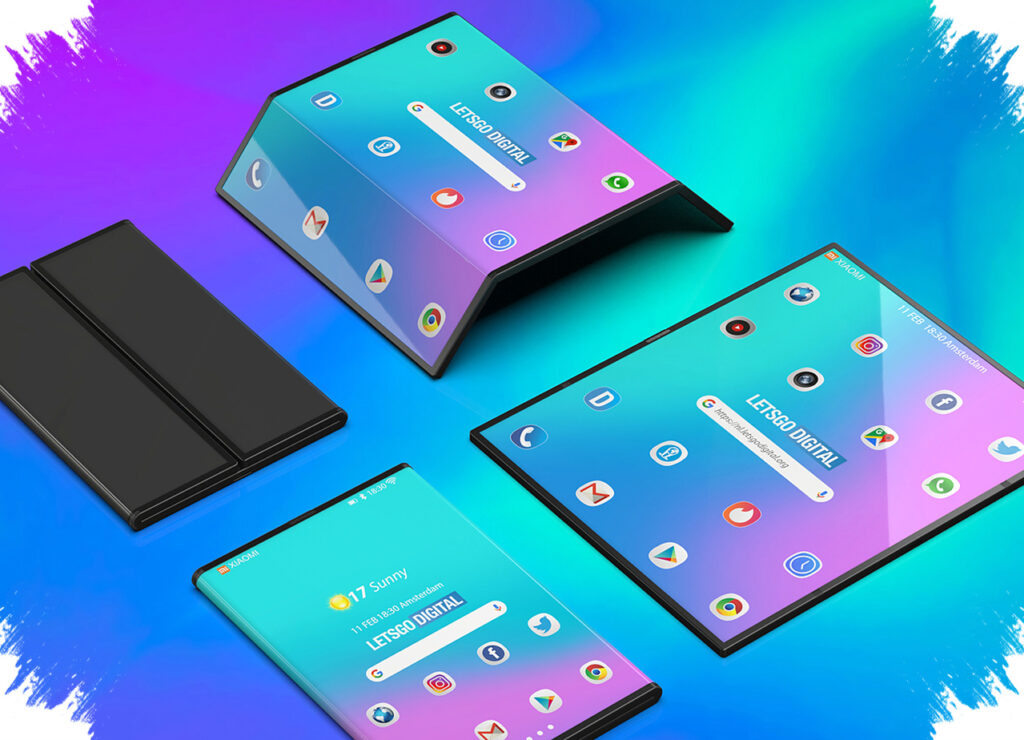
Xiaomi’s foldable schedule shift is drawing fresh attention because it may say more about the device’s ambitions than about any delay itself. The latest report suggests the company has pushed the launch of its next foldable from June 2026 to early July, as Xiaomi appears to be refining the product before it reaches market.
That timing matters because the foldable segment is getting more crowded and more demanding at the same time. With Samsung’s Galaxy Z Fold line, Huawei’s Mate X6, and the growing chatter around an iPhone Fold, Xiaomi seems to be choosing caution over speed in a category where weak hinges, creased displays, and software bugs can damage a device’s reputation very quickly.
Why Xiaomi may have delayed the foldable
According to well-known tipster Kartikey Singh, Xiaomi had originally planned to unveil the new foldable alongside the Xiaomi 17 Max in June 2026. The updated information now points to an early July launch, which gives the company a few more weeks to finish internal testing and product tuning.
That extra time could be important for a foldable phone, where hardware and software must work together under pressure. A foldable device needs strong hinge mechanics, stable display layers, reliable thermal control, and software that can adapt smoothly between folded and unfolded modes.
Several industry observers believe Xiaomi may be using the delay to polish three key areas:
- Hinge durability and the visible crease on the inner display.
- Cooling performance for the Snapdragon 8 Elite Gen 5 chipset.
- MIUI optimization for multitasking on a large foldable screen.
These are not small details. They are often the difference between a foldable that generates buzz and one that earns long-term trust from buyers.
A name that could link Xiaomi’s flagship families
One open question is what Xiaomi will actually call the device when it launches. The brand has traditionally used the Mix Fold name, but current internal leaks suggest the company may adopt “Xiaomi 17 Fold” instead.
That would be a meaningful shift in branding. A name tied directly to the Xiaomi 17 series would place the foldable inside the company’s core flagship family rather than treating it as a separate experimental line.
That move could help Xiaomi simplify its premium lineup in the eyes of consumers. It would also signal that the foldable is not a side project, but a central part of Xiaomi’s 2026 flagship strategy.
The leaked hardware points to an uncompromising device
Even with the delay, the leaked specifications suggest Xiaomi is still aiming high. The foldable is expected to use Qualcomm’s Snapdragon 8 Elite Gen 5, which should deliver top-tier performance and improved power efficiency compared with earlier generations.
For a foldable, efficiency matters as much as speed. A phone with two screens and a split battery design needs chip-level power management to avoid heat buildup and unnecessary drain during gaming, video editing, or heavy multitasking.
The camera system also looks ambitious. Reports point to a 200 MP main camera using Samsung’s ISOCELL HP9 sensor, joined by a 50 MP ultra-wide camera and another 50 MP sensor for telephoto or depth duties. If accurate, that setup would put Xiaomi in a strong position to challenge rivals that still struggle to make foldables match their traditional flagship camera phones.
The leaked display and design specs are equally competitive. The device is said to feature an 8.0-inch AMOLED LTPO inner screen with 2K+ resolution and a 120 Hz refresh rate, plus a 6.5-inch outer AMOLED screen with the same refresh rate. A fourth-generation teardrop hinge is also expected, which should reduce the visible crease while improving foldability and durability.
Why the delay could actually help Xiaomi
Foldable phones are judged more harshly than standard smartphones because users expect premium pricing to come with premium reliability. That means even a small flaw can become a major talking point once the phone reaches reviewers and early adopters.
Xiaomi likely knows that risk well. In recent years, several foldable launches across the industry have been praised for design but questioned for long-term reliability, software polish, or ecosystem readiness. By delaying the launch, Xiaomi may be trying to avoid launching a device that looks great in marketing materials but still feels unfinished in daily use.
The company also has to compete with Samsung, which has spent years refining its One UI experience for foldables. Huawei has also stayed strong in China, where the Mate X series has benefited from local software integration and a deeply tuned hardware-software stack.
If Xiaomi wants to stand out, it cannot rely on raw specs alone. It needs a foldable that feels stable, responsive, and practical from the first day of ownership.
What Xiaomi still needs to prove
The next Xiaomi foldable will face several important questions when it finally appears.
- Can MIUI handle large-screen multitasking smoothly?
- Will the hinge and display last through long-term daily use?
- Can Xiaomi keep pricing below the ultra-premium tier while preserving flagship quality?
Those questions matter because foldable buyers are usually early adopters, but they still want value. A strong price can help Xiaomi attract buyers who want a premium foldable without paying the highest tier charged by some competitors.
Current speculation places the base model around $1,100 to $1,350 if Xiaomi keeps the phone within the reported range of roughly Rp18 million to Rp22 million from the original source data. That would make it a closely watched contender in markets where Xiaomi already has a loyal premium smartphone following.
Where and when it may launch
The latest chatter suggests an early July 2026 debut, starting first in China before expanding to select international markets later in the year. If Xiaomi follows its usual rollout pattern, a global version could arrive around August or September 2026.
The likely first-wave markets include China, India, and parts of Southeast Europe, where Xiaomi has built strong brand awareness and a broad retail presence. That staged launch would also give the company time to gather feedback and adjust its software experience before a wider release.
The timing may be strategic as well. A July launch can help Xiaomi catch summer consumer attention and build momentum heading into the back-to-school period, when premium device upgrades often rise in key markets.
What the delay says about Xiaomi’s foldable strategy
The biggest takeaway is that Xiaomi may be thinking more like a mature premium brand than a company chasing headlines. A short delay does not necessarily signal trouble, and in a foldable category full of engineering risk, it can just as easily point to confidence in the product’s long-term potential.
If Xiaomi uses this extra time to sharpen the hinge, improve thermal behavior, and refine the software experience, the foldable could arrive with a stronger reputation than a rushed launch would allow. And if the rumored 200 MP camera, Snapdragon 8 Elite Gen 5 performance, and slim premium design all materialize together, the device may enter the market not as a compromise, but as one of Xiaomi’s most serious flagship statements of 2026.