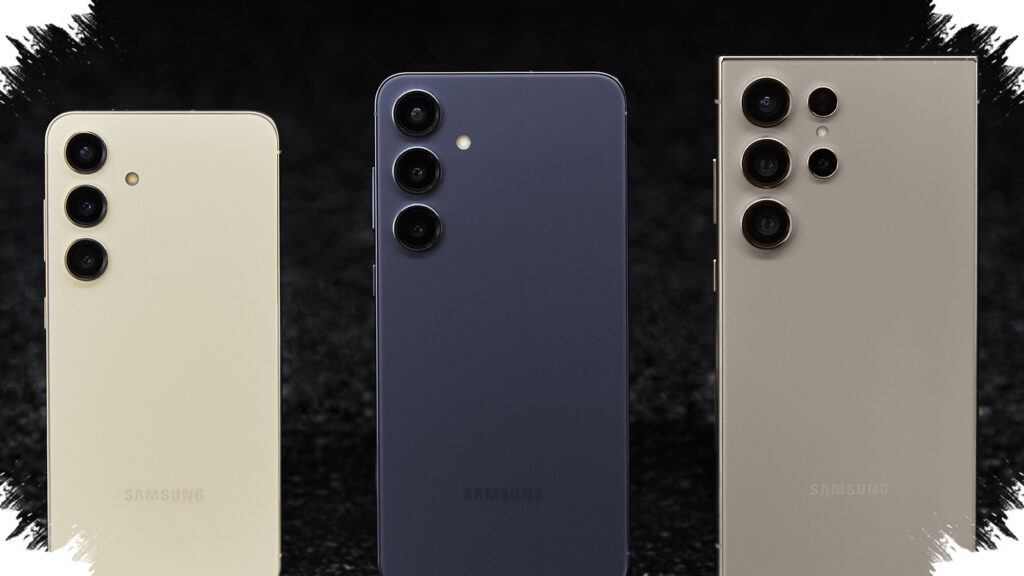
Samsung Galaxy S26 does not try to reinvent the formula that made the Galaxy S25 a strong flagship. Instead, it focuses on refining the core experience with faster performance, slightly better endurance, and a more polished feel that may matter more in daily use than a dramatic design change.
For buyers comparing the two, the key question is not whether the Galaxy S26 is better. It is whether those improvements are significant enough to justify paying more when the Galaxy S25 already delivers a balanced premium package.
A Familiar Design, With Small Refinements
Samsung keeps the Galaxy S26 close to the design language of the Galaxy S25. Both phones use a clean, premium look with Armor Aluminum construction and Gorilla Glass Victus 2 protection, so neither model feels like a major visual departure.
The difference comes from the details. The Galaxy S26 is said to have slightly improved finishing and better body symmetry, which can make it feel a bit more refined in the hand. That may not sound dramatic on paper, but small ergonomic tweaks often influence the experience more than a fresh color or a minor camera bump.
Display: Same Strength, Slightly Bigger Canvas
The two phones share a lot in common on the display front. Both use AMOLED panels with a 120Hz refresh rate and peak brightness rated up to 2,600 nits, which should keep them highly usable outdoors and smooth for scrolling, gaming, and video playback.
Where the Galaxy S26 moves ahead is size. A slightly larger screen gives it a more immersive feel for streaming and multitasking, even if the core visual quality remains largely unchanged. Colors, sharpness, and contrast stay in flagship territory, so this is more of an incremental upgrade than a breakthrough.
Performance Is the Main Reason to Upgrade
The biggest leap comes from the chipset. Samsung equips the Galaxy S26 with next-generation silicon, either the Snapdragon 8 Elite Gen 5 or Exynos 2600 depending on the region, and that should translate into a noticeable jump over the Galaxy S25’s platform.
In daily use, that means faster app loading, smoother switching between tasks, and better sustained gaming performance. For users who push their phones hard, the newer chip should also help with thermal control and efficiency, two areas that can affect long-term comfort and battery life.
Battery Gains Are Modest but Meaningful
Battery capacity also moves upward. The Galaxy S26 is expected to carry a 4,300mAh battery, compared with 4,000mAh on the Galaxy S25.
The charging speed reportedly stays the same, but the efficiency gains from the newer chipset should help the Galaxy S26 last longer in real-world use. Wireless charging and reverse wireless charging remain part of the package, so Samsung keeps the flagship conveniences intact.
Camera Hardware Stays the Same, Software Does the Work
Samsung does not appear to be changing the main camera hardware in a major way. The Galaxy S26 is still expected to use a 50MP main camera, a 3x telephoto lens, and an ultrawide camera, which means the upgrade path is not about new sensors.
Instead, Samsung is leaning on processing improvements. New software features such as Horizon Lock should improve video stability, while refined image processing aims to deliver more consistent dynamic range and color reproduction. The 12MP front camera also remains, but image tuning may improve skin tones and general selfie consistency.
Galaxy S26 vs Galaxy S25 at a Glance
| Feature | Galaxy S25 | Galaxy S26 |
|---|---|---|
| Design | Premium, minimal | Same design language, more refined finish |
| Display | AMOLED, 120Hz, up to 2,600 nits | AMOLED, 120Hz, up to 2,600 nits, slightly larger |
| Chipset | Previous-generation flagship chip | Snapdragon 8 Elite Gen 5 or Exynos 2600 |
| Battery | 4,000mAh | 4,300mAh |
| Camera hardware | 50MP main, 3x telephoto, ultrawide | Same hardware, better software processing |
| Charging | Wired and wireless support | Same charging features |
| Software support | Current-generation Android/One UI | Android 16 and newer One UI layer |
Is the Upgrade Worth It?
For users who already own a Galaxy S25, the answer depends on priorities. If you care most about speed, battery margin, and longer software support, the Galaxy S26 makes a solid case as a more future-ready device.
If your current phone already feels fast and your camera needs are modest, the Galaxy S25 remains a practical buy. It still offers the same premium design, a strong display, and the core Galaxy experience at a likely lower price, which may deliver better value for most buyers.
The Galaxy S26 is best seen as a smart evolution rather than a bold reinvention. It strengthens performance, improves efficiency, and keeps Samsung’s flagship formula steady, which makes it appealing to power users and long-term upgraders, while the Galaxy S25 still stands out as the more rational choice for shoppers who want premium features without paying extra for refinements that are real, but not dramatic.