


Buying a used electric motorbike can save money, but the real value depends on the condition of two expensive parts: the battery and the electric motor, often called the dinamo. If either component is weak, the lower upfront price can quickly turn into costly repairs and reduced daily usability.
That is why a careful inspection matters before you agree to a deal. A used electric bike may look clean outside, yet still hide battery wear, motor noise, wiring issues, or controller problems that only appear after a short test ride.
Why the battery deserves the first check
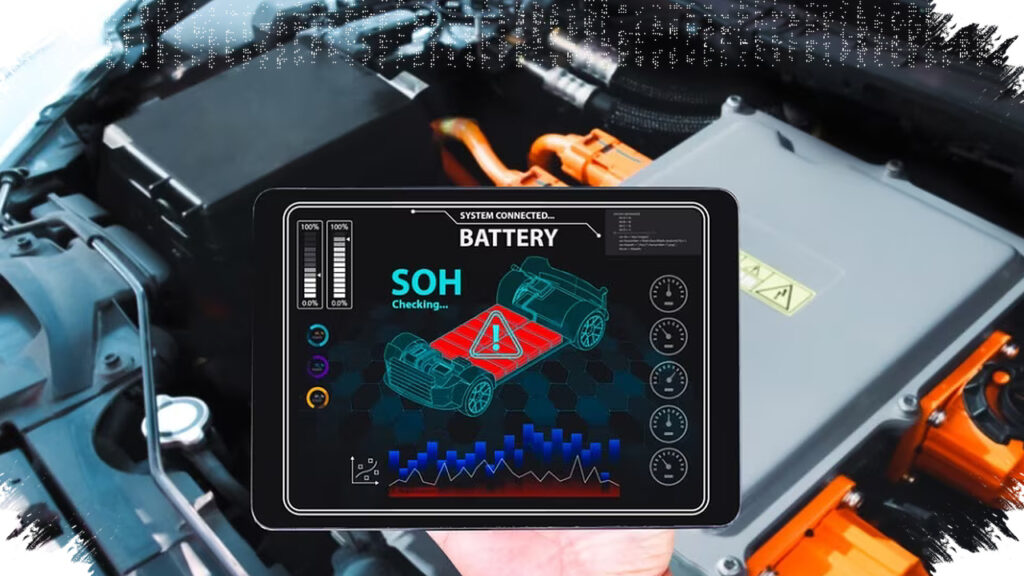
The battery is the most important and usually the most expensive component in an electric motorbike. Industry guidance referenced in the source material notes that battery capacity naturally declines with age and the number of charging cycles, which directly affects range.
A healthy battery should still deliver a distance close to its original specification. If the bike charges quickly but drops power fast during use, that is a common sign the battery has lost usable capacity.
Inspect the battery body carefully before anything else. Look for swelling, cracks, leaks, heat damage, or signs that the casing has been opened or repaired.
If the seller has maintenance records or a digital battery report, review them. Some newer electric scooters store charging-cycle data, and a high cycle count can indicate deeper wear even if the bike still starts normally.
Simple battery checks before buying
- Ask for the charging history and service records if available.
- Check whether the range still matches the original claim.
- Start with a full charge and test the bike on a normal route.
- Watch whether the battery percentage drops too quickly under light use.
- Inspect the casing for swelling, dents, corrosion, or other physical damage.
A short road test often reveals more than a visual inspection. If the battery level falls sharply after only a small distance, the battery may already be nearing the end of its useful life.
How to evaluate the electric motor or dinamo
The motor is the part that converts electrical power into movement, so any weakness here will affect acceleration, pulling power, and ride comfort. Acoustics also matter, because the source notes that abnormal noises, such as a harsh humming sound, can signal trouble in the motor assembly.
A healthy motor should feel smooth and consistent when you open the throttle. If the bike hesitates, jerks, or responds unevenly, the problem may sit in the motor, controller, or related electrical system.
Pay attention to how the bike behaves on slight inclines and during acceleration. A motor in good condition should keep its power delivery stable instead of feeling weak or delayed.
Motor warning signs that should not be ignored
- Loud or rough humming from the drive unit
- Sudden loss of power during normal acceleration
- Jerky or inconsistent throttle response
- Heat that rises unusually fast around the motor area
- Vibration that was not present in the original ride quality
If any of these symptoms appear, ask for a deeper inspection by a technician before negotiating the price. A small defect in the motor system can become expensive if it affects bearings, controller performance, or wiring connections.
Do not stop at battery and motor alone
A used electric motorbike can still fail even if the battery and dinamo seem acceptable. The source material also stresses the importance of checking the wider electrical system, including cables, connectors, and the controller.
These parts work together, so damage in one area can affect the whole bike. A battery may be healthy on paper, but poor wiring can still cause slow power delivery, unstable performance, or charging problems.
Here is a practical inspection list for the rest of the system:
| Component | What to look for |
|---|---|
| Cables | Cracks, exposed wires, loose connections |
| Controller | Error lights, inconsistent output, overheating |
| Charging port | Rust, burn marks, loose fit |
| Switches and dashboard | Non-functioning indicators or display glitches |
| Brakes and tires | Wear that may add hidden repair costs |
Always ask for a technician’s second opinion
For buyers with limited technical experience, a full check with a qualified technician is the safest option. The source article also notes that many experts recommend an inspection before the transaction is completed, especially because repair costs can erase the savings from buying used.
This step is even more important if the seller cannot clearly explain the bike’s history. A technician can help determine whether the battery still holds proper capacity, whether the motor runs within a normal range, and whether the wiring system shows early signs of failure.
Check the documents as carefully as the machine
A good used electric motorbike should not only run well but also come with complete and legal paperwork. Registration documents, ownership records, and service history help reduce the risk of future disputes.
When the documents are incomplete or unclear, the bike may create problems later even if its mechanical condition looks good today. For that reason, legal verification should move alongside the technical inspection, not after it.
Used electric motorbikes remain attractive because they offer a lower-cost entry into cleaner transport. But a smart purchase depends on patience, a short but serious test ride, and a clear check of battery health, motor sound, electrical integrity, and proper documents before money changes hands.