LG Electronics is betting that Indonesia’s home appliance market will continue to grow along two parallel tracks. One track serves consumers who still prefer simple, durable, and affordable products like twin-tub washing machines and two-door refrigerators, while the other pushes premium categories such as front-loading washers, multi-door fridges, and AI-enabled appliances.
That view reflects how fragmented the market remains. At the annual LG InnoFest in Busan, South Korea, LG signaled that it will keep supporting conventional products in Indonesia while accelerating the rollout of smarter, more advanced devices for households that want efficiency, convenience, and modern features.
A Market That Does Not Move at the Same Speed
LG says consumer demand in Indonesia is still shaped by a wide range of income levels, household needs, and buying preferences. In practical terms, that means premium appliances are not replacing mainstream products as quickly as some global brands might expect.
“Interest in twin-tub washing machines and two-door refrigerators is still there,” said Sunghan Kim, VP HS Asia Sales & Marketing Division Lead at LG Electronics. He added that demand for front-loading washing machines is also rising, along with stronger interest in multi-door and Side-by-Side refrigerators.
This dual behavior shows that Indonesia’s appliance market is expanding, but not in a single direction. Some buyers prioritize low upfront cost and simple operation, while others are willing to pay more for energy efficiency, better design, and digital features.
Why Conventional Products Still Sell
Twin-tub washing machines and two-door refrigerators remain relevant because they solve basic household needs without adding complexity. Their prices are usually easier to reach, and their operation is familiar to many users across urban and non-urban areas.
Serviceability also matters. Products with straightforward mechanics are often seen as easier to maintain, and that can be a decisive factor for families that want dependable appliances with fewer surprises over time.
- Lower purchase price than premium categories.
- Simple use for a broad range of consumers.
- Easier maintenance and repair in many markets.
- Suitable for essential daily household tasks.
In many Indonesian households, those factors remain more important than advanced features. That is why conventional models still hold a stable position even as the market becomes more technology-driven.
LG’s Two-Lane Strategy in Indonesia
LG’s response is not to choose between old and new, but to serve both at once. The company is maintaining its conventional lineup while expanding categories that match the rising demand for upgraded appliances in cities and middle-income households.
That approach makes business sense in a market where consumer sophistication is increasing, but unevenly. Large urban centers may move faster toward premium appliances, while other regions still depend on practical, cost-conscious choices that deliver basic function and value.
“LG is committed to delivering better solutions that not only meet evolving needs, but also contribute to improving consumers’ quality of life,” Sunghan Kim said. The statement suggests a strategy built around balance, not rapid replacement of existing categories.
What LG Showed at InnoFest
At InnoFest, LG highlighted products from its Home Appliance Solution, Media Entertainment Solution, Eco Solution, and LG AI Home concepts. The company said these devices are designed for Asia, with AI integration intended to make them more intuitive and personalized.
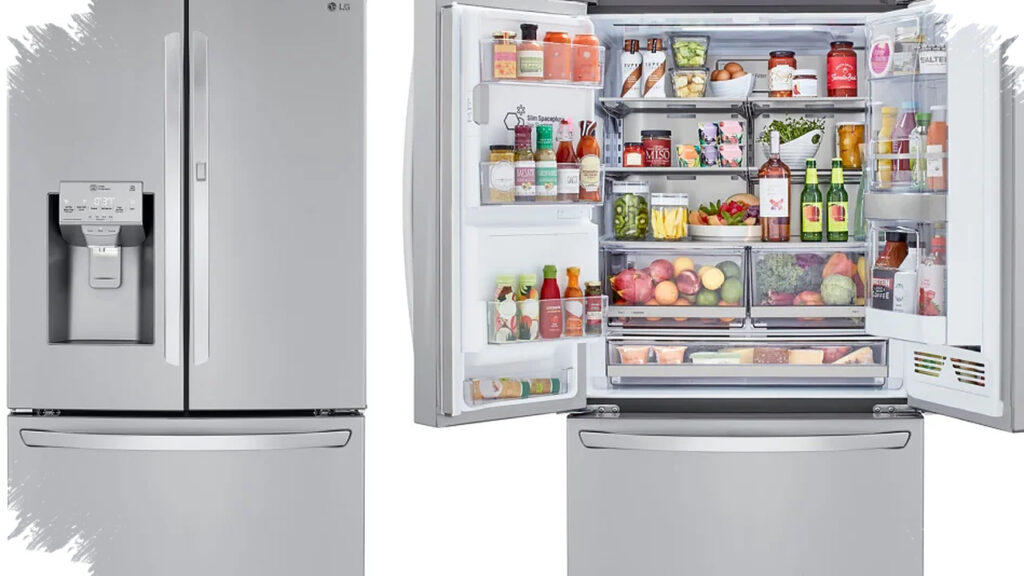
In refrigeration, LG introduced its Fit & Max design with zero clearance hinges to save space. The lineup also includes Craft Ice, Mini Craft Ice, UVnano, AI Fresh, and AI Saving Mode, which are aimed at food preservation and energy efficiency.
For laundry, LG presented WashTower with a 6.8-inch touch display and a centralized control panel. It also brought AI DD, AI Wash 2.0, AI Dry, and DUAL Inverter HeatPump technologies, all designed to make washing and drying faster and more efficient.
LG also introduced an all-in-one washer dryer and environmentally focused features such as R290 refrigerant and Microplastic Care. These additions show that sustainability is becoming part of the company’s product story, alongside comfort and automation.
What This Means for Indonesia’s Appliance Market
LG’s approach highlights a broader truth about Indonesia’s consumer market: growth is happening in layers. Affordable appliances still matter for volume, while smarter products create value at the higher end of the market.
That is why twin-tub washing machines and two-door refrigerators are still likely to remain visible in stores and catalogs, even as AI-powered appliances expand their share. The real opportunity for LG lies in serving both ends of the market without losing focus on either one.
As consumer choices continue to split between practicality and innovation, Indonesia will remain an important test market for brands that want to sell both dependable basics and connected home appliances in the same country.