


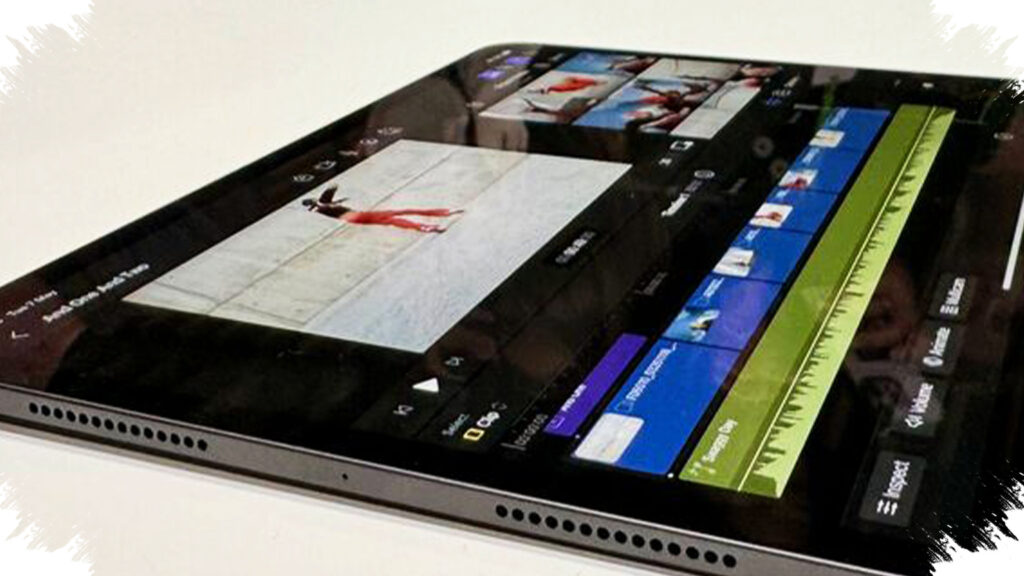
The 2026 tablet market has changed the way many creators edit video on the move. What used to be a laptop-only job is now possible on powerful WiFi tablets that can handle 4K timelines, faster rendering, and multitasking with less bulk.
This shift matters because mobile editors want lighter devices without giving up serious performance. Recent market trends show that flagship tablet chips, 2K to 3K displays, and larger RAM configurations have made tablets a practical alternative for creators, freelance editors, remote workers, and design-focused students.
Why WiFi Tablets Are Replacing Some Laptops
Tablet performance has improved fast enough to support professional creative apps. Reports from the 2026 market note that recent Android tablets and iPads can now run workflows in DaVinci Resolve and Final Cut more steadily than before.
That change is important for users who edit frequently while traveling or working in tight spaces. A tablet usually gives them a better balance of portability, touch input, stylus support, and battery life than a conventional laptop.
What Makes a Tablet Good for 4K Video Editing
Not every tablet can replace a laptop for editing. The best models need strong chipsets, enough RAM, a fast display, and thermal stability during long export sessions.
Here are the key features to prioritize:
- Flagship-class chipset for smooth playback and faster rendering
- At least 8GB RAM, with 12GB or more preferred
- High-resolution screen, ideally 2K to 3K
- High refresh rate for timeline accuracy
- Large battery for longer editing sessions
- WiFi-only models if you do not need cellular connectivity
7 Affordable and Powerful WiFi Tablets for 4K Editing in 2026
| Tablet | Main Strength | Approx. Price |
|---|---|---|
| Apple iPad Pro M4 / M5 WiFi | Best for professional editing stability | from $900 |
| Samsung Galaxy Tab S10 / S11 WiFi | Excellent OLED display and multitasking | from $360 |
| Xiaomi Pad 6S Pro 12.4 | Strong value with 3K 144Hz display | from $120 to $180 |
| OnePlus Pad 3 | Large screen and 12GB RAM | from $420 |
| Huawei MatePad Pro 13.2 | OLED panel for color-sensitive work | from $480 |
| Lenovo Tab P12 / Duet Series | Good for hybrid work and light editing | from $240 to $300 |
| Redmi Pad 2 Pro | Large battery and affordable entry point | from $180 |
Apple’s iPad Pro with M4 or M5 remains the premium choice for serious creators. It offers up to 16GB RAM, a Liquid Retina XDR display, and a chip platform that is widely used for professional video work.
Samsung’s Galaxy Tab S10 and S11 series also stand out because they combine AMOLED 120Hz panels with 8GB to 12GB RAM. That makes them a strong fit for multitasking, color work, and heavier edit sessions.
Best Budget-Friendly Options for New Creators
The biggest surprise in 2026 is how far lower-priced tablets have come. Xiaomi Pad 6S Pro 12.4 is one of the strongest value options because it pairs a 3K 144Hz display with flagship-level Snapdragon performance at a much lower entry cost.
Redmi Pad 2 Pro also deserves attention for light to moderate editing. Its 2.5K screen and 12,000mAh battery make it useful for creators who need long runtime and reliable everyday performance without paying premium prices.
Lenovo’s Tab P12 and Duet series fit hybrid workers better than hardcore video editors. They are practical for document work, lighter video projects, and mobile productivity, but they are not the first choice for sustained 4K color grading.
Who Should Buy a Tablet Instead of a Laptop
The strongest demand comes from creators who work across social platforms and do not need a full desktop-style setup. These tablets are especially relevant for:
- YouTube and TikTok creators
- Reels and short-form video editors
- Freelance video editors
- Creative students and remote workers
- Mobile graphic designers
For these users, a tablet can speed up the workflow while reducing the burden of carrying a laptop. It also helps them work faster in places where a full computer setup is inconvenient.
When a Laptop Is Still the Better Choice
Tablet editing is now powerful, but it still has limits. Heavy color grading, complex multi-layer effects, and long professional export jobs can still favor a laptop or desktop workstation.
That is why the choice should follow the workflow, not the trend. If a creator mostly edits social content, trims 4K clips, or works on fast turnaround projects, a high-end WiFi tablet can already replace a laptop in many cases.
The 2026 Editing Market Is More Flexible Than Ever
The current market shows a clear divide between premium and budget-friendly tablet choices, but both segments are stronger than they were a few years ago. High-end models like the iPad Pro and Galaxy Tab S-series target full-time professionals, while Xiaomi, Redmi, Lenovo, and OnePlus offer practical entry points for semi-pro users.
That broad range makes 4K editing more accessible than before, especially for creators who want speed, portability, and lower upfront costs in a single device.