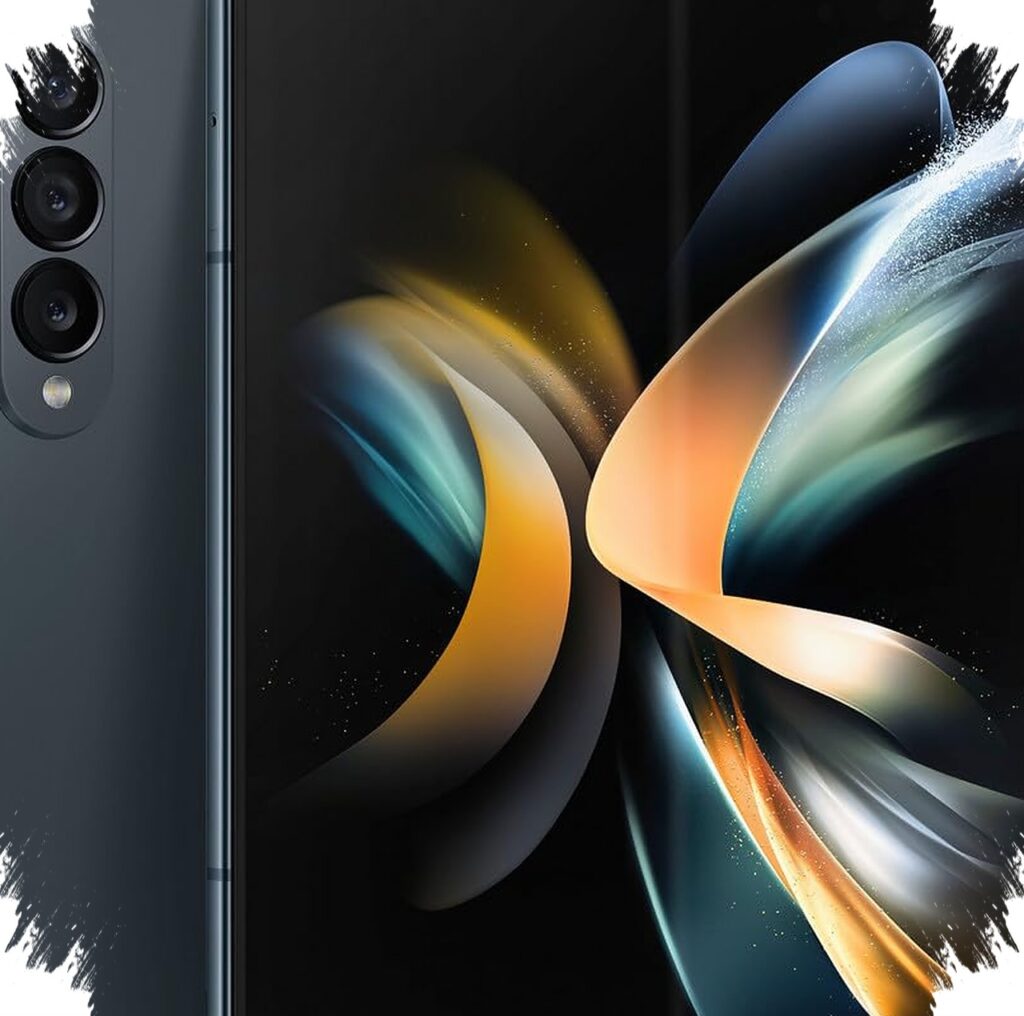
Samsung is reportedly preparing a new foldable phone with a display ratio that could make it stand out from the rest of the market. The device, currently rumored to be called the Samsung Galaxy Z Wide Fold, is said to use a 4:3 main screen format, a shape that feels closer to a tablet than to a typical foldable smartphone.
The information comes from leaked details tied to One UI 9 firmware, where a device coded SM-F971B appeared as a possible new foldable model. If the report is accurate, Samsung may be testing a wider design that could compete not only with other Android foldables but also with the idea of an iPad-like or even iPhone-like folding device.
A Wider Foldable Experience
The most important change in this rumored model is the 4:3 aspect ratio. That format is noticeably wider than the near-square layouts used by many foldables today, including the Oppo Find N3, which uses a 10:9 ratio.
A 4:3 screen is familiar to many users because it closely matches Apple’s iPad display style. That matters because tablet-shaped screens often feel more natural for reading, web browsing, split-screen use, and watching content without wasting too much space.
For Samsung, this could be more than just a design experiment. It could signal a move toward a more productivity-focused foldable that bridges the gap between a phone and a compact tablet.
Why Samsung May Be Changing the Formula
Samsung has already built a strong position in foldables through the Galaxy Z Fold series, which is now in its seventh generation. But the foldable market is changing, and manufacturers are looking for new ways to improve usability rather than just making devices thinner or lighter.
A wider internal display could solve one of the most common complaints about book-style foldables: the cover screen and inner screen often feel too narrow or too tall for certain tasks. By moving to a 4:3 layout, Samsung may be trying to make the unfolded experience feel more balanced and more useful for everyday work.
This approach also allows Samsung to test a fresh idea without disrupting its main flagship foldable line. In other words, the Wide Fold could act as a separate design path while the standard Galaxy Z Fold family continues to evolve on its own timeline.
What the Leaks Suggest About the Hardware
According to the reference report, Samsung is also expected to reduce the visibility of the screen crease. That remains one of the biggest engineering challenges in foldable phones, and users often notice it most on bright backgrounds or when scrolling through light content.
A less visible crease would improve the premium feel of the device and help Samsung compete more strongly with rivals that are also improving folding-panel durability and display quality. At the very least, it would show that Samsung is still pushing hard on the core problems that define this category.
The software side could be just as important. The device is rumored to launch with Android 17 and One UI 9, which would make sense for a next-generation foldable built around a larger internal display. A modern software stack could help Samsung optimize multitasking, app scaling, and window management for the new format.
How It Could Compare With Apple’s Foldable Direction
The 4:3 rumor is drawing attention partly because it overlaps with the design language of tablets like the iPad. That comparison makes the device interesting not only as a Samsung product but also as a possible preview of where the broader foldable market could go.
There have also been signs that Apple is exploring foldable concepts with similar proportions, which raises the possibility of a future convergence between phone and tablet design. If that happens, Samsung could already have an answer ready in the market before Apple officially enters the category.
For consumers, that means the competition may shift from simple foldability to how well a device can replace both a smartphone and a small tablet in one body. A wider foldable display is one of the clearest ways to move in that direction.
What Users May Gain From a 4:3 Foldable
- Better multitasking with two or more apps open at once
- More comfortable reading and document viewing
- A more natural video and web browsing layout
- A tablet-like experience in a pocketable form
- Potentially better app scaling than ultra-tall foldables
Each of these benefits depends on how Samsung tunes the final software and hardware balance. Still, the rumored shape alone suggests a much more versatile device than a conventional tall-and-narrow foldable.
Samsung has not confirmed the Galaxy Z Wide Fold or the SM-F971B model, and the company has not publicly outlined a 4:3 foldable strategy. Even so, the leak points to a clear direction: Samsung appears ready to explore a wider foldable format that could redefine what users expect from premium mobile devices.