


Apple is reportedly moving faster on its first foldable iPhone, and the biggest clue comes from its display strategy. According to the reference report, the company has signed a three-year exclusive deal with Samsung Display to supply the folding panels.
This move matters because the screen is the most critical part of any foldable phone, and Apple appears to be prioritizing proven manufacturing quality over a multi-supplier approach. The reported design uses a book-style form factor, while early panel orders are said to reach 11 million units, a sign that Apple is preparing for a serious market launch rather than a limited experiment.
Why Apple Chose Samsung Display
Apple has often controlled its hardware roadmap tightly, but foldable devices create new technical demands that not every supplier can meet at scale. Samsung Display is viewed as the safest partner because it already has years of experience in flexible OLED production through the Galaxy Z series, which has been on the market since 2019.
The reported three-year exclusive contract suggests Apple wants consistency in quality, yield, and durability during the first wave of production. That is especially important for a product category where even minor defects can affect folding performance, crease visibility, and long-term reliability.
The Screen Tech Behind the Foldable iPhone
One of the most interesting details in the report is the use of Color Filter on Encapsulation, or CoE. This technology removes the traditional polarizer layer and places the color filter directly on the encapsulation layer, which helps reduce thickness and improve display efficiency.
For a foldable device, this matters because thinner panels are easier to integrate into a hinge-based design. CoE also supports better durability in areas that bend repeatedly, which could help Apple reduce the risk of cracking or stress damage near the fold line.
What the Report Suggests About the Specs
The article points to several early hardware expectations for Apple’s foldable iPhone. These details are not official, but they give a useful picture of the company’s direction.
- Display supplier: Samsung Display
- Supply agreement: 3-year exclusive contract
- Panel technology: Color Filter on Encapsulation (CoE)
- Design type: Book-style foldable
- Initial panel order: Around 11 million units
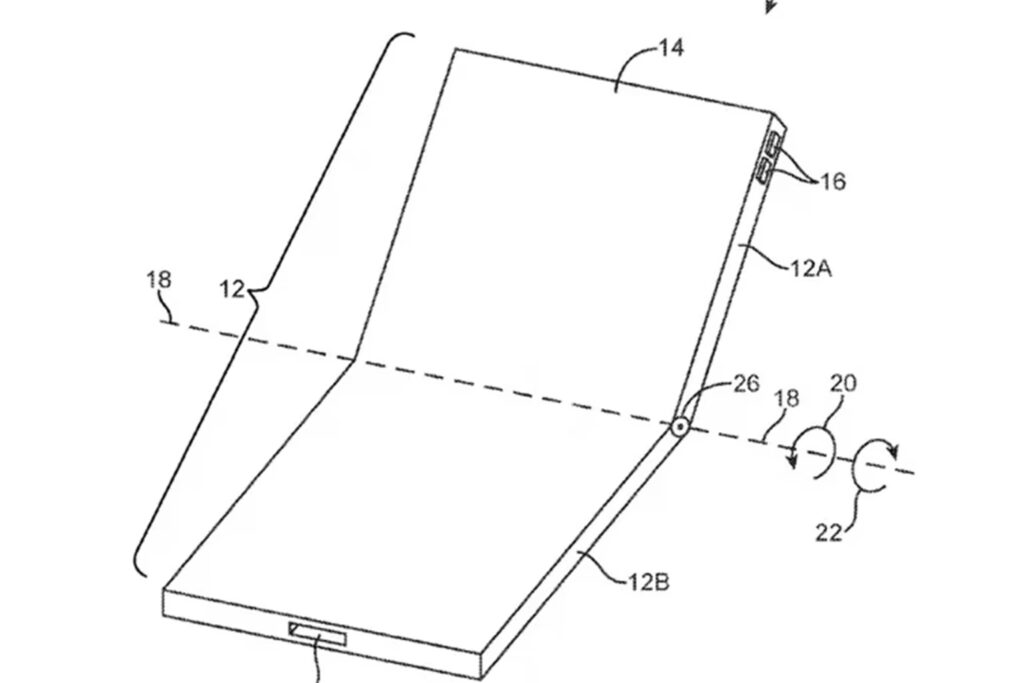
The book-style design is especially notable because it usually opens into a larger inner display, making the device function more like a compact tablet when unfolded. That format has become the preferred shape for premium foldables in the market, mainly because it offers a larger screen without making the phone feel oversized when closed.
Why the 11 Million Panel Order Matters
An initial order of 11 million panels is significant, even by Apple standards. It suggests the company is not only testing the category, but also preparing supply for a sizeable commercial push if the launch goes as planned.
For Apple, that volume can also serve another purpose: it helps secure component availability early and gives the company more leverage over manufacturing timelines. In a category where supply chain delays are common, locking in display capacity years ahead can make the difference between a controlled launch and a constrained one.
How Apple Could Position the Device
Apple usually enters product categories later than competitors, but it often aims to refine the user experience rather than simply copy existing products. That pattern could shape how the foldable iPhone is marketed, especially if Apple combines Samsung’s panel expertise with its own software optimization.
Possible strengths of the device may include smoother multitasking, stronger app scaling, and tighter integration with iOS features designed for flexible screens. Apple will likely focus on reliability and premium build quality, because those two factors matter more than raw novelty in the high-end smartphone segment.
What Consumers Will Watch Closely
Even with strong display technology, the biggest questions remain the same for every foldable phone. Buyers will likely pay attention to durability, crease depth, battery life, hinge quality, and whether the internal screen can survive daily long-term use.
Apple also faces a pricing challenge, because foldable phones usually sit in the premium tier and often cost well above standard flagships. If the company wants the device to succeed beyond early adopters, it will need to convince buyers that the foldable iPhone offers clear advantages over both traditional iPhones and existing foldable rivals.
The reported Samsung Display partnership, CoE panel technology, and 11 million-unit order all point to one clear signal: Apple is treating its first foldable iPhone as a major strategic product, not a side project. If these early specifications hold, the device could become one of the most watched launches in the premium smartphone market.