Microsoft’s latest Surface price hikes have changed the conversation around its premium laptops and tablets. The biggest jump now puts the cheapest Surface model up by as much as $250, while some higher-tier configurations have risen by as much as $500.
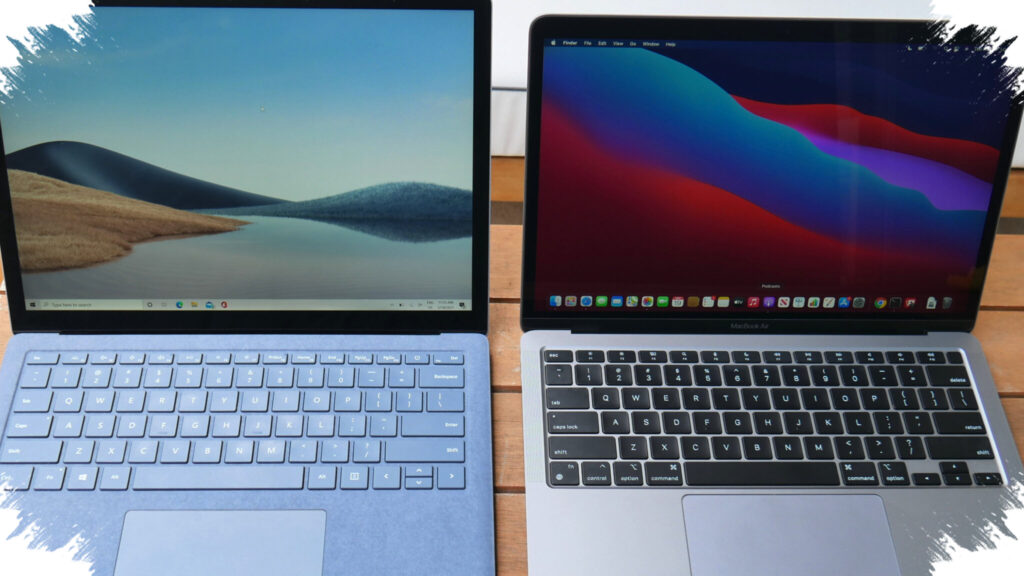
That shift matters because it arrives at a time when many buyers are comparing Surface directly with the MacBook Air, which now feels much more reasonable in price and value. For shoppers asking whether Surface is still worth buying, the answer depends far more on use case than on brand loyalty.
Surface prices have moved sharply upward
Microsoft has raised prices across several key Surface Pro and Surface Laptop configurations. The most striking change is the Surface Pro 12-inch with 16GB of RAM and 256GB of storage, which moved from $799 to $1,049.
The Surface Laptop line saw similar pressure, especially in the lower and midrange tiers. A 13-inch Surface Laptop with 16GB RAM and 256GB SSD rose from $899 to $1,199, while the 13.8-inch model with 16GB RAM and 512GB SSD also climbed from $1,199 to $1,499.
A simple breakdown shows how much the market has shifted:
| Device | Previous Price | New Price |
|---|---|---|
| Surface Pro 12-inch, 16GB/256GB | $799 | $1,049 |
| Surface Pro 13-inch, 16GB/512GB | $1,199 | $1,499 |
| Surface Laptop 13-inch, 16GB/256GB | $899 | $1,199 |
| Surface Laptop 13.8-inch, 16GB/512GB | $1,199 | $1,499 |
| Surface Laptop 15-inch, 16GB/256GB | $1,499 | $1,599 |
The biggest price shock hits entry and midrange buyers. Even the 15-inch Surface Laptop, which saw a smaller increase, now sits closer to rival premium laptops than before.
Why the price increase is happening
Industry pressure is playing a major role here. The reference material points to rising memory and DRAM costs as one of the key forces behind the adjustment, and Microsoft is not alone in reacting to that trend.
Memory remains one of the most important components in modern laptops, especially in thin premium models that rely on efficient, integrated designs. When input costs rise, manufacturers often pass part of the burden to consumers to protect margins.
That explanation may make sense from a supply-chain perspective, but buyers usually judge value in a different way. Most shoppers compare final price against battery life, performance, portability, and long-term usefulness.
What Surface still does well
Surface still has a clear identity in the premium Windows market. The Surface Pro remains one of the best-known 2-in-1 devices, with a kickstand, compact design, and tablet-first flexibility that standard laptops cannot easily match.
For professionals who need a Windows device that can also behave like a portable tablet, the Surface Pro still has practical appeal. Note-taking with a stylus, on-the-go presentations, and hybrid work setups remain strong use cases.
The Surface Laptop line continues to offer a clean design, solid build quality, and a polished Windows experience. For users who want a premium laptop without a bulky chassis, it remains easy to understand why Surface still attracts attention.
Where Surface loses ground
The problem is less about design and more about value. Once prices move above the $1,000 range, the Surface Pro and Surface Laptop enter a segment where buyers have many strong alternatives.
That is where the MacBook Air becomes harder to ignore. Apple’s thin-and-light laptops are widely seen as strong performers in battery efficiency, speed, and resale value, which makes their pricing feel more rational next to a more expensive Surface.
At $1,049, the Surface Pro 12-inch no longer looks like a relatively accessible premium device. The Surface Laptop 13-inch at $1,199 also lands in a crowded bracket where many buyers will expect stronger specs or longer battery life for the money.
When a Surface device still makes sense
Surface is not automatically a bad purchase after these increases. It is simply a much more specific buy than before, especially for people who need features that are tied closely to the Surface idea.
- Users need native Windows for work software.
- Users want a 2-in-1 device with built-in tablet flexibility.
- Users prefer the Surface design and are willing to pay for it.
- Buyers can find a strong retail discount close to older pricing.
If those conditions are not true, the value argument weakens quickly. At the new prices, many shoppers will find that competing laptops offer a better balance between cost and everyday performance.
Is Microsoft fully to blame?
Not entirely. The broader PC market is still dealing with memory-related cost pressure, and several manufacturers have already adjusted pricing in response.
So the issue is partly structural rather than brand-specific. But from a buyer’s perspective, market pressure does not change the fact that the final price now feels less attractive than before.
That is why the Surface line still has a place, but a narrower one. It remains relevant for users with specific Windows and 2-in-1 needs, yet the bigger price jump has made the MacBook Air look like the more sensible default choice for many premium laptop buyers.